Hace un par de años que no escribo y este video resume las razones. Las compus y el mar no se llevan muy bien. Es deficil sentarse frente a una pantalla cuando la naturaleza tiene tanto que mostrar.
sailing
Before naming your boat, ask yourself these 5 questions
It’s not easy to name a boat. Much thought goes into it, akin to naming a child. In this scene of The Simpsons, you can get an idea of the process, but I have yet to come across a similar source of inspiration for naming a boat and so, can only share my thought process with you.
Superstition and tradition aside, one should consider the following five questions:
- Where will you be sailing?
If you don’t plan on going abroad you can almost chose any word in your dictionary, country map or yellow pages, provided you consider the questions below. However, if your intention is to sail beyond your maritime boundaries, be considerate of differences in languages, accents and possibly offensive or ridiculous names. A fail that comes to mind is Mamada, which in Mexico refers to oral sex or an absurd statement. This vessel was recently anchored in Labuan Bajo, Indonesia, so not at risk of being bullied by Mexicans for the time being.
2. Is it easy to understand when pronounced on the radio?
VHF radio is still the primary means of communication at sea. It is used between vessels in proximity of each other, by the harbour master, navy, coast guard and other authorities, by marinas and even ship chandlers and shore-side restaurants. Anyone who has ever used a walkie-talkie (which, by the way, the French, who don’t like to corrupt their language with anglicisms, refer to as talkie-walkie) or simply seen a movie or show where police communicate with radios, knows that the clarity of speech is highly degraded.
For VHF to be audible, it is necessary for the antennas of the transmitter and receiver to be in sight of one another. As such, vessels place them atop of their masts and coast guard stations, on hills or buildings. Distance, quality, age and power (watts) of the radio will play an important role on clarity. Therefore, avoid choosing a name which is only audible in your own language or is comprised of numerous words. You will lose valuable time and possibly the receiver’s patience if you have to pronounce your vessel’s name several times before he or she finally gets it.
In the Sea of Cortez, I came across a yacht called Taw & Torridge. Aside from being a name more appropriate for a law firm, imagine a non-Brit trying to understand this over the VHF. The owner of this yacht is a really nice guy and I mean no disrespect by using this name as an example.
3. How long does it take to spell it out?
Though VHF is pretty easy to use, the frequencies available for communication are limited and it is important that users avoid having long conversations over the radio, in particular over channel 16, which is the international emergency and maritime safety frequency. Long and complicated names not only add unnecessarily to the duration of a broadcast, but also pose a safety risk when they involve a vessel in distress. A receiver can request that a word not understood be spelled out using the phonetic alphabet. If you are not familiar with this alphabet or do not have it glued to your chart desk, it may be a while before you find it or you might end up inventing alternatives and having to spell those out too. But having a complicated name also has the potential to put those trying to assist you in a predicament. Imagine a scenario where your boat is taking water 100 nautical miles offshore and your only means of reaching the coast guard is by having one, two or three vessels relay your message to them. In such an instance, your creative impulses are now imposing the burden of mastering the phonetic alphabet onto others.
One of the coolest, cleverest names I’ve come across is Tequila Mockingbird, but I would hesitate giving my boat this name for the following reasons: Aside from combining two words, it uses all the vowels and eleven consonants. Phonetically, this is what it translates to:
Tango, Echo, Quebec, Uniform, India, Lima, Alfa, Mike, Oscar, Charlie, Kilo, India, November, Golf, Bravo, India, Romeo, Delta.
And you still haven’t gotten to stating the nature of your emergency, described your vessel or whether you intend to abandon ship or not.
4. Is the name very common?
There are names that keep popping up, whether in the Pacific, Atlantic, Mediterranean or elsewhere: Freedom, Destiny, Serenity, Carpe Diem, Compass Rose, Second Wind, etc. If you’ve been to more than one marina, you know which ones they are. It seems that in an effort to abide by the previous recommendations, imagination has been annihilated. There are two immediate risks associated with this apathy. The first is that in a distress situation, if a call sign, MMSI number or registration number, flag and/or description of the vessel has not been duly noted, authorities who only have a name to go by may end up looking for a vessel that is quite distinct to yours.
The second risk is that vessels have a tendency to accumulate debts in the ports and marinas they visit, either with port officials, crew, fuel suppliers, yard workers, etc. These debts follow the boat and not necessarily the owner. In legalese, we call them liens, and anyone considering to have a valid claim may ask a judge to issue an order for the arrest of such a ship on entering the harbour. With a common name, it may be just a matter of time before you get mixed up in something completely unrelated to you. While you may deem yourself honorable and innocent, depending on where you are, it could take plenty of time and money (legal fees, bribes, etc.) before you are allowed to continue on your marry way.
5. Does the name mean anything to you?
Can you imagine Pink Floyd as Screaming Abdabs, Depeche Mode as Composition of Sound, Led Zeppelin as The New Yardbirds or Nirvana as Fecal Matter? Like rock bands, you will probably be asked more than a couple of times where the name of the boat comes from or what it means, so it would be wise to have an idea, even if not an eloquent answer. As in their case, you are certainly entitled to repent and change the name, but this may entail both paper and paint work, money, or simply be so cumbersome that you abandon the idea altogether.
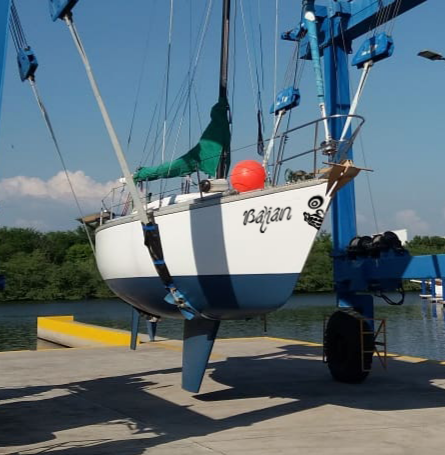
I decided to name my first boat Balian, after a quiet, friendly beach in Bali where I spent a month assimilating the death of my best friend, Alejandro Furlong, a.k.a. Sacha Mandinga, who died of a brain tumor just two weeks after catching his last wave in Lombok. In Balinese, Balian also refers to a healer or shaman.
An underwater intro to Nosy Be, Madagascar
El Día Internacional de la Paz en el Polo Norte
Hoy, mientras en Manhattan resonaba la Campana de la Paz, la tripulación del velero Infinity atracaba en el extremo Polo Norte para plantar una bandera a nombre de nuestro planeta y de la humanidad. Para ellos, como para millones más, había llegado la hora de dejar nacionalismos, corporativismos e individualismos para invitar a hacer un frente humano común a favor de la protección y conservación del Planeta Tierra.
Una tripulación compuesta de héroes de todos los continentes tuvo que navegar lejos, muy lejos y en condiciones extremas para cumplir su misión, pues año con año la capa de hielo firme retrocede a pasos agigantados como resultado del cambio climático.
Tuve la fortuna de conocer a su Capitán, Clemens, y a casi toda la tripulación en Dutch Harbor, mientras nosotros nos preparábamos para cruzar el Mar de Bering rumbo Kamchatka. Son de todas las edades, formaciones y orígenes. No viajan patrocinados ni son millonarios. Son personas ordinarias dentro de su extraordinariedad que se embarcaron en la expedición del Infinity porque creyeron que merecía la pena despegarse unos meses de sus familias, carreras, trabajos y hábitos para enfatizar la llegada del momento de unirnos y frenar la destrucción del medio ambiente, de nuestra salud, y de nuestra especie en este Día Internacional de la Paz.


En este día, la Asamblea General de la ONU rindió tributo a Kofi Annan, por haber dedicado su vida al servicio de la humanidad, y celebró el 70 aniversario de la Declaración de los Derechos Humanos. Los tripulantes del S/Y «Infinity», con el mismo espíritu del diplomático ghanés, plantaron un tótem labrado en Vanuatu, archipiélago del Océano Pacífico amenazado con quedar sumergido por la subida del nivel del mar -que también está provocando el cambio climático.
La misión del «Infinity» es el primer acto de la iniciativa EarthToday, un movimiento que pronto será plasmado en una plataforma digital cuyo objetivo es conectar a personas de todo el mundo, con visiones y conocimientos diversos. Será así una nueva red social que en lugar de promover el consumo buscará impulsar el intercambio de ideas y apoyo mutuo para darle un giro al camino autodestructivo que hemos venido siguiendo.
Esperemos que los acontecimientos del día no se queden en celebraciones y nos unamos más allá de las ridículas fronteras geopolíticas que nos separan, por el futuro de la humanidad, que el planeta aquí se queda, quizás ya no como Planeta Tierra, como dice George Carlin, sino «Tierra y Plástico».
Down the corporate ladder and up the yard ladder
Three years ago I was on the beautiful island of Rote, Indonesia, with my mate Furlong, a.k.a. Sasha Mandinga, discussing with some Aussie surfers the feasibility of flying to Australia to learn how to sail and get jobs as deckhands. We had been enjoying touring across Indonesia on our motorbikes but realized that such an archipelago could only really be conquered by boat (if at all possible, considering its 17,000 or so islands).
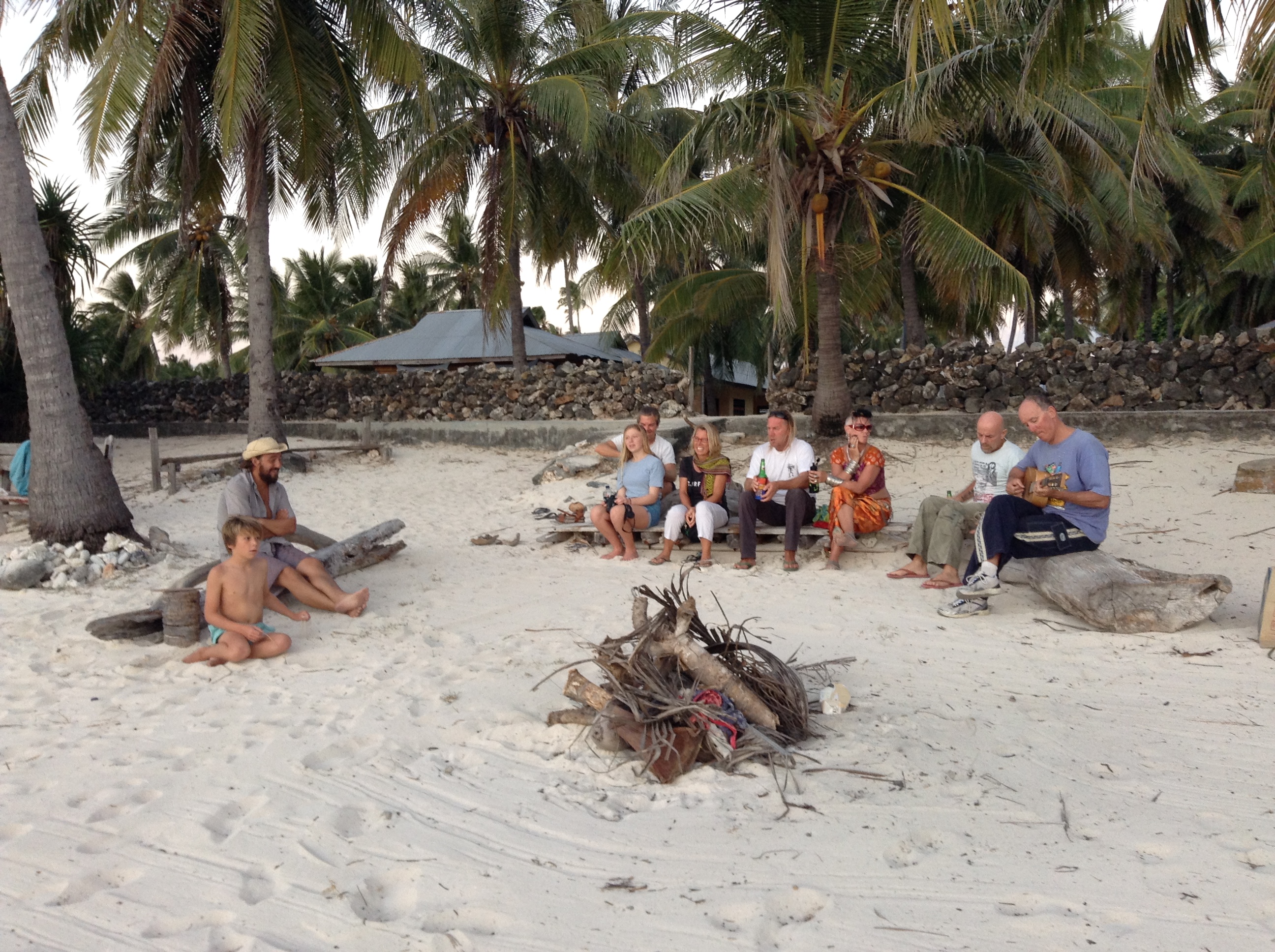
Not long thereafter, Furlong died and I was left to decide whether I should go back to the office life I had known for almost ten years and found unfulfilling or actually try to learn to sail and pursue the idea of cruising. Clarity (and courage) came during a Vipassana meditation retreat in Bali and, determined, I quickly found an opportunity to enslave myself at a sailing school in Phuket, Thailand. During my first year there I worked in exchange for experience and qualifications, became a yachting instructor and participated in a couple of regattas.
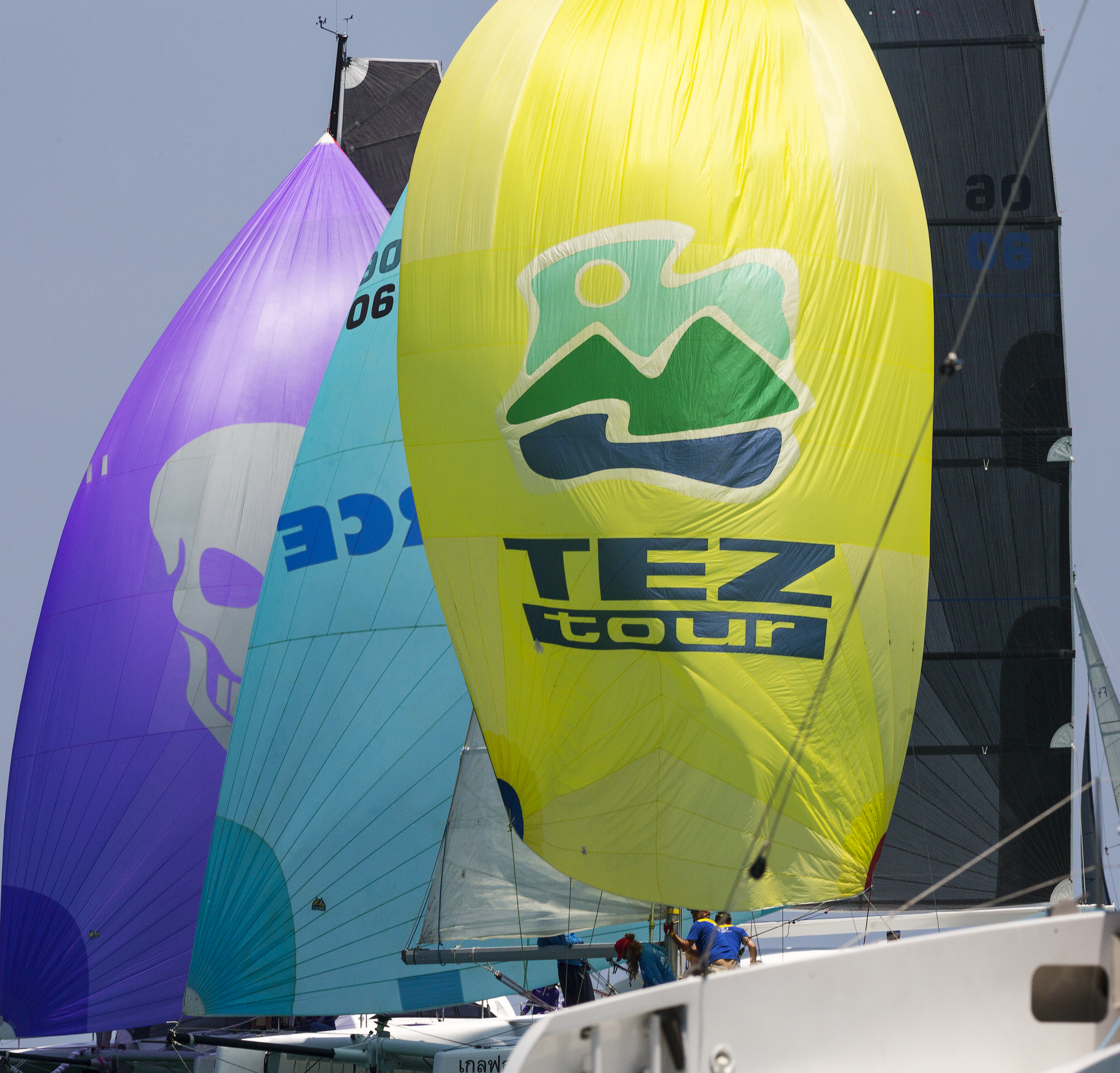
Tight rounding of the leward mark. Our team is flying the yellow spinnaker. Photo taken from SEA Yachting Magazine
Life in Phuket was awesome and the sailing, great, so I decided to stick around for another year, this time paid just enough to cover my rent, some beers and Thai lessons. Within that second year I was invited to help Captain Norm take his 49ft Bruce Roberts across the Indian Ocean, an experience that only confirmed I had been right in staying away from the suits and ties, for, as Yann Martel’s Piscine Molitor so rightly puts it, «I [had] nothing to say of my working life, except that a tie is a noose, and inverted though it is, it will hang a man nonetheless if he’s not careful.»
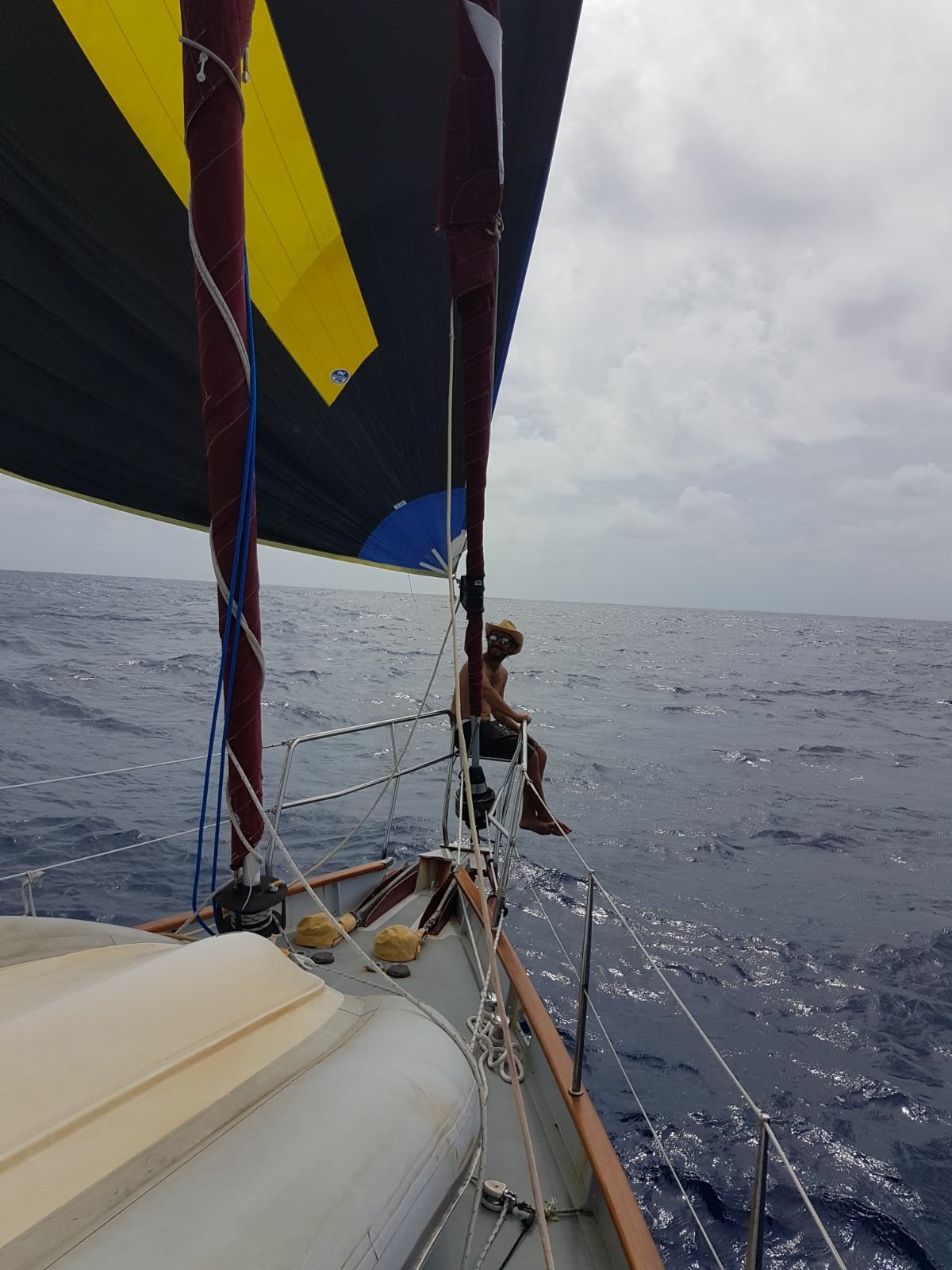
As I was reaching the end of my second year in Thailand I felt I was living the life of a retired expat, lacking in mental and physical challenges, spending too much time and money at the Ship Inn, the local pub, and decided to look for another crewing opportunity, hoping for a paid one. This time, Captain Craig distracted my search with a crazy proposal: to sail east from Sand Point, Alaska, along the Aleutian chain, in freezing temperatures and against the prevailing winds, to Russia’s westernmost frontier, Kamchatka, and then south following the Kurils, to Hokkaido, Japan.
I had already seen his plan on a crewing website and didn’t even consider it. There was a Hallberg Rassy making its way to Phuket which would then head to Sri Lanka, the Maldives, Chagos and around the Cape of Good Hope. It was not a paid gig, but the fact that I had all the appropriate clothing (shorts and flipflops) and that a 15-minute ride to the marina would lead me half way around the world had an enormous appeal. For the Bering Sea, on the other hand, I would be subject to constant shit weather, have to spend heaps on gear and flights and go through the hassle of applying for a Russian visa. Had it not been for Craig’s email, I’d be snorkeling in some tropical paradise right now.
But Craig planted a seed. He mentioned he was looking for someone who spoke Russian and was keen on climbing volcanoes, which was enough for me to give his plan a closer look. It took about a month for me to make up my mind. In the meantime, I quit my job, the Hallberg Rassy arrived in Phuket, I had some beers with her very friendly Danish skipper and was very tempted to leave for Sri Lanka. But the seed was sprouting. I believe what decided it was the advice of my friends Ana and Jose, regulars at the above-mentioned pub. They put it very simply: there will always be another opportunity to sail to Sri Lanka and so on, but maybe never another to explore the Aleutian Islands.
So I called the crazy Kiwi, told him I was in and asked him what gear I needed. Aside from the obvious, he suggested I get some snow shoes (which he had to explain are not the same as snow boots), a gas mask, an immersion suit, avalanche kit and a sleeping bag appropriate for freezing temperatures; suggestions which only confirmed how insane the plan was. I then spent over a month shopping, packing, processing my visa, studying the weather and currents and making my way to Sand Point. At the same, as if I could juggle more crazyness, my friend Daniel, one of the owners of the beautiful Casa Blat Ha in Holbox, called me to say he knew of a good, cheap yacht for sale that I should buy. And so I did.
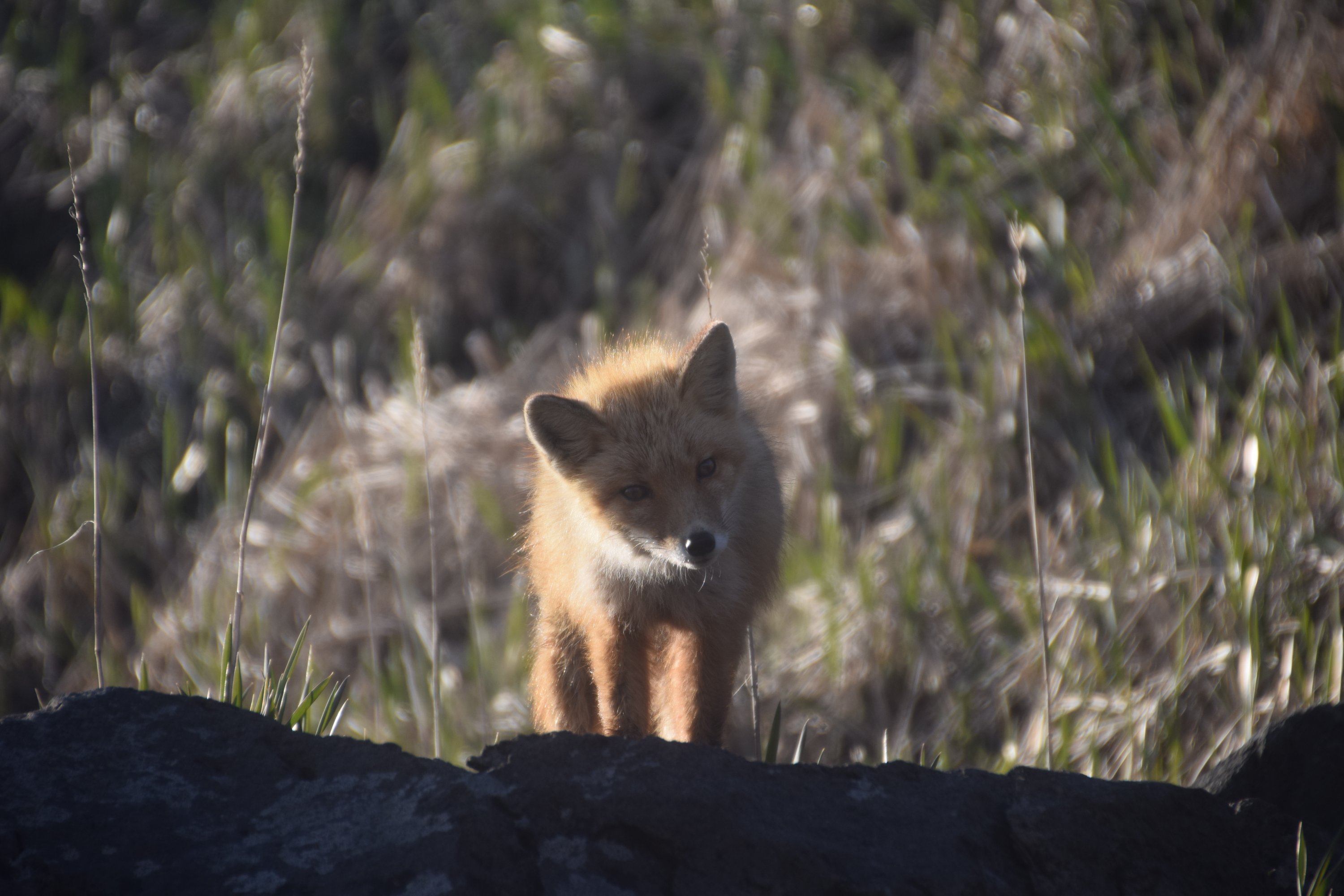
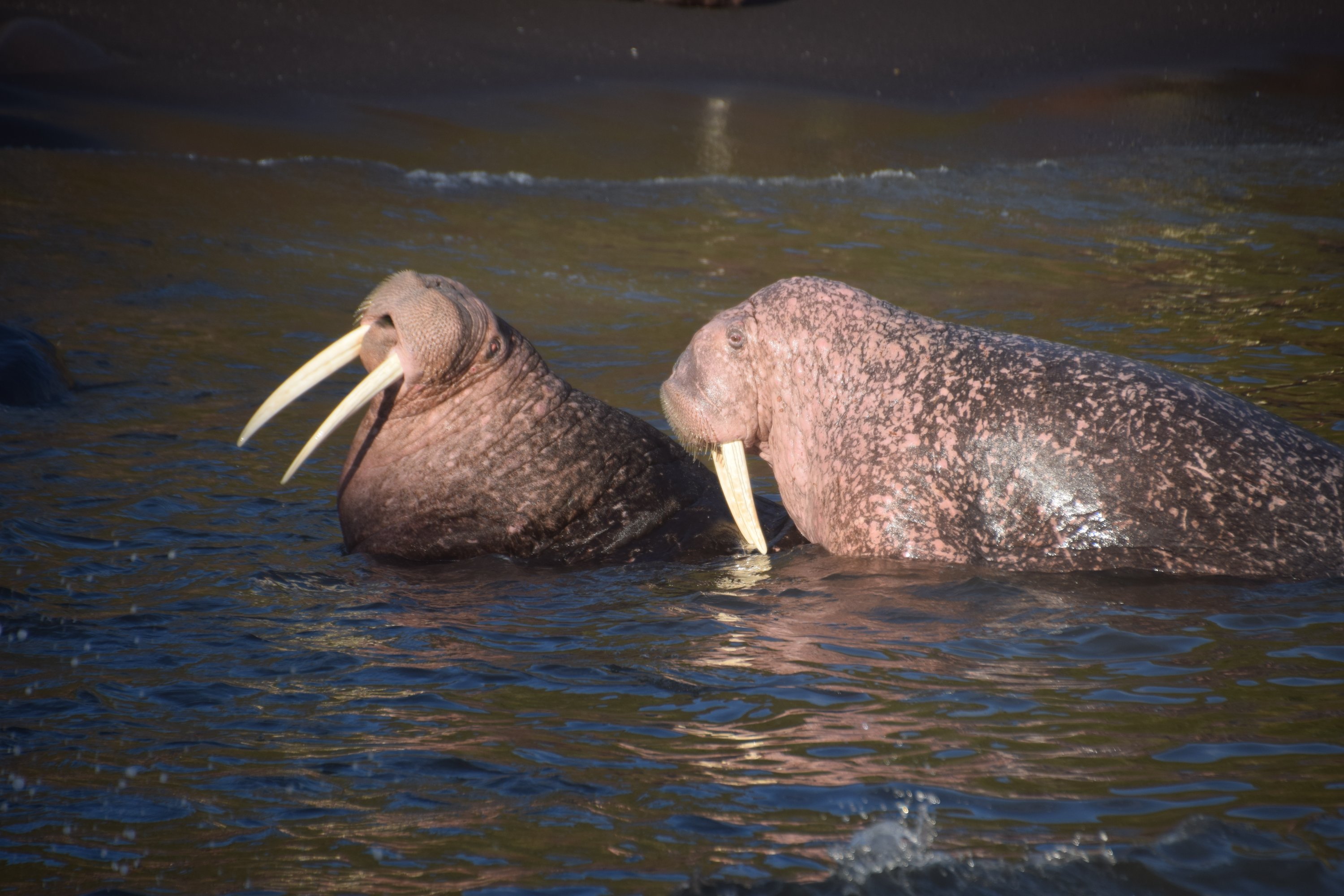
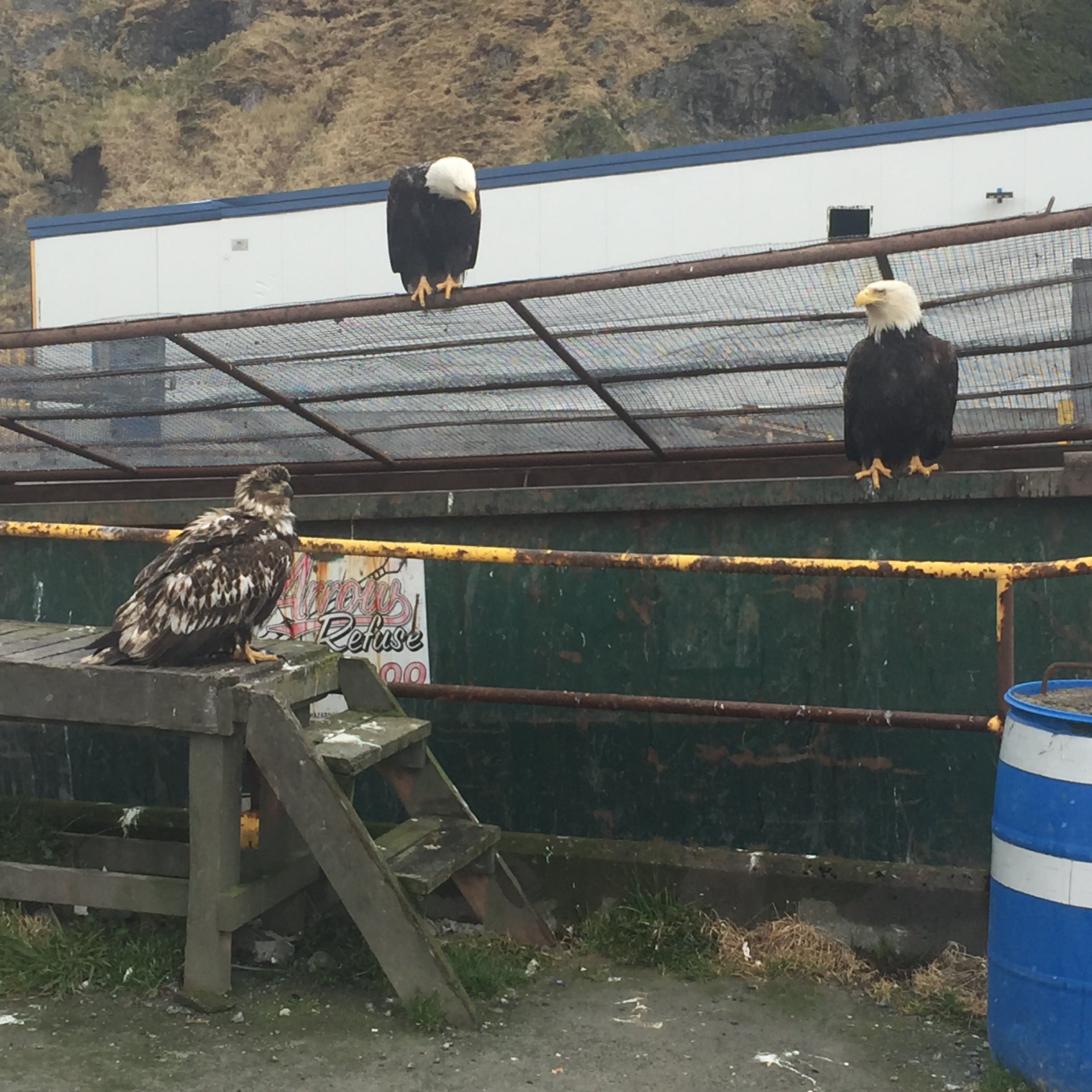
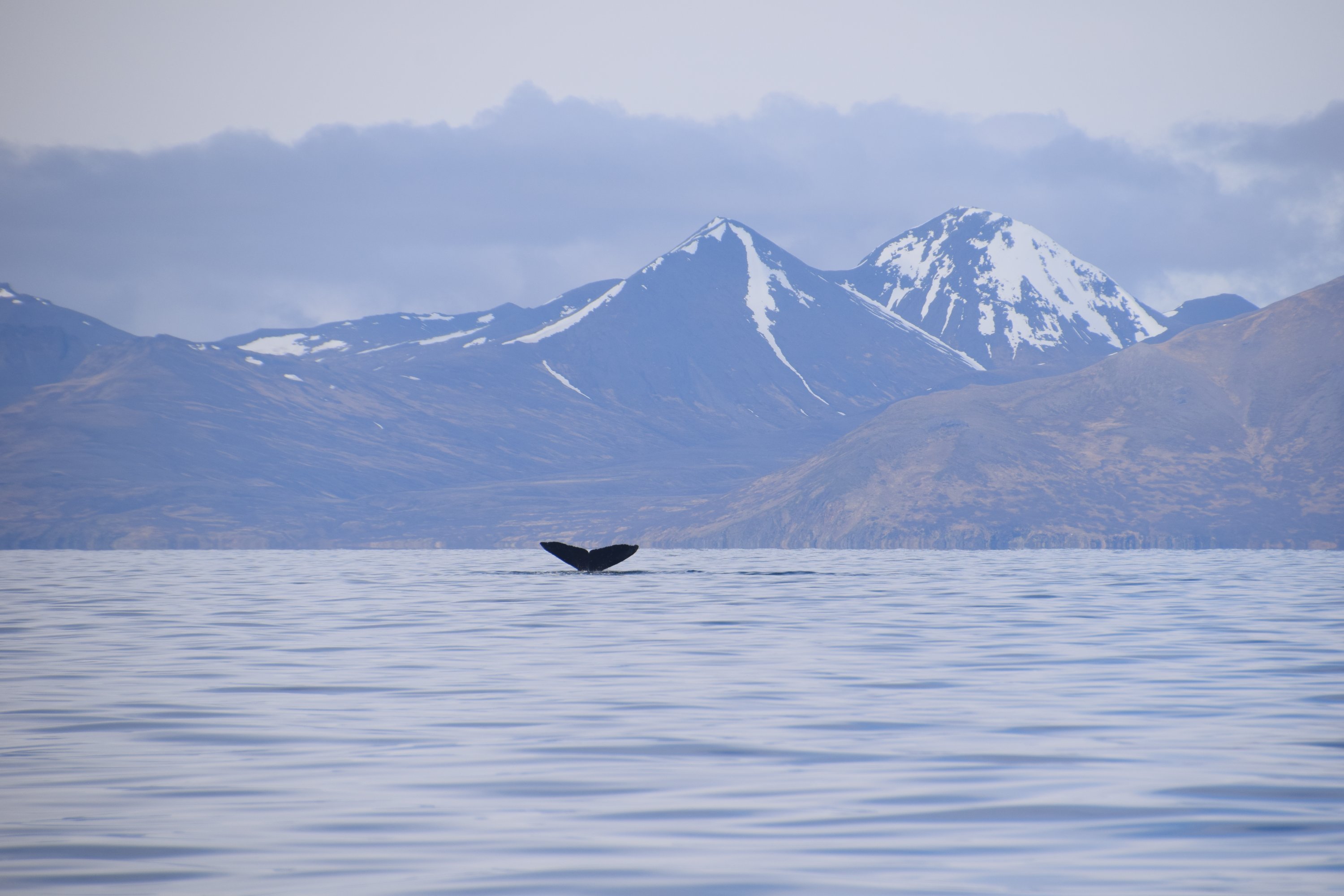
The journey from Alaska to Hokkaido proved indeed to be a once-in-a-lifetime experience, rich with adrenaline, challenges, surprises and lessons. In this blog I’ve shared some of these adrenaline-laden and challenging moments; I’ve written about the beautiful people we met every step of the way and have posted some crappy pictures of the amazing scenery and wildlife we were fortunate to encounter. Below are some taken by the more talented photographer, Craig, whose blog you can visit here.
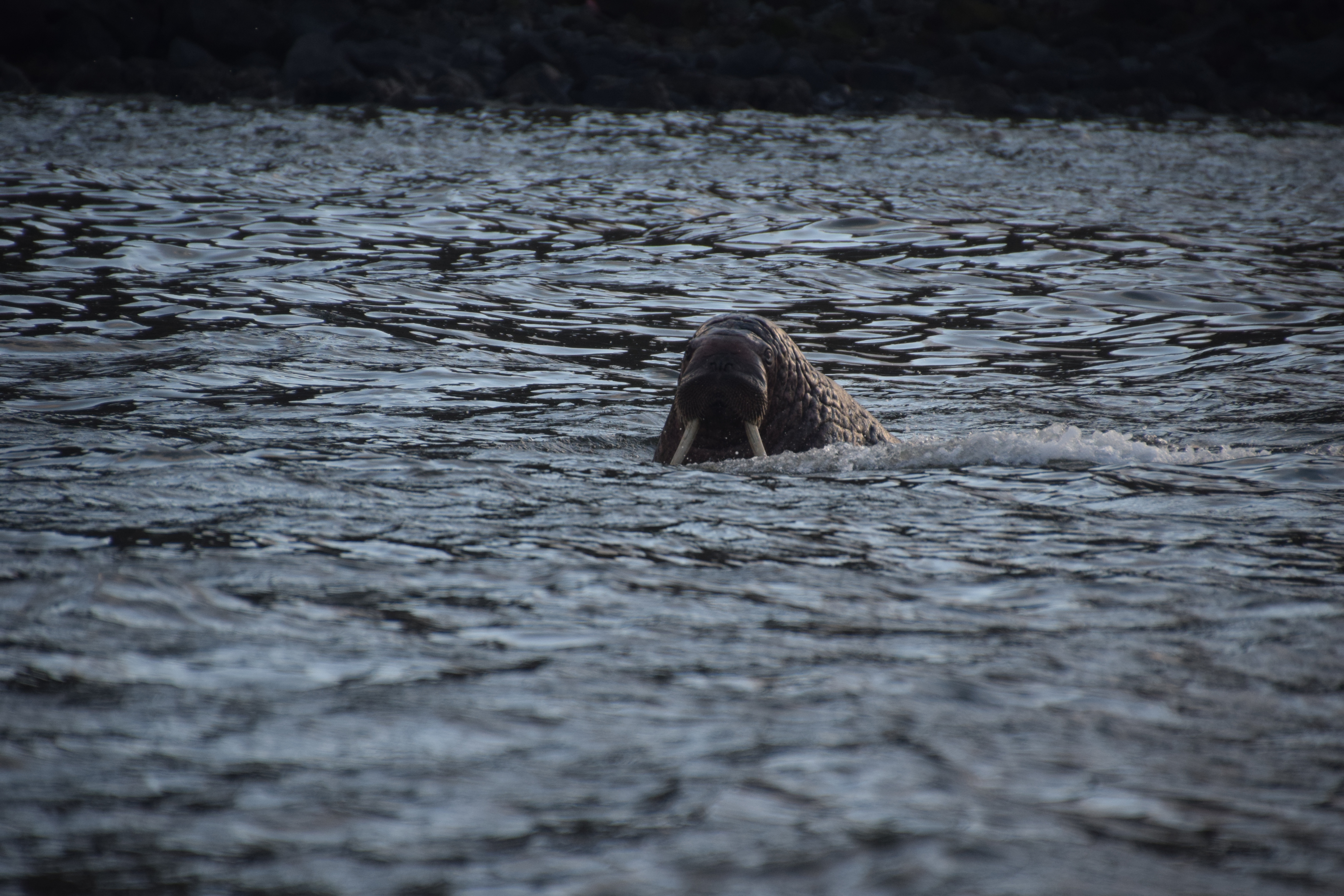
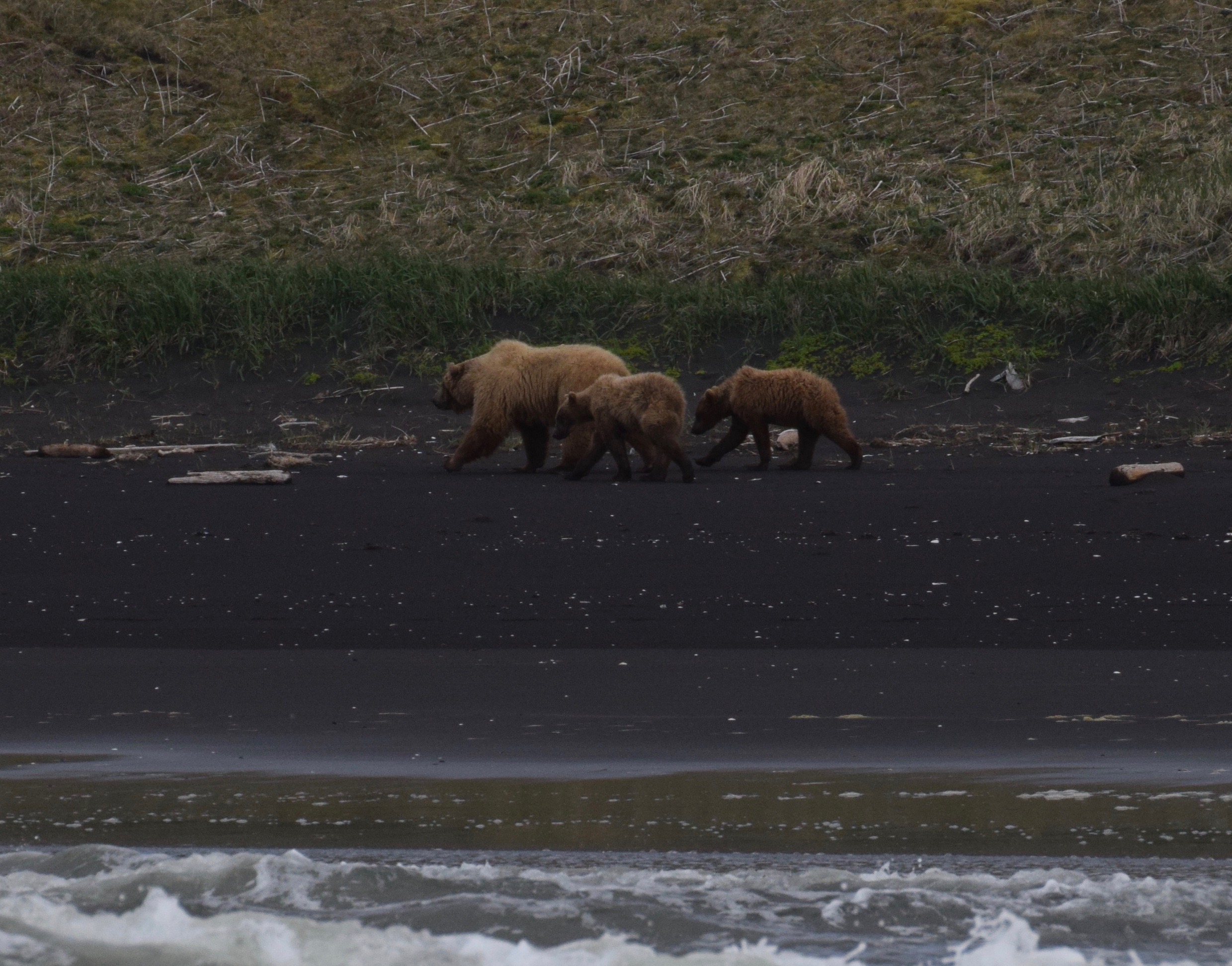
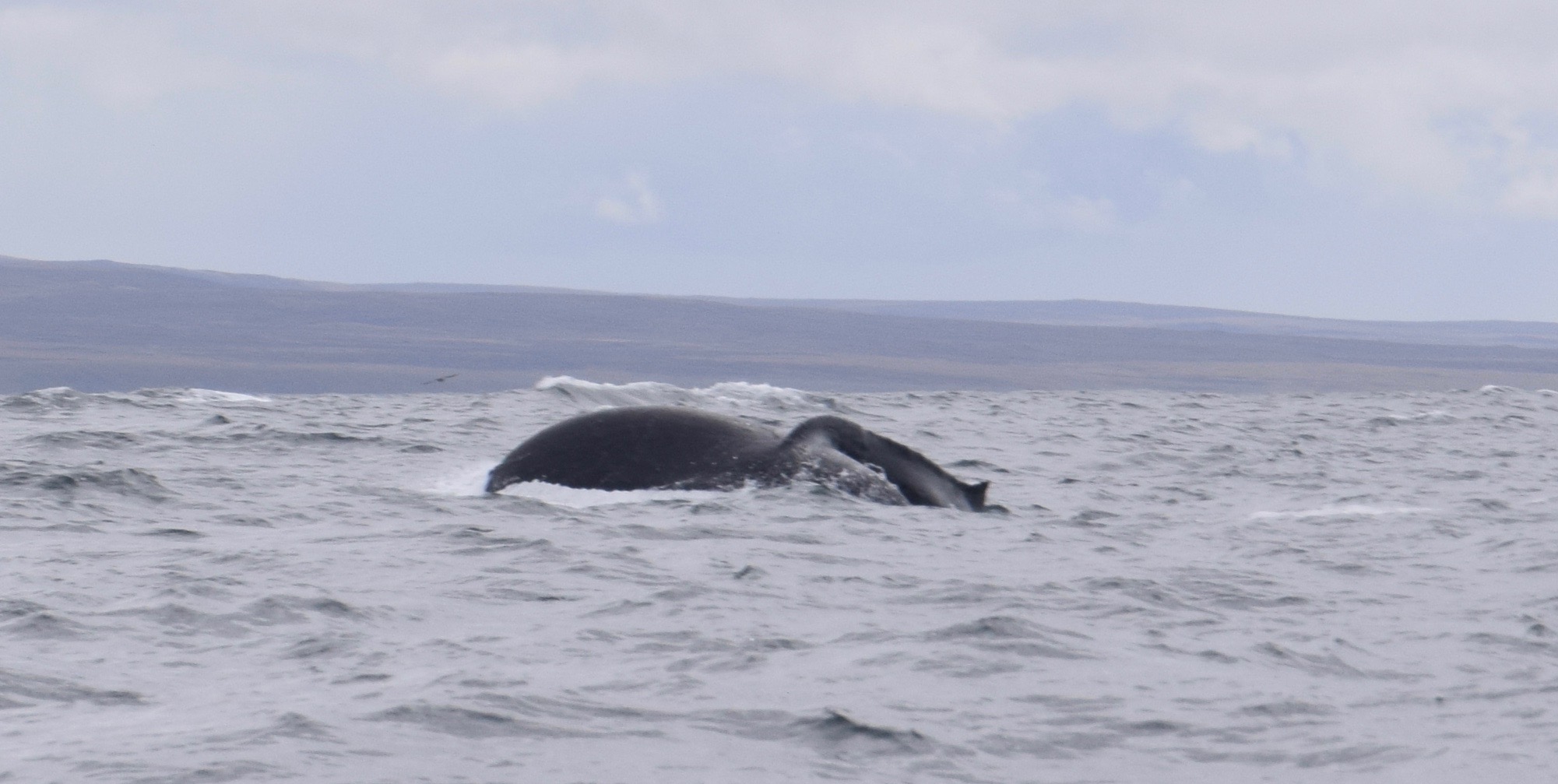
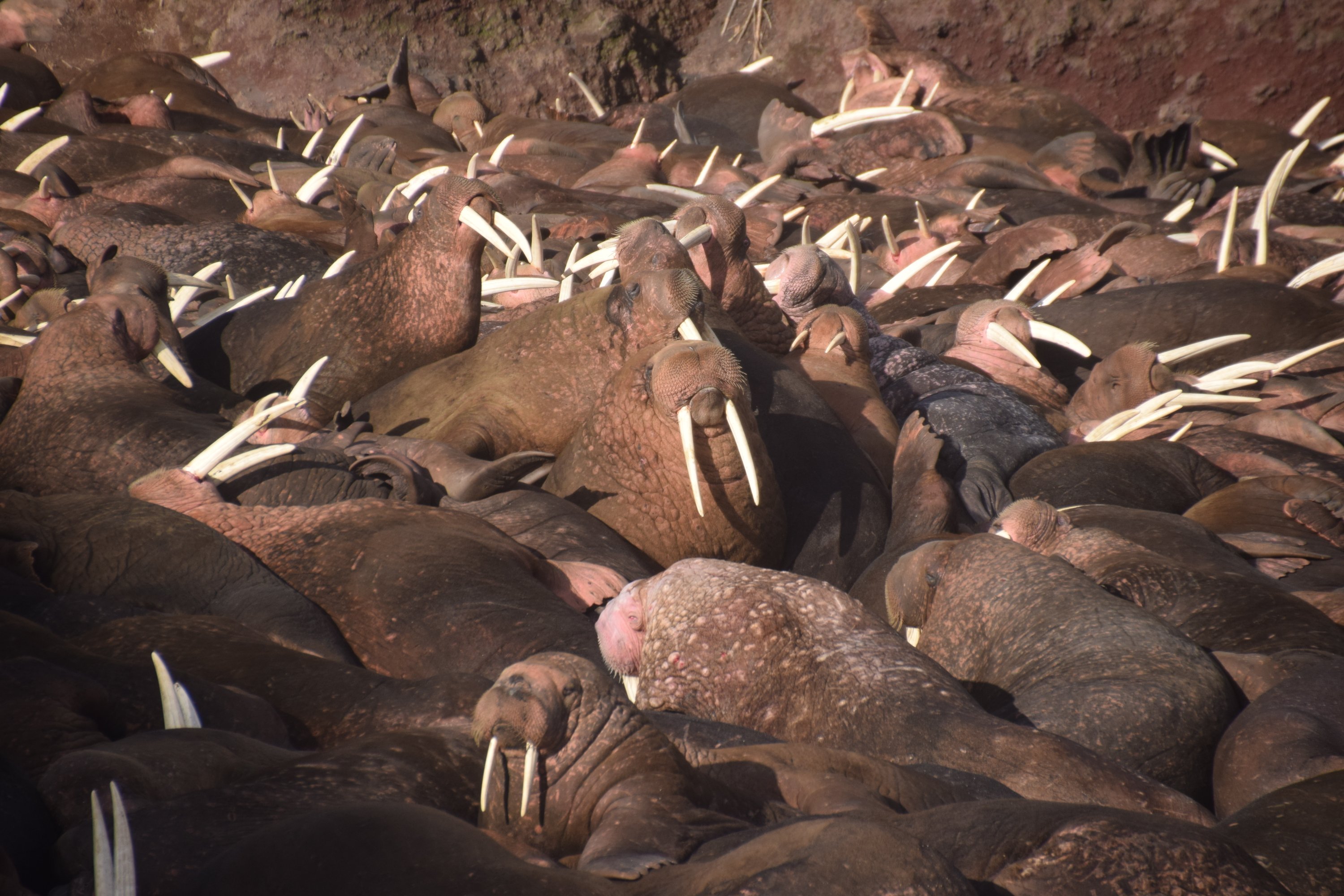
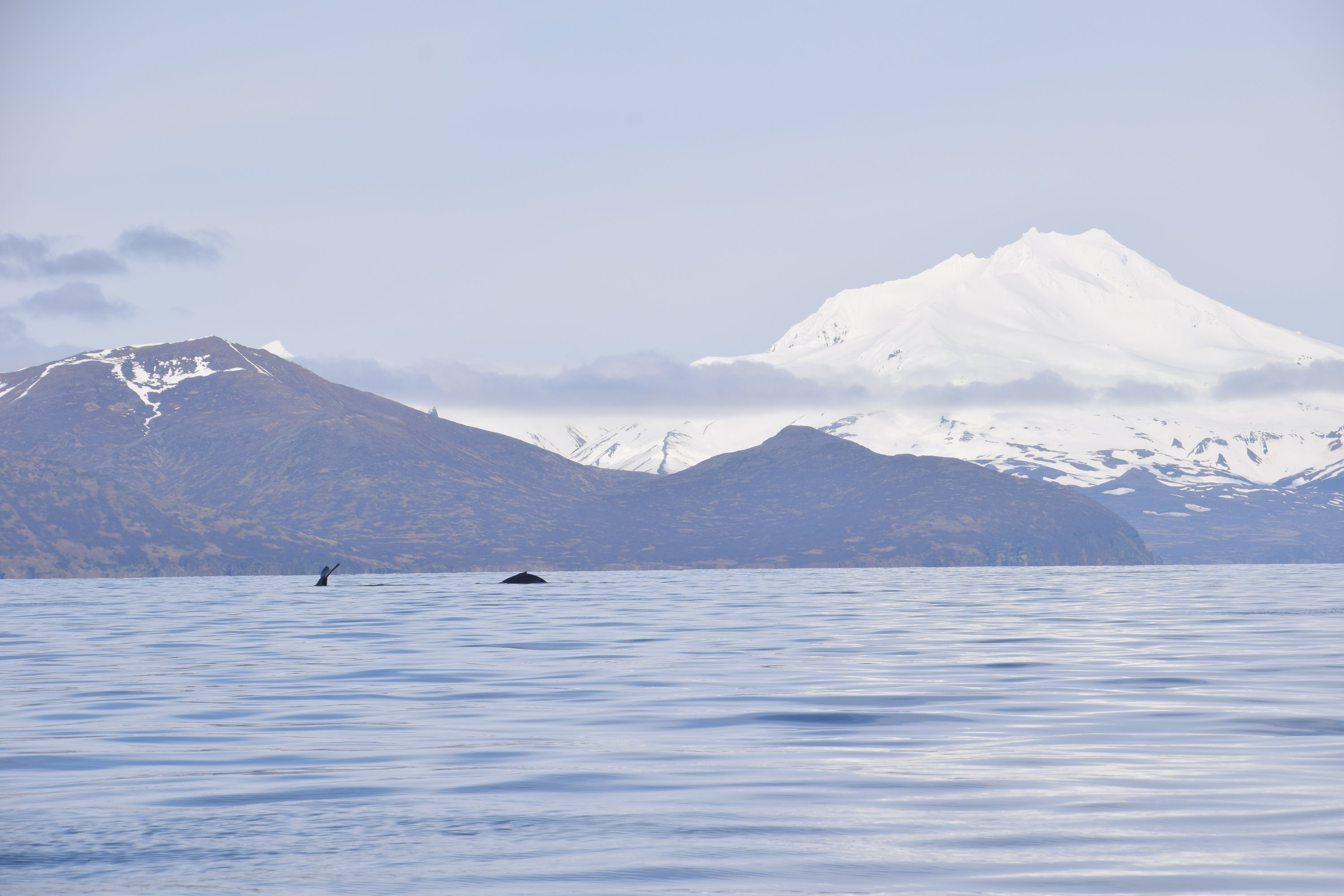
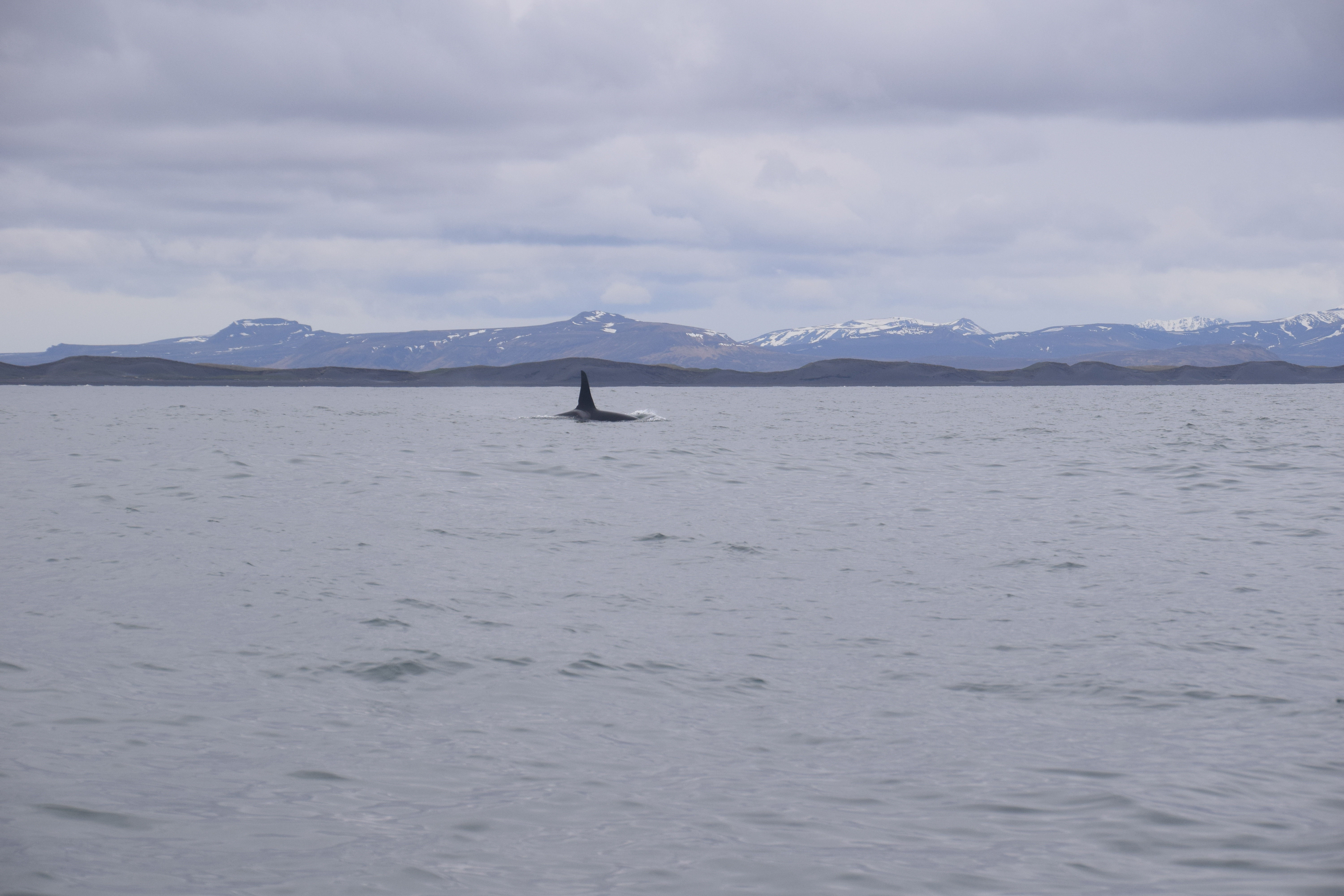
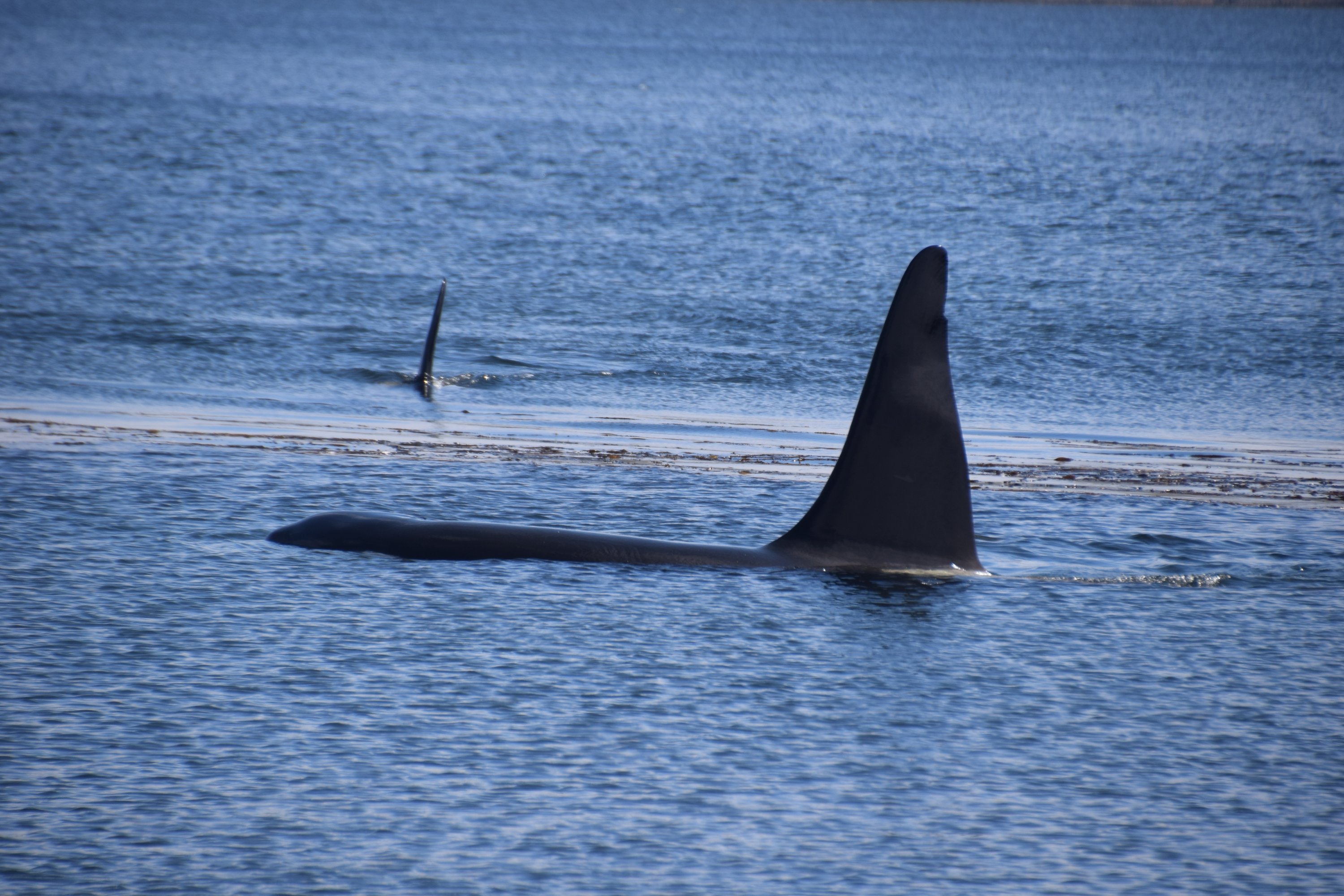
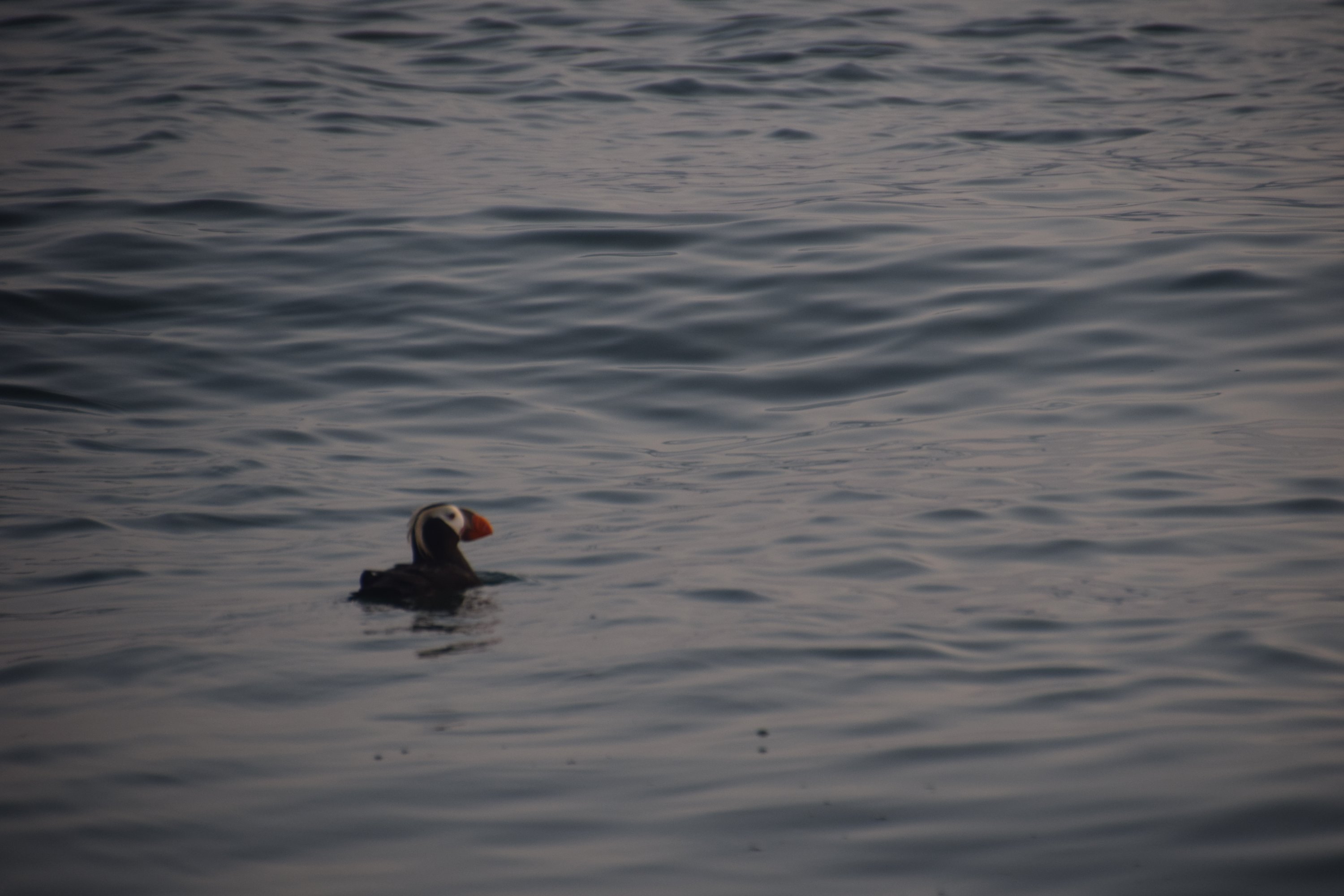
Concerning the lessons learned, Craig was a great Captain in that he delegated many maintenance tasks and repairs to me; lessons which now give me the confidence, if not necessarily the skills, to take on the challenge of restoring the S/V «Rossa», a 33ft Bayliner Buccaneer, to its former glory. Following three great weeks in Japan, I went back to Phuket, packed whatever stuff I had left and flew home to Mexico, where, after months of thinking about this 1979 fiberglass yacht, I finally found her in a boatyard in Puerto Chiapas, close to the border with Guatemala.
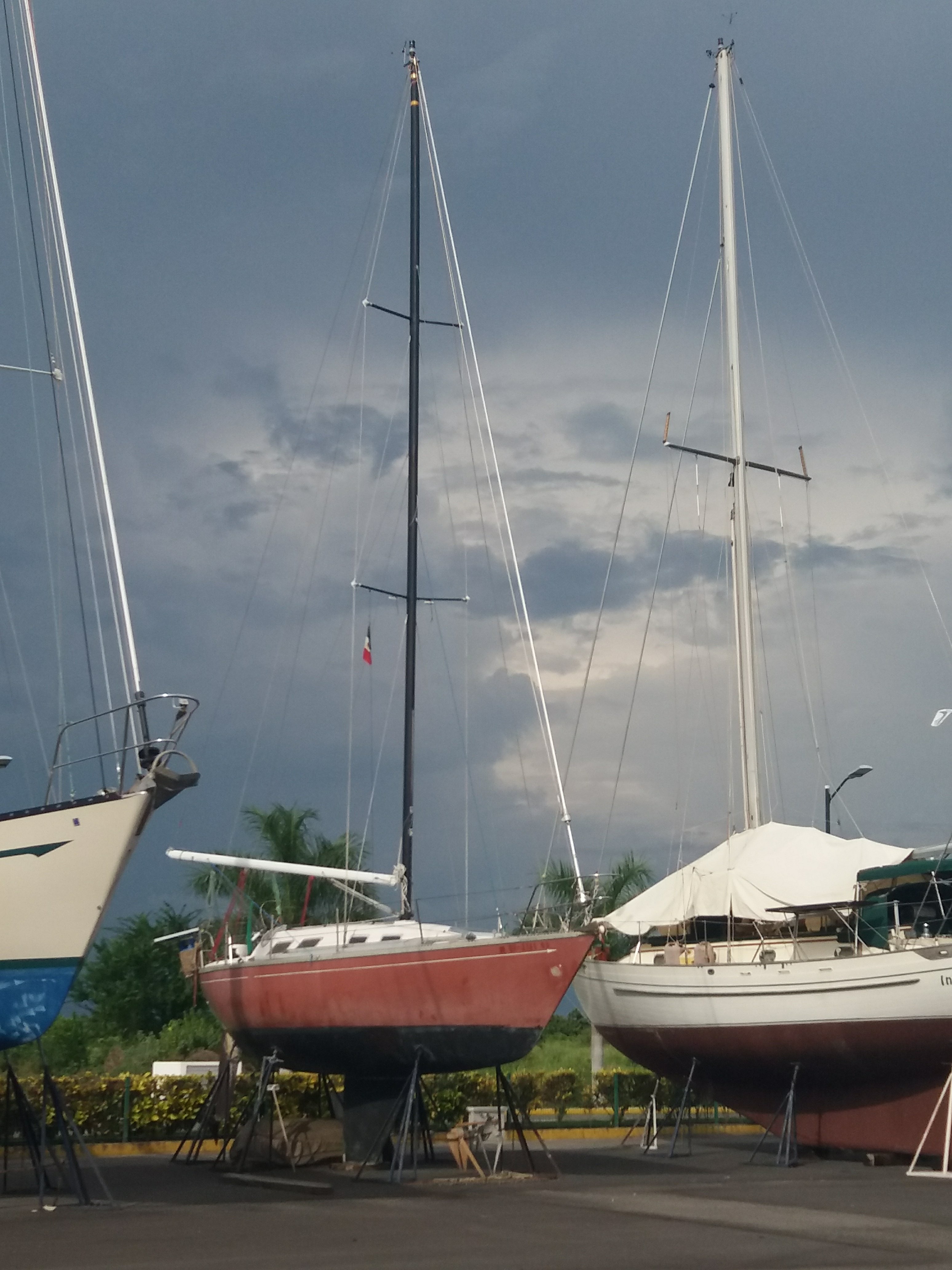
I’ve been here for almost two weeks, at first just staring at her, not knowing where to begin, then gradually tackling what I could manage, like organizing the tools left on board and buying what I felt was missing, then examining and mending her sails, and now I’ve moved on to what I am clueless about: plumbing and preparing the hull for a new paint job. Rossa’s previous owners were awesome in handling most of the woodwork the inside needs and still advise me when I get stuck. Youtube and Google haven’t been the great aids I had hope for, so I’m mostly learning from my mistakes, specially when fooling around with epoxy. Don’t expect the coming posts to teach how to restore your own boat.
Here’s a bit of what I’ve done so far:

Before

After

Before

After (puting new plumbing tape is basically all I’m good at in this domain)

Before, transom al beat up and full of drill holes

Made a mess playing with epoxy

came out pretty awesome


Before sanding

After sanding

Before sanding

After sanding
The Beauty of Sailing Alaska

View of Unga Island from Sand Point

The Unimak volcanoes

Sanak, an abandonned village

Sanak, a cow that didn’t make it

Sanak town

Volcano Bay

leaving Pavlof Bay for >40 knots of wind

The bushes from hell

How’ bear hunters get around

Akutan

Looking for hot springs on Akutan

Looking for hot springs on Akutan

Akutan

Attu

DCIM104GOPRO

The Unalaska welcoming committee

