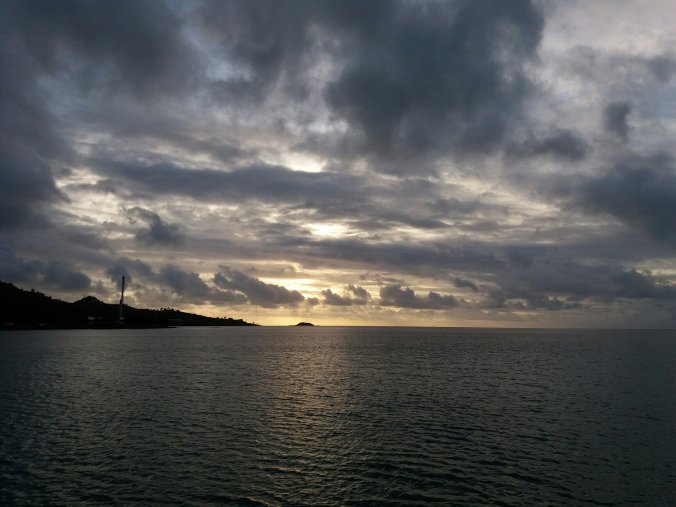
¡Salud!

De pequeño me parecía aburrido que los adultos se desearan buena salud en los cumpleaños o festejos de fin de año. Pensaba: ¡Qué hueva! ¿Por qué no se desean dinero o unas vacaciones bien chingonas? Ya más grandesito, me decía ¿por qué no se desean un chingo de sexo, buenas pedas y también dinero y vacaciones chingonas. ¡Wacala con su deseo de «mucha salud para ti y tu familia».

Al cumplir 38 este año, celebré con una cena tranquila y una peliculita, yéndome a dormir bastante temprano. Al día siguiente iba a bucear y quería estar al 100% para disfrutar al máximo del paseo en lancha y de las tres horas que pasaría bajo el agua.

DCIM104GOPROGOPR7035.Fue algo muy raro para mi: los veinte festejos cumpleañeros que lo precedieron siempre incluyeron cantidades irresponsables de alcohol y desde el número 30, unas crudas lamentables y duraderas. En esos veinte años, entre festejos propios y ajenos, comidas con amigos o familia, tardes de calor o de frío, partidos de fútbol o juegos de póker, noches de FIFA o de MarioKart, habré brindado unas cien mil veces, la mayoría usando la sencilla exclamación «¡salud!» o sus equivalentes en otros idiomas, la minoría con discursos o expresiones más largas, cómo es costumbre en Rusia, por ejemplo. Cien mil veces repetí esta palabra sin nunca darle una importancia sincera a su significado; algo así como cuando le preguntamos a alguien «¿qué tal?» sin dar tiempo para responder o valiéndonos totalmente madres la respuesta.

«¡Salud!» Se dice fácil y repite muchas veces en una noche de copas, provocando con frecuencia un estado contrario a lo que la expresión desea.

En los últimos años mi relación con la expresión ha cambiado. Ahora soy ese adulto que tanta hueva me provocaba de chamaco y no lo puedo evitar. Por un lado, en los últimos años he visto a amigos y familiares sufrir en hospitales o hasta morir por falta de salud. He visto que el dinero ayuda para obtener la atención médica necesaria, pero que no siempre es suficiente. Más que distracción, aprendizaje u entretenimiento, ahora veo unas buenas vacaciones como oportunidad inigualable para recuperar la salud pérdida detrás de un escritorio o una rutina llena de estrés.

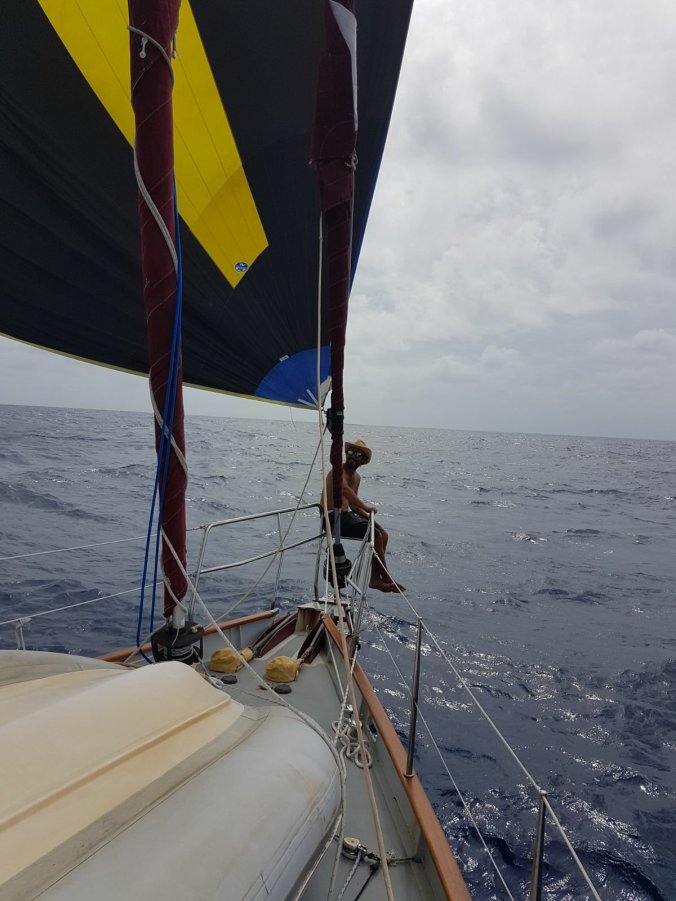
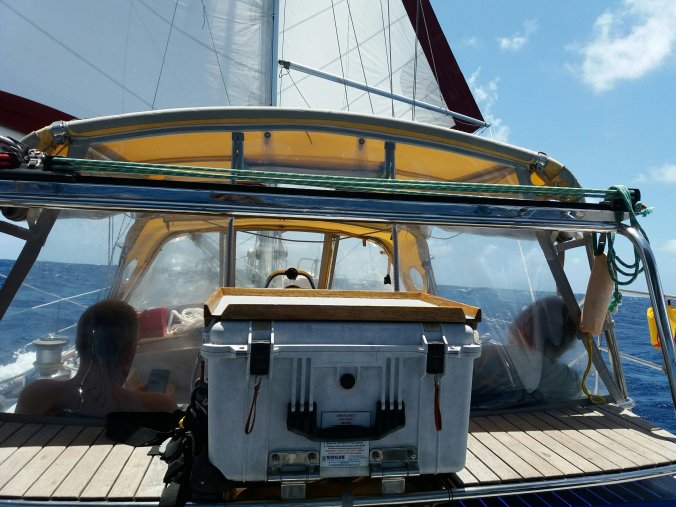
En las últimas dos semanas he pensado mucho en esta palabra, en los deseos de buena salud, en su uso cuando alguien estornuda, y es que a bordo de un velero sin piloto automático, hay poco que uno pueda hacer a parte de ver la brújula y meditar.

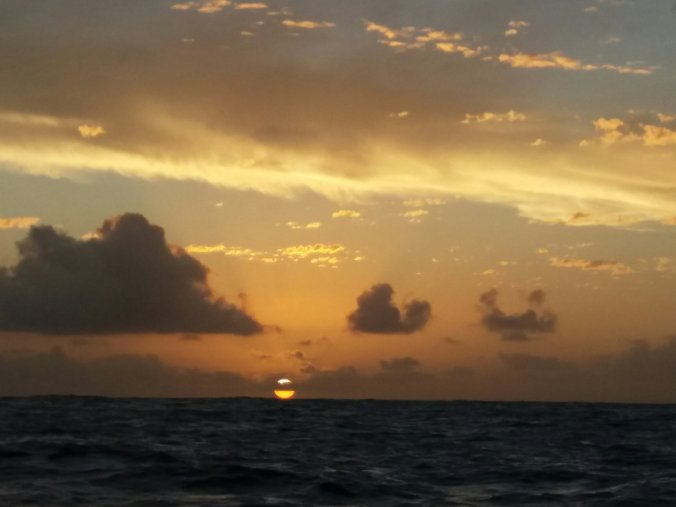
20190803_063313960024067673960807.jpg

Amanecer en Sumbawa, con el Volcán Rinjani en el fondo.

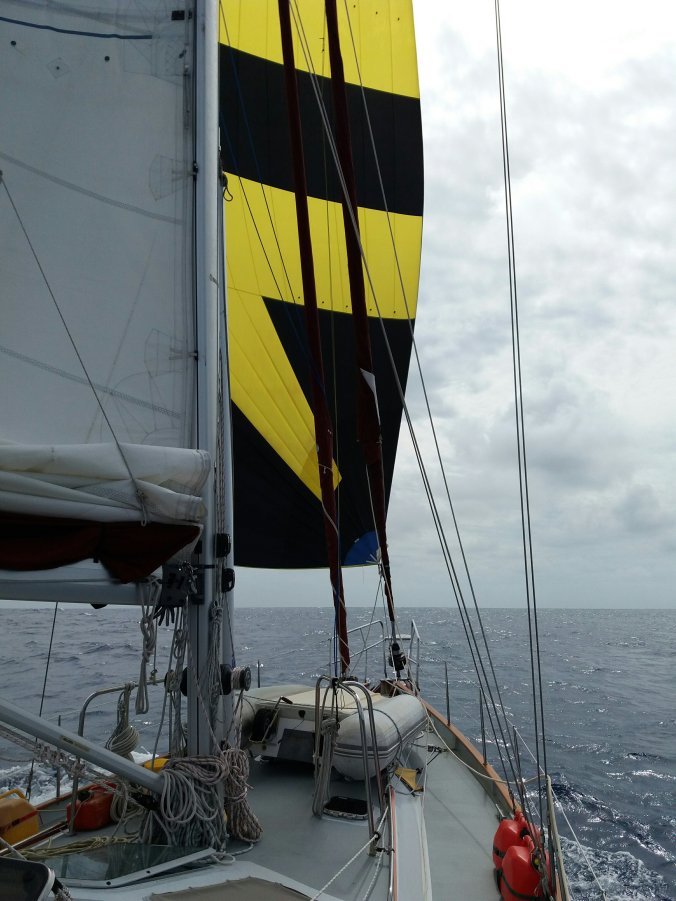
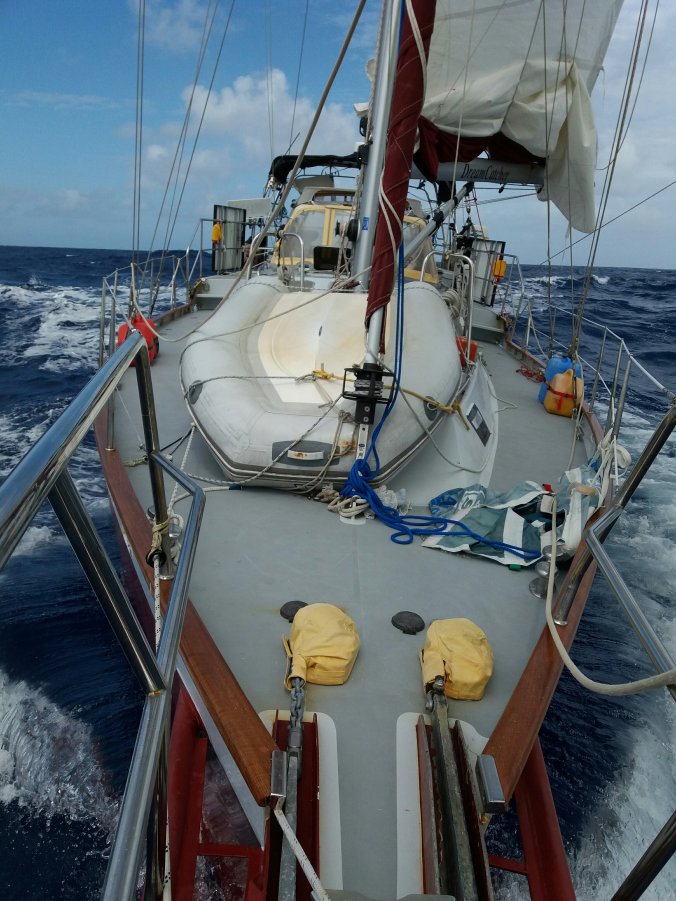
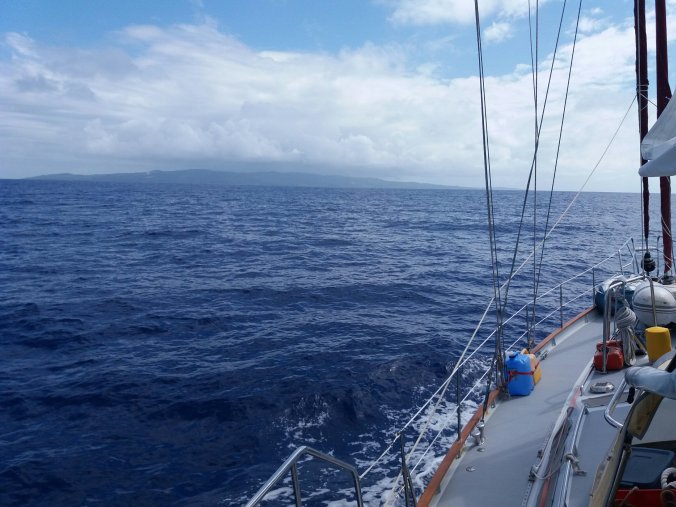
El 27 de agosto a las 1700, luego de un día de carreras bajo el sol y la lluvia para cargar combustible, agua, cervezas, despedirnos de Aduanas, Migración y del Capitán de Puerto, levamos el ancla en el Puerto de Tanjung Pandan, Isla de Belitung, Indonesia, con destino a Phuket,Tailandia. El último jalón.

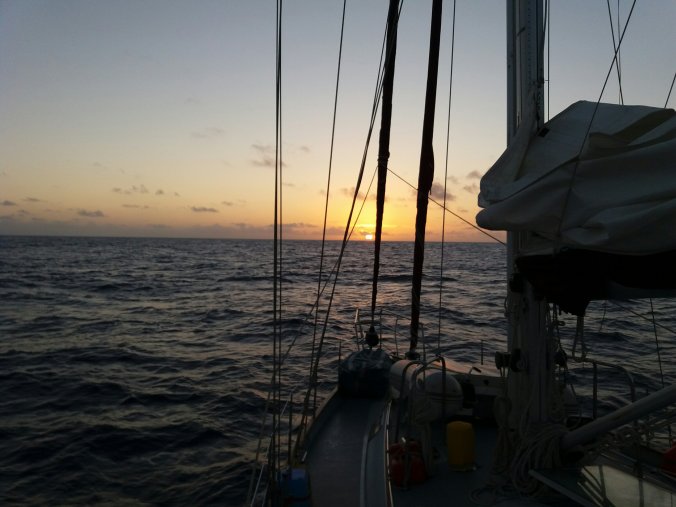
20190827_1746255326106497701156415.jpg

Atardecer dejando Tanjung Pandan. El río lleno de basura después de un aguacero.

El día siguiente estuvo en su mayoría nublado, pero durante una hora sufrimos un aguacero en el que, muy a pesar de mi chamarra super pedera de marinero profesional, acabé empapado y helado. Habiendo librado la tormenta, dejé el timón por unos instantes para ponerme un suéter grueso y seco y aún así tardé media hora en dejar de temblar.

Llegada la noche, sentí un ligero dolor de cabeza, como aquel que acompaña una resaca fresona. A las 12am comenzó mi turno de tres horas al timón y me rendí a tomar una aspirina. Me hizo lo que el viento a Juárez. Al despertar la mañana siguiente, tomé otra y nada. Por la tarde, con un dolor de cabeza cada vez más intenso y ahora acompañado por una debilidad generalizada y un dolor en todas las articulaciones, mis compañeros tripulantes sugirieron que me metiera dos. Funcionó. Por seis u ocho horas me sentí casi normal, sólo carente de fuerza para ayudar izando o bajando velas. Cuando la anestesia de las aspirinas pasaba, tomaba otras dos, y así me la llevé hasta el 3 de septiembre, día en el que pisamos tierra para recargar combustible, agua y cervezas.

Fueron casi 150 horas de agonía, de pensar en dengue, porcina y malaria, de recordar lo efímera  que puede ser la salud, de hacer las paces con un velero al que tantas cosas se le habían roto y descompuesto, de arrepentirme de haber anclado en un pinche pantano y cenado en un restauran dónde abundaban los mosquitos,  de pensar que con salud, nada es imposible y que sin ella, todo es difícil. Me iba a dormir temblando de frío y despertaba poco después empapado en sudor. Era imposible encontrar una posición cómoda en mi camarote y muchas veces dormía sentado o con las piernas estiradas y los pies haciendo presión contra el techo. Durante el día pasaba mucho tiempo al timón, era lo único en lo que podía apoyar. Cocinar, ajustar velas, lidiar con los motores e incluso las líneas de pesca (que solían ser una responsabilidad que asumía con gusto y entusiasmo) implicaban esfuerzos que no era capaz de hacer.

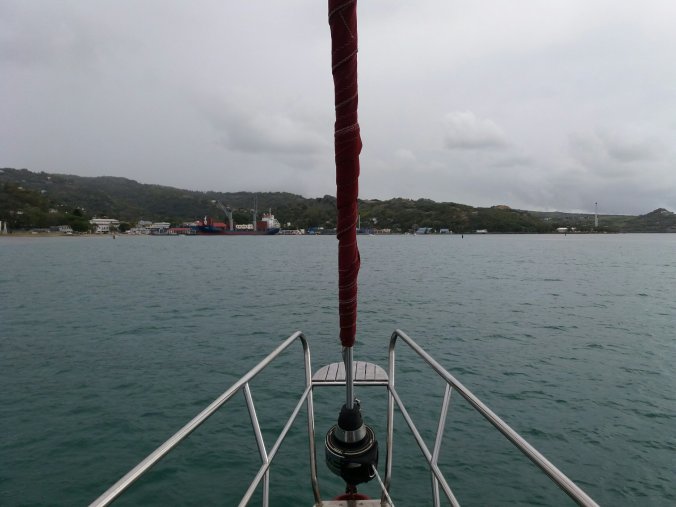
20190827_0656527210181764675297837.jpg

Así se veía el pantano en Tanjung Pandan con marea baja. Cómo es catamaran, mientras el fondo sea de lodo, no hay bronca si lo tocas o incluso te posas sobre el.

El 30 de agosto sacamos un pecesote y por la mera emoción hice el esfuerzo de limpiarlo y convertir la mitad en ceviche. La otra mitad se fue a la parrilla. Temía no tener apetito suficiente para disfrutarlo. Esa noche, a pesar de la ocasión especial, renuncié a mi derecho a una segunda cerveza y me fui a dormir inmediatamente después de cenar. A esto se sumaba una angustia psicológica: estábamos a punto de entrar al estrecho de Malaca, el más transitado del mundo, y habiendo llegado al hemisferio norte, esperábamos encontrarnos con una buena tormenta al día. Compartí mis síntomas con una amiga en el otro lado del mundo y entre ella y sus googleadas calmaron mis peores temores. También aclaró que paracetamol, que era lo que llevaba días tomando, no era lo mismo que aspirina, y que no corría riesgo de sobredosis.

20190830_1347354271546826065872622.jpg

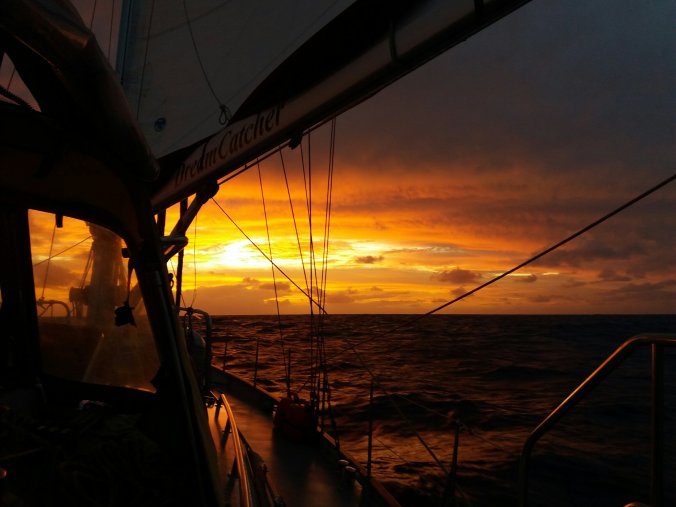
La madrugada del 31, luego de una noche terrible y un amanecer espectacular, entramos al estrecho de Malaca. Fueron cuatro días de riesgos de colisión con barcazas, buques y barcos de pesca, poco sueño, vientos leves, mucho calor, nada en los anzuelos, en un laberinto de redes de pesca.

20190831_0548126548024799161451511.jpg

El 3 de septiembre, con a penas 20 litros de gasolina restantes y unos cuarenta de agua, nos desviamos de la ruta para hacer una escala de emergencia. Yo aprovecharía, además, para visitar a un doctor. Pero en el puerto al que llegamos no había doctor ni farmacia, solo otros navegantes con botiquines de primeros auxilios igual de escuetos que el nuestro. Decidí rendirme ante el destino y ver si de pura casualidad una buena ducha de agua caliente seguida de unas Carlsberg rete-frías de barril me curarían.

20190902_1421314453489696427108571.jpg

El 4 de septiembre zarpamos nuevamente y yo, incrédulo, me sentía como nuevo. Tal vez no era dengue ni porcina, sino el efecto de la abstinencia, el delirium tremens, o quizás todo fue psicológico, asociado al cansancio y hartazgo acumulado, o al temor de estar tan cerca del destino pero a la vez tan lejos, o a la preocupación de no saber qué hacer ahora que la odisea concluyera. Lo cierto es que mi semana en el infierno fue un recordatorio de que la salud es invaluable, es primordial, es aquello sin lo cual todo lo demás es irrelevante.

Entonces, ¡brindemos por la salud! Y con tanta ocasión para brindar, también brindemos por dinero, vacaciones chingonas, mucho sexo, buenas pedas y todo lo que se les ocurra. Y quienes gocen de salud, ¡sáquenle jugo! Anitya.
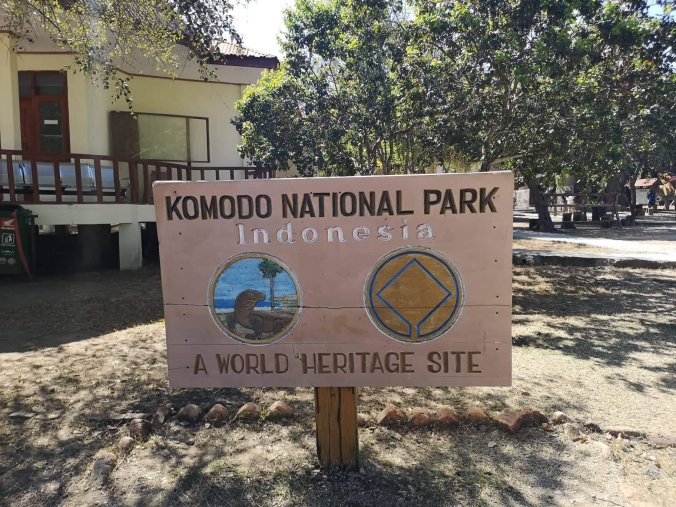
Recent study shows Komodo Dragon prefers fried rice over live prey

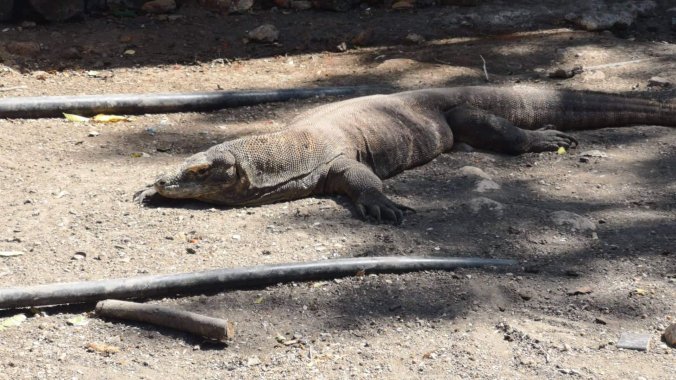
According to UNESCO, the Komodo National Park is home to approximately 5,700 Komodo Dragons, so-named because of their intimidating looks and aggressive behavior. The Komodo is currently the largest lizard on the planet, weighing up to 70kg (150lb) and averaging a length of 2 to 3 metres (or up to 10 medium-sized feet).

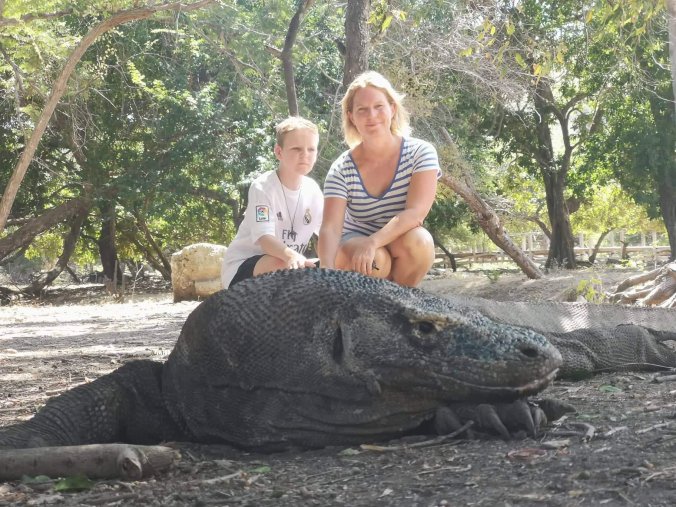
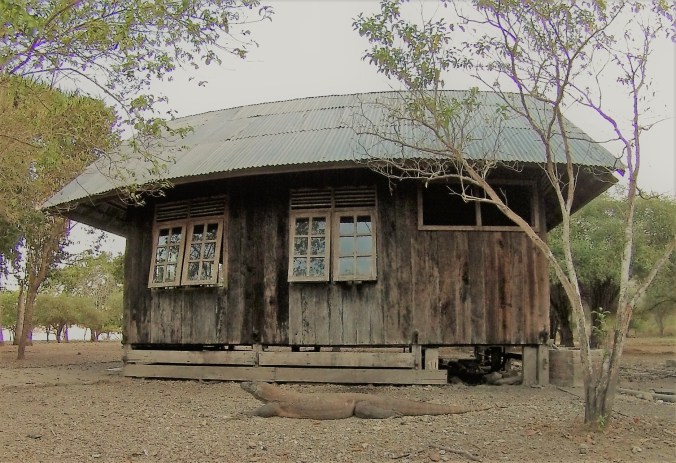
A survey conducted by scientists interested in Darwin’s blasphemous theory of evolution showed that these fearsome lizards now prefer the local staple, Nasi Goreng, over the many deer, monkeys, rats and buffalo who share its habitat. Most of today’s dragons live in the vicinity of the numerous canteens the park rangers have set up on the islands of Rinca and Komodo. There they are fed, like millions of Indonesians, fried rice for breakfast, lunch and dinner. Komodos spend the hours between meals lying flat on their bellies, occasionally smiling when photographed by the many tourists that interrupt their digestive process every day.

DCIM102GOPRO

As in the case of Luis Suarez, Uruguay’s most famous vampire, the Komodo Dragon was for-long judged severely on account of the bacteria in its mouth, capable of mortally infecting its victim within days of an attack. Today, however, (like Suarez in Barcelona) it peacefully coexists with the park rangers and tourists, making a live Komodo as docile as a dead one. According to local rangers, it will at best get up from its place of slumber after months of starvation, which occurs prior to the arrival of a National Geographic team or Sir David Attenborough.

Still, one ranger added, with blue screens, green screens and digital animation, this rarely ever happens anymore, as one action-filled documentary footage is recycled over and over by different producers, often simply flipping the images to fool the viewers into believing they are seeing never-before-seen footage. Scientists have therefore concluded that while the lizards are unlikely to grow in length, like Mexicans, they will probably evolve into more obese beings.

Lastly, the survey also showed that when given the option between Mie Goreng -fried noodles- and Nasi Goreng, the dragons were more inclined to go for the rice dish, and that a fried egg on top went a long way into getting them to look happier in selfies.

Many thanks to AJ Rush for allowing me to use her very good pictures for this post.

Down the corporate ladder and up the yard ladder

Three years ago I was on the beautiful island of Rote, Indonesia, with my mate Furlong, a.k.a. Sasha Mandinga, discussing with some Aussie surfers the feasibility of flying to Australia to learn how to sail and get jobs as deckhands. We had been enjoying touring across Indonesia on our motorbikes but realized that such an archipelago could only really be conquered by boat (if at all possible, considering its 17,000 or so islands).
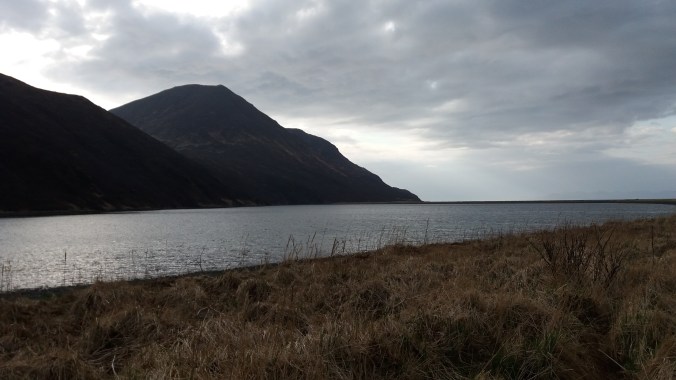
IMG_0544.JPG

Not long thereafter, Furlong died and I was left to decide whether I should go back to the office life I had known for almost ten years and found unfulfilling or actually try to learn to sail and pursue the idea of cruising. Clarity (and courage) came during a Vipassana meditation retreat in Bali and, determined, I quickly found an opportunity to enslave myself at a sailing school in Phuket, Thailand. During my first year there I worked in exchange for experience and qualifications, became a yachting instructor and participated in a couple of regattas.

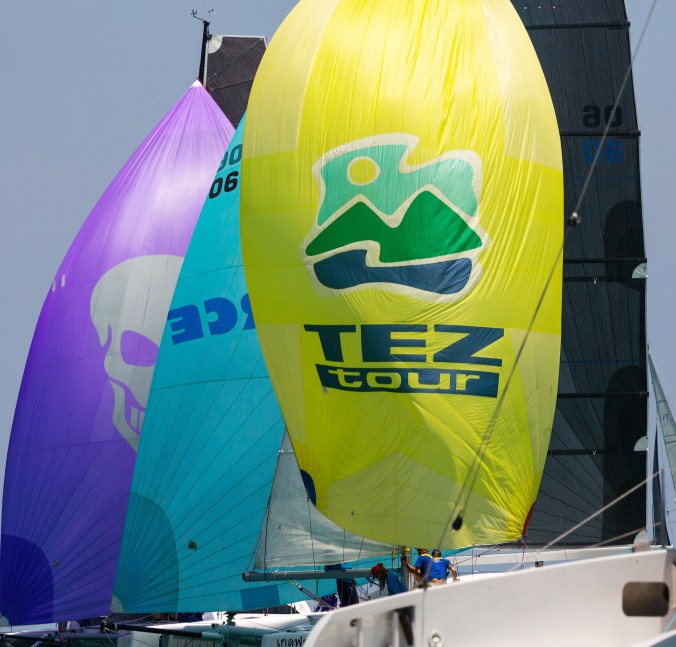
Picture from MBS / Cape Panwa Hotel Phuket Raceweek 2017

Tight rounding of the leward mark. Our team is flying the yellow spinnaker. Photo taken from SEA Yachting Magazine

Life in Phuket was awesome and the sailing, great, so I decided to stick around for another year, this time paid just enough to cover my rent, some beers and Thai lessons. Within that second year I was invited to help Captain Norm take his 49ft Bruce Roberts across the Indian Ocean, an experience that only confirmed I had been right in staying away from the suits and ties, for, as Yann Martel’s Piscine Molitor so rightly puts it, «I [had] nothing to say of my working life, except that a tie is a noose, and inverted though it is, it will hang a man nonetheless if he’s not careful.»

As I was reaching the end of my second year in Thailand I felt I was living the life of a retired expat, lacking in mental and physical challenges, spending too much time and money at the Ship Inn, the local pub, and decided to look for another crewing opportunity, hoping for a paid one. This time, Captain Craig distracted my search with a crazy proposal: to sail east from Sand Point, Alaska, along the Aleutian chain, in freezing temperatures and against the prevailing winds, to Russia’s westernmost frontier, Kamchatka, and then south following the Kurils, to Hokkaido, Japan.

I had already seen his plan on a crewing website and didn’t even consider it. There was a Hallberg Rassy making its way to Phuket which would then head to Sri Lanka, the Maldives, Chagos and around the Cape of Good Hope. It was not a paid gig, but the fact that I had all the appropriate clothing (shorts and flipflops) and that a 15-minute ride to the marina would lead me half way around the world had an enormous appeal. For the Bering Sea, on the other hand, I would be subject to constant shit weather, have to spend heaps on gear and flights and go through the hassle of applying for a Russian visa. Had it not been for Craig’s email, I’d be snorkeling in some tropical paradise right now.

But Craig planted a seed. He mentioned he was looking for someone who spoke Russian and was keen on climbing volcanoes, which was enough for me to give his plan a closer look. It took about a month for me to make up my mind. In the meantime, I quit my job, the Hallberg Rassy arrived in Phuket, I had some beers with her very friendly Danish skipper and was very tempted to leave for Sri Lanka. But the seed was sprouting. I believe what decided it was the advice of my friends Ana and Jose, regulars at the above-mentioned pub. They put it very simply: there will always be another opportunity to sail to Sri Lanka and so on, but maybe never another to explore the Aleutian Islands.

So I called the crazy Kiwi, told him I was in and asked him what gear I needed. Aside from the obvious, he suggested I get some snow shoes (which he had to explain are not the same as snow boots), a gas mask, an immersion suit, avalanche kit and a sleeping bag appropriate for freezing temperatures; suggestions which only confirmed how insane the plan was. I then spent over a month shopping, packing, processing my visa, studying the weather and currents and making my way to Sand Point. At the same, as if I could juggle more crazyness, my friend Daniel, one of the owners of the beautiful Casa Blat Ha in Holbox, called me to say he knew of a good, cheap yacht for sale that I should buy. And so I did.

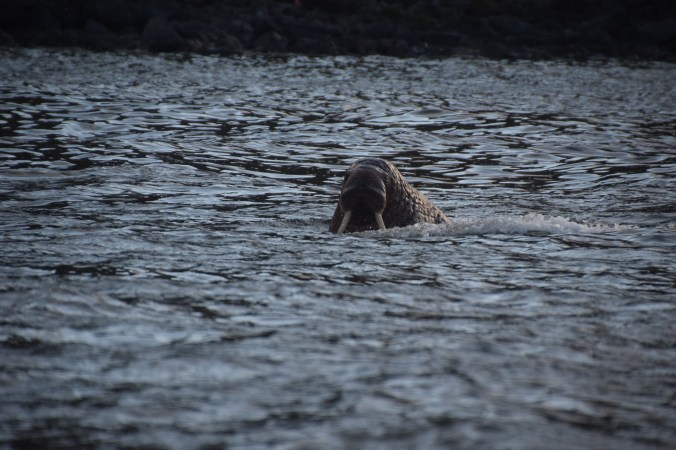
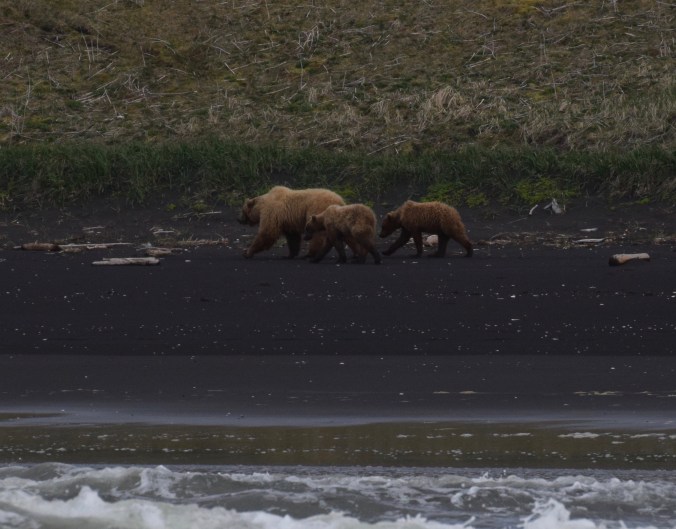
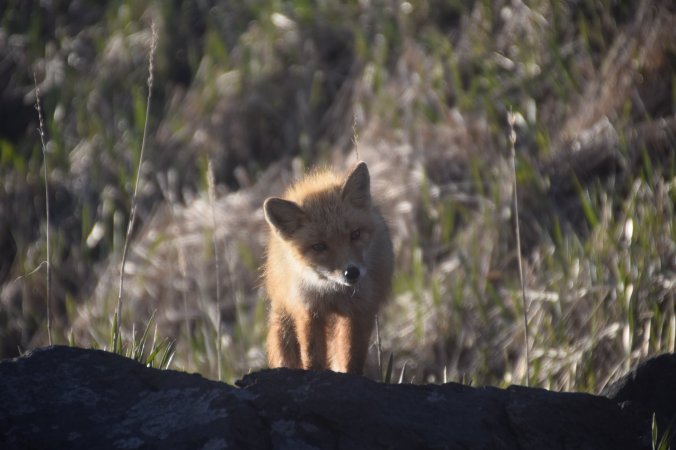
The journey from Alaska to Hokkaido proved indeed to be a once-in-a-lifetime experience, rich with adrenaline, challenges, surprises and lessons. In this blog I’ve shared some of these adrenaline-laden and challenging moments; I’ve written about the beautiful people we met every step of the way and have posted some crappy pictures of the amazing scenery and wildlife we were fortunate to encounter. Below are some taken by the more talented photographer, Craig, whose blog you can visit here.

DSC_0230

DSC_0229

DSC_0190

dsc_03311399432043.jpg

dsc_0279635571124.jpg

dsc_02971037936784.jpg

img_2136334130475.jpg

dsc_0402410870058.jpg

dsc_0407505710893.jpg

DSC_0333dsc_0758859373628.jpgdsc_0623522970454.jpg

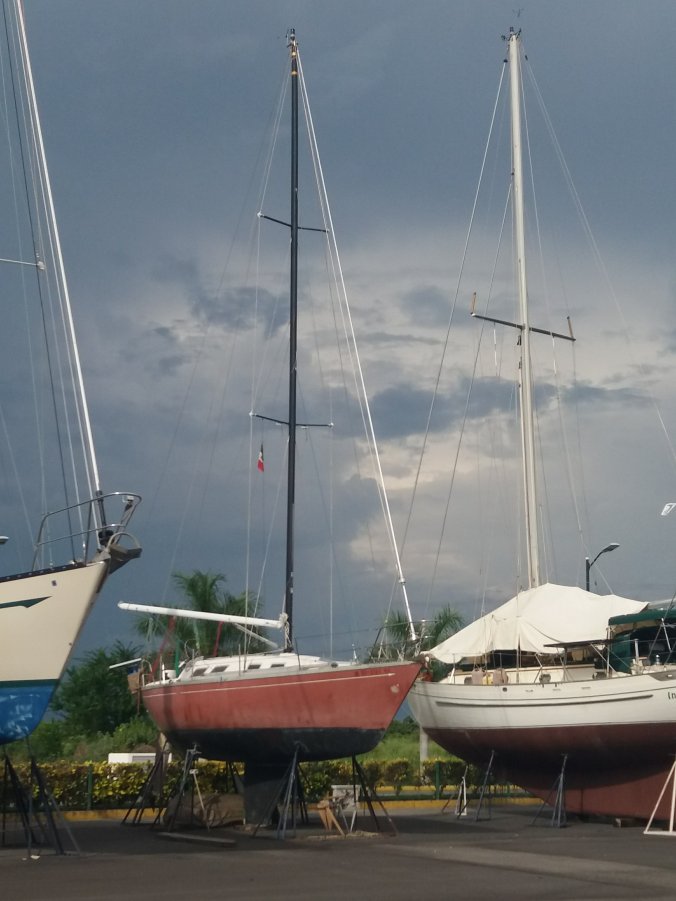
Concerning the lessons learned, Craig was a great Captain in that he delegated many maintenance tasks and repairs to me; lessons which now give me the confidence, if not necessarily the skills, to take on the challenge of restoring the S/V «Rossa», a 33ft Bayliner Buccaneer, to its former glory. Following three great weeks in Japan, I went back to Phuket, packed whatever stuff I had left and flew home to Mexico, where, after months of thinking about this 1979 fiberglass yacht, I finally found her in a boatyard in Puerto Chiapas, close to the border with Guatemala.

20180829_160315543917501.jpg

I’ve been here for almost two weeks, at first just staring at her, not knowing where to begin, then gradually tackling what I could manage, like organizing the tools left on board and buying what I felt was missing, then examining and mending her sails, and now I’ve moved on to what I am clueless about: plumbing and preparing the hull for a new paint job. Rossa’s previous owners were awesome in handling most of the woodwork the inside needs and still advise me when I get stuck. Youtube and Google haven’t been the great aids I had hope for, so I’m mostly learning from my mistakes, specially when fooling around with epoxy. Don’t expect the coming posts to teach how to restore your own boat.

Here’s a bit of what I’ve done so far:

Nagai Island, where Shumagin rests

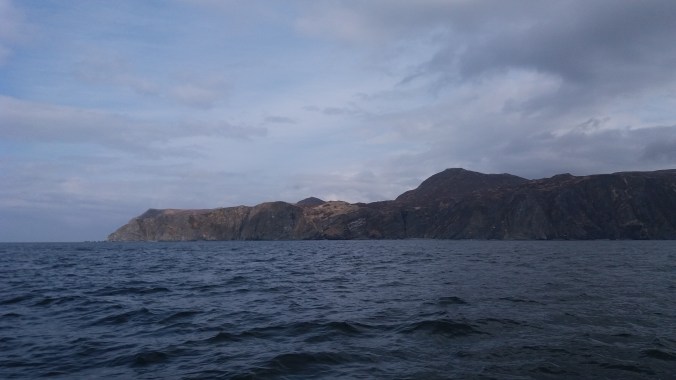
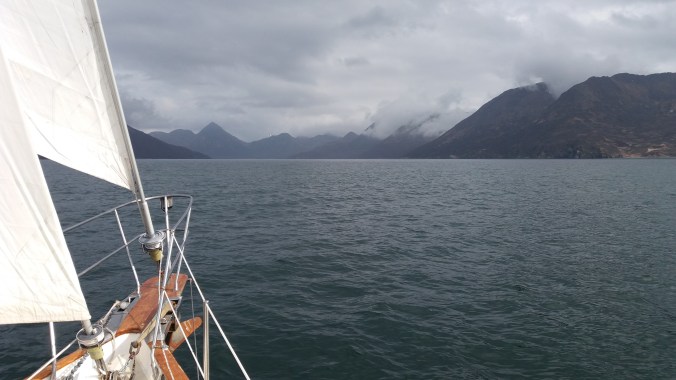
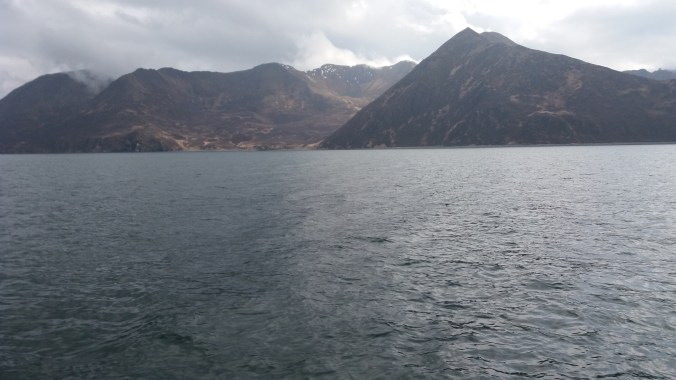
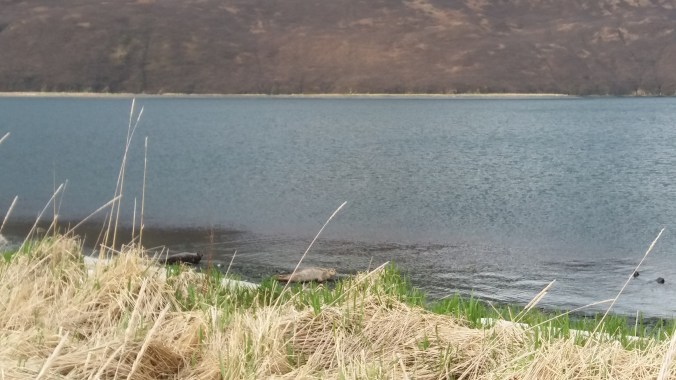
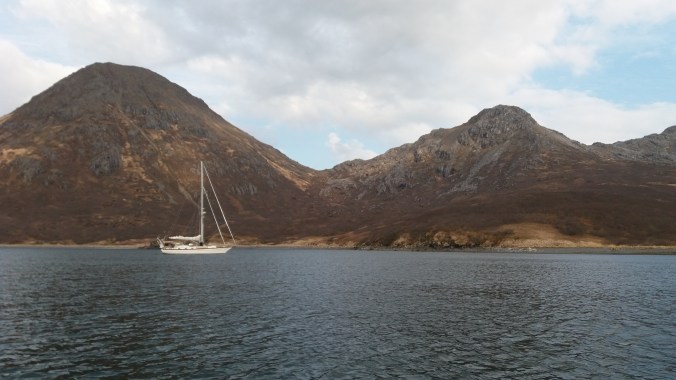
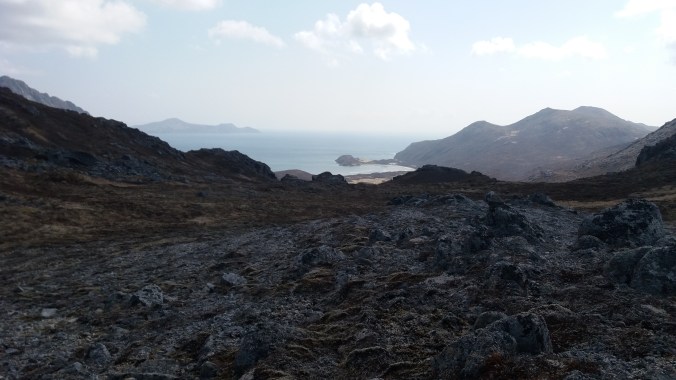
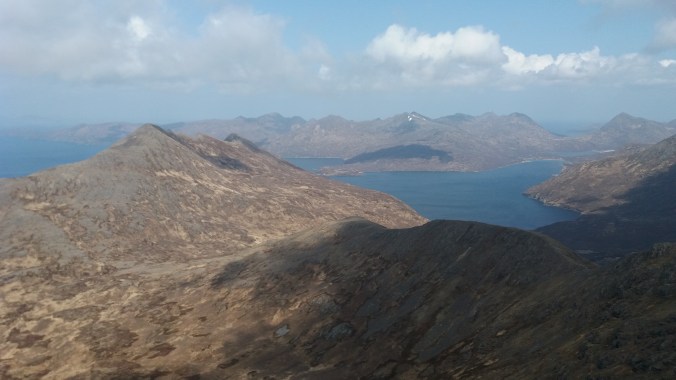
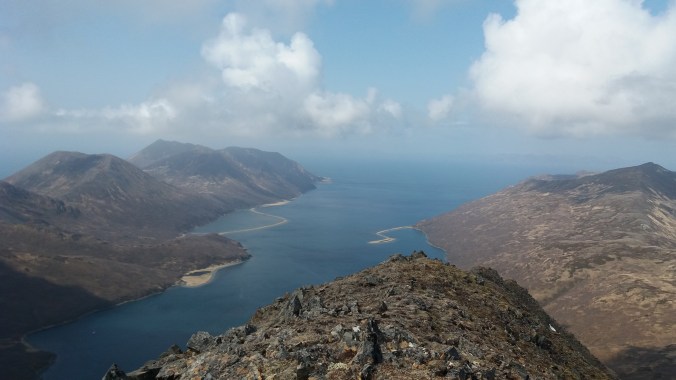
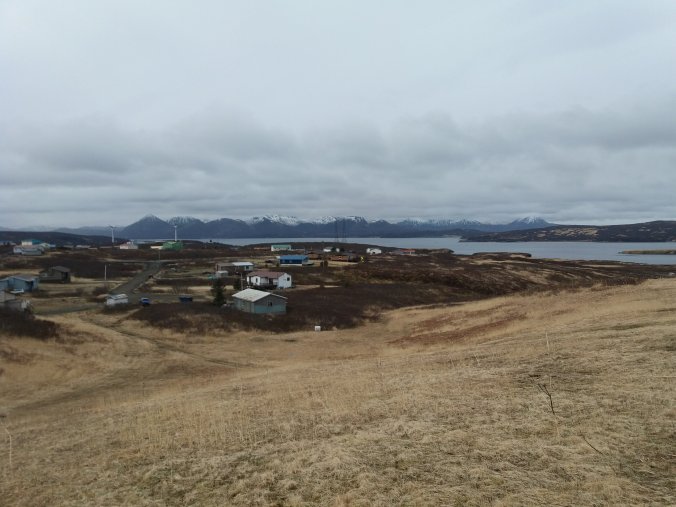
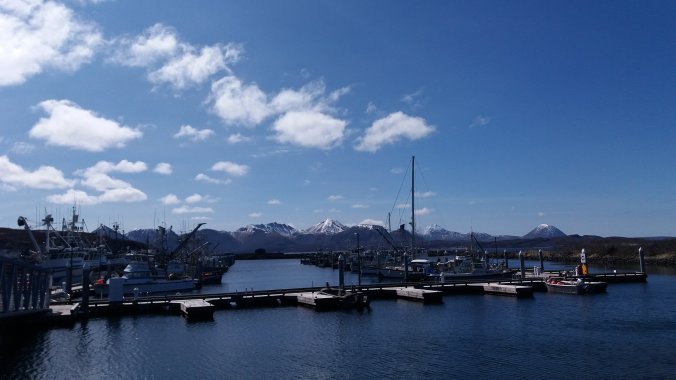
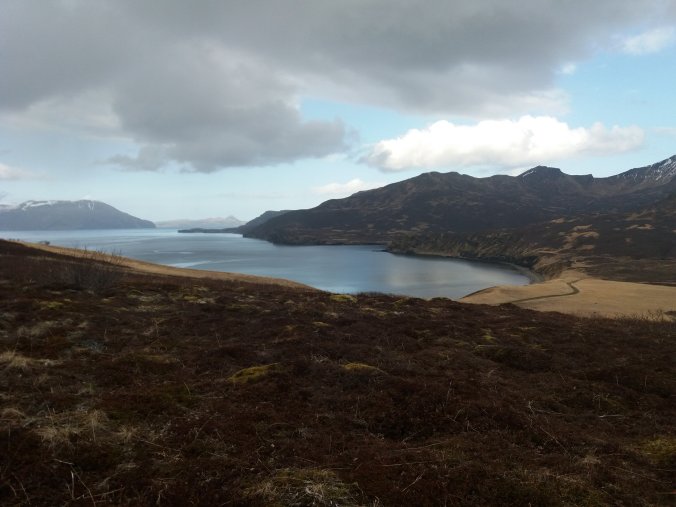
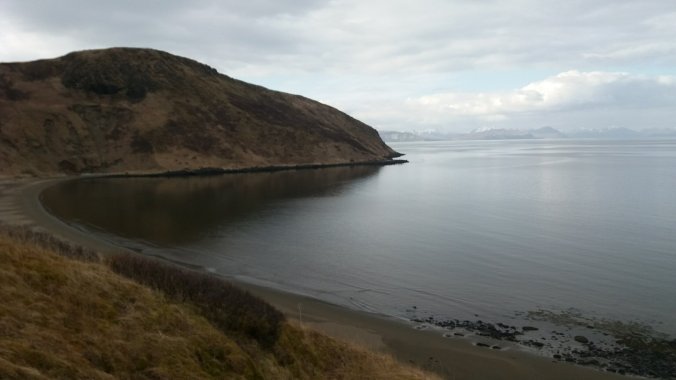
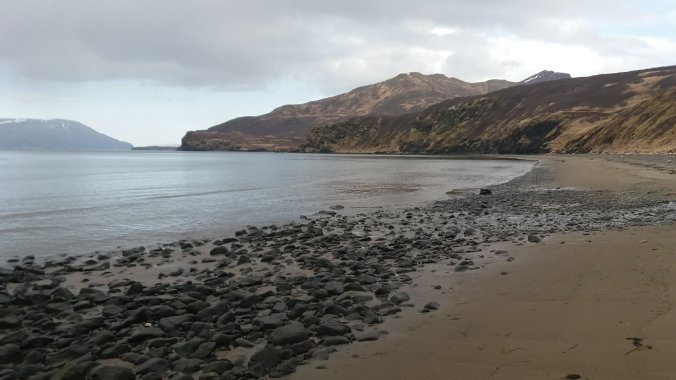
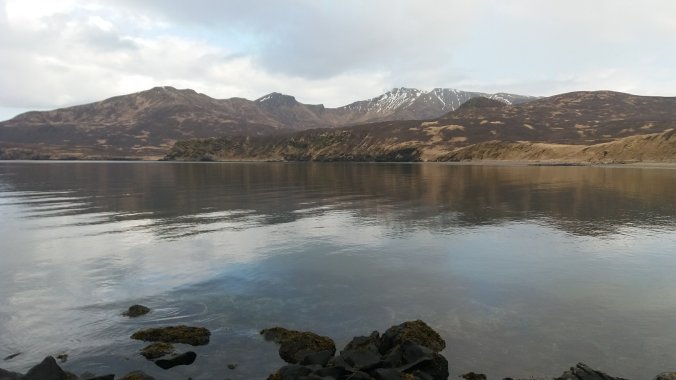
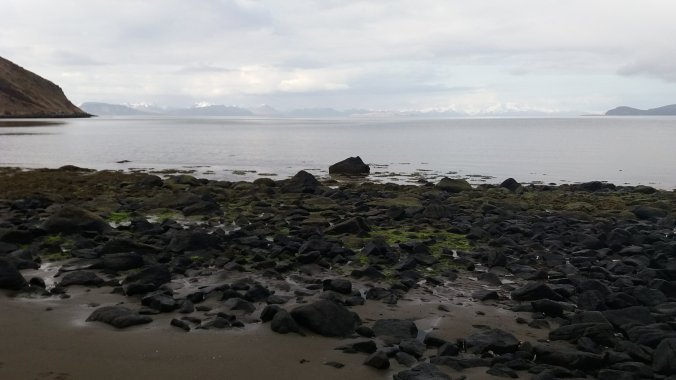
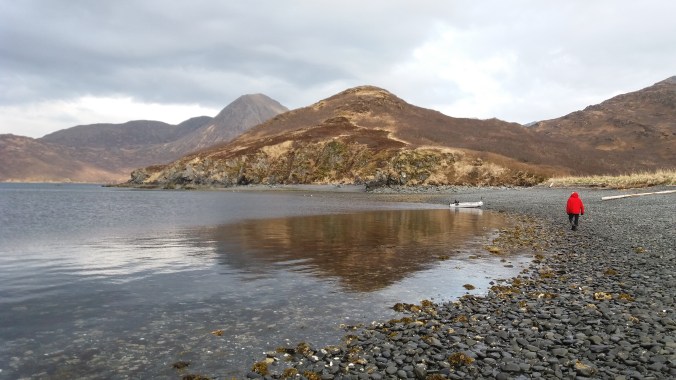
Here are some pictures of Nagai ,specifically Eagle Harbour, our first ascent (1701ft) and Mist Harbour. We had to come back to Sand Point due to some issues with our watermaker and the satellite phone, but will be back out this Sunday, after the «cincou de meiyou» celebrations here.

20180430_17534020180430_17561520180430_17570720180430_19450020180430_19455620180430_19484720180430_20063520180501_13471920180501_14485520180501_14502820180501_14521220180501_14522820180501_15013520180501_15572920180501_16573220180501_200018DCIM104GOPRODCIM104GOPRO


From Sand Point, Alaska, to the FIFA World Cup

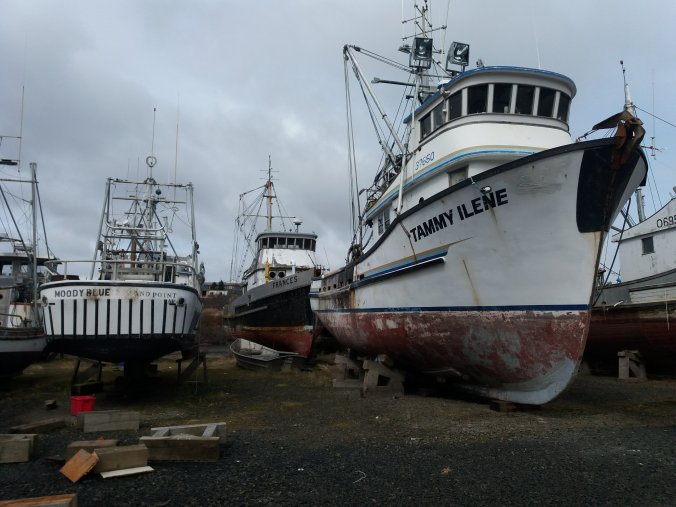
Four years ago, my brother, some friends and I went to the World Cup in Brazil. I then thought it extremely overrated and determined I would never go to a World Cup again. Yet, here I am, in Sand Point, Alaska, helping prepare a sailing yacht to cross over to Kamchatka and partake in the mayhem of the planet’s most important football event.

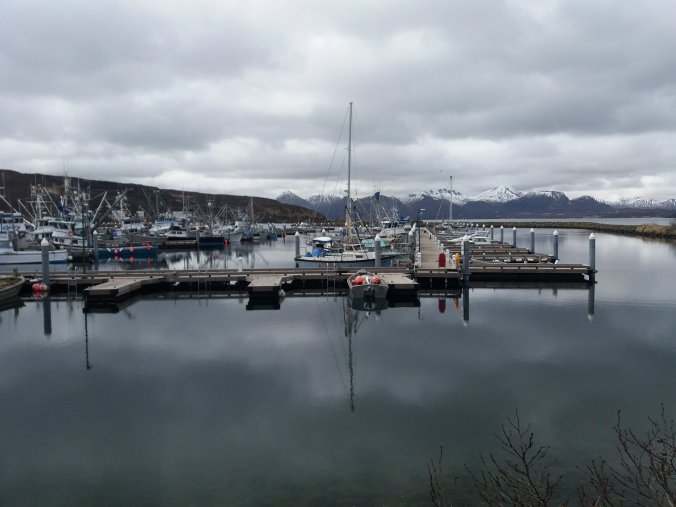
Internet is already quite unreliable and slow here on Popof Island, even at the local school’s public library, so these may be the only pictures I’ll share before the Mexico-Sweden game at Luzhniki Stadium in Moscow.

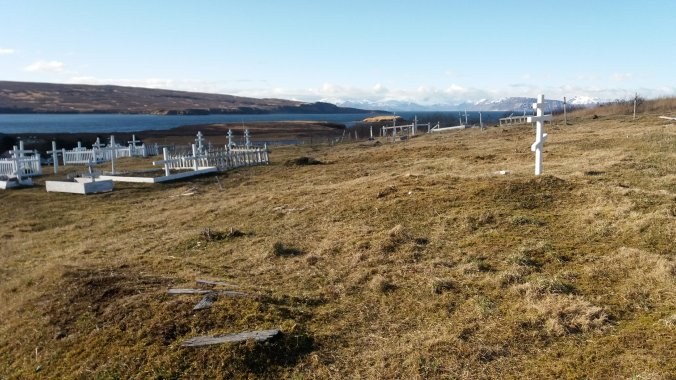
Nice as these pictures may be, they barely reflect the beauty of the Alaskan tundra.

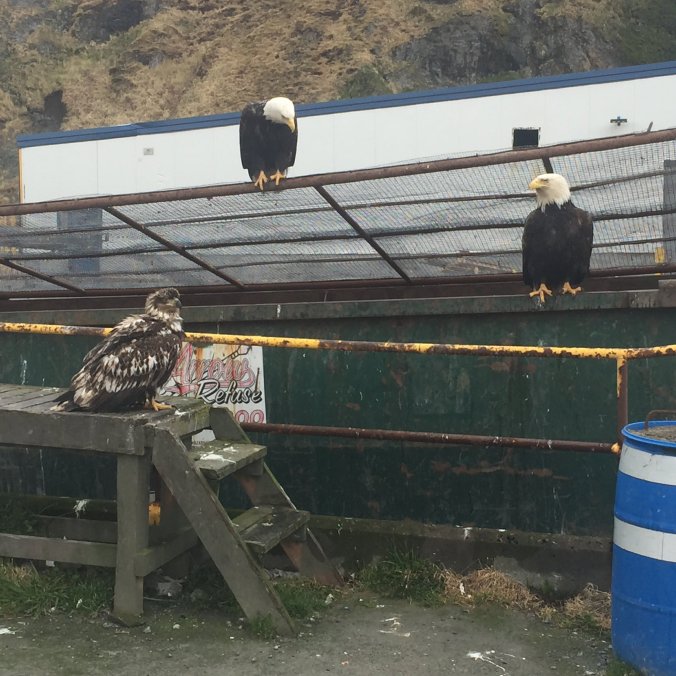
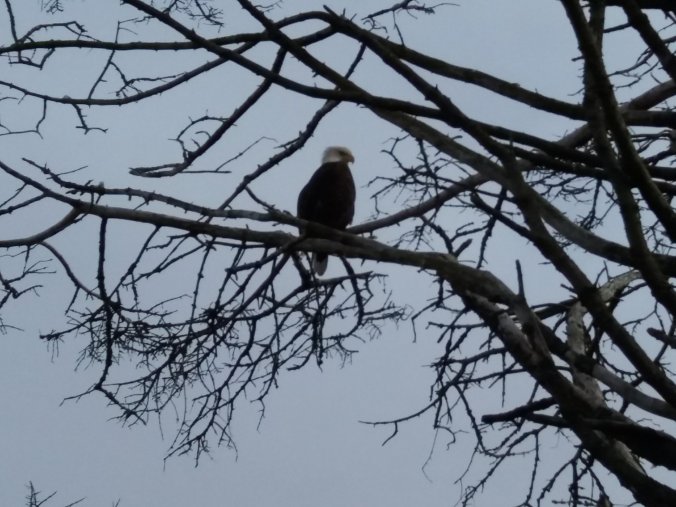
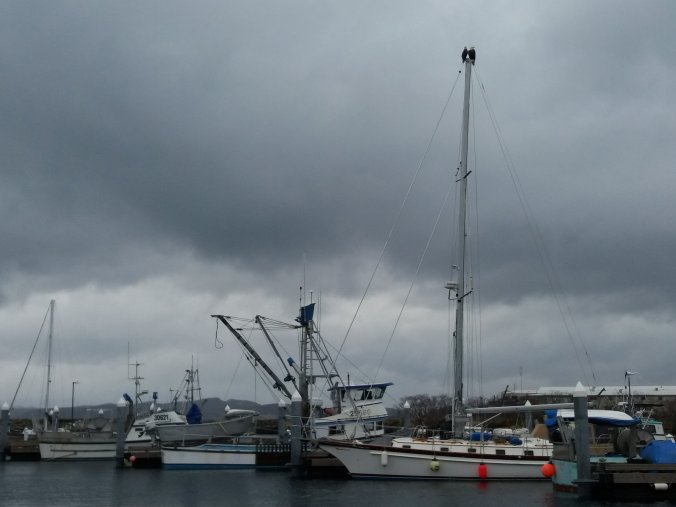
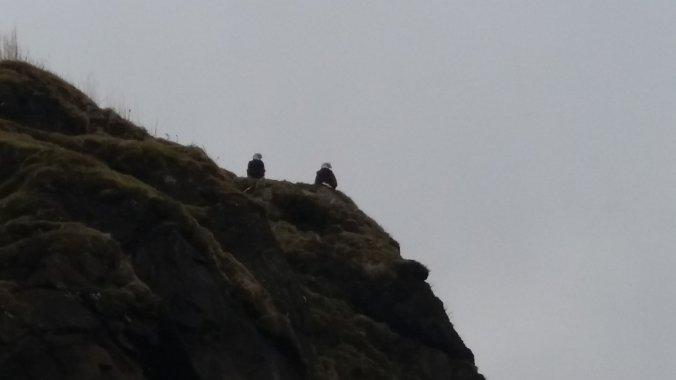
The S/Y ‘Whakaari’, guarded by two bald eagles.

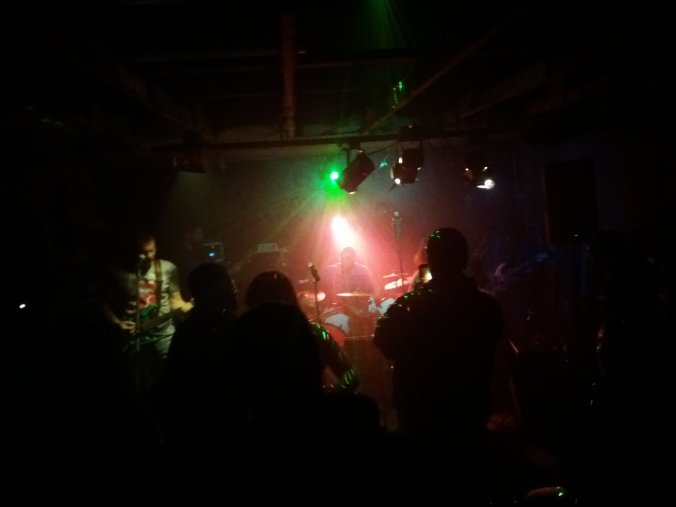
Saturday night at ‘The Jam’. Extremely talented local band playing, among others, awesome covers of Alice in Chains.

Sand Dollar Beach

Cocos (Keeling) to Rodrigues

With another sailing adventure on the horizon (from Sand Point, Alaska to Petropavlovsk Kamchatka), I again find myself full of unfinished material I’ve been meaning to publish on this blog, such as video, photos and stories from my Indian Ocean crossing. As a first step in this effort, here is some footage taken from Cocos (Keeling) to Rodrigues, a journey of 12 days and 2,007 nautical miles; roughly 3,700 km.

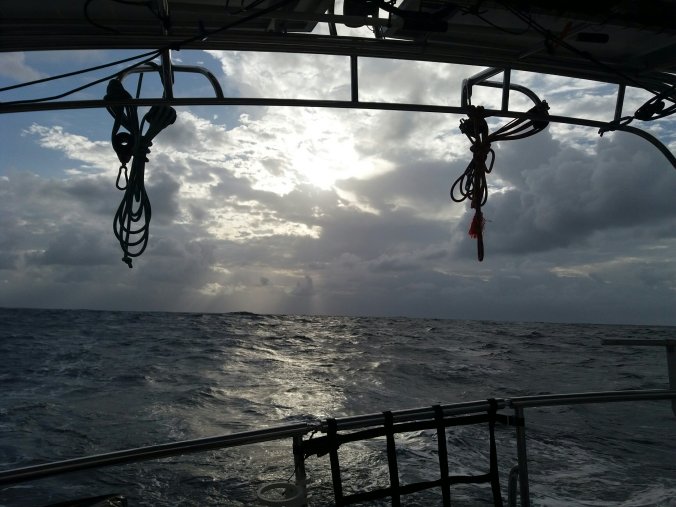
Early morning, fishing lines out:

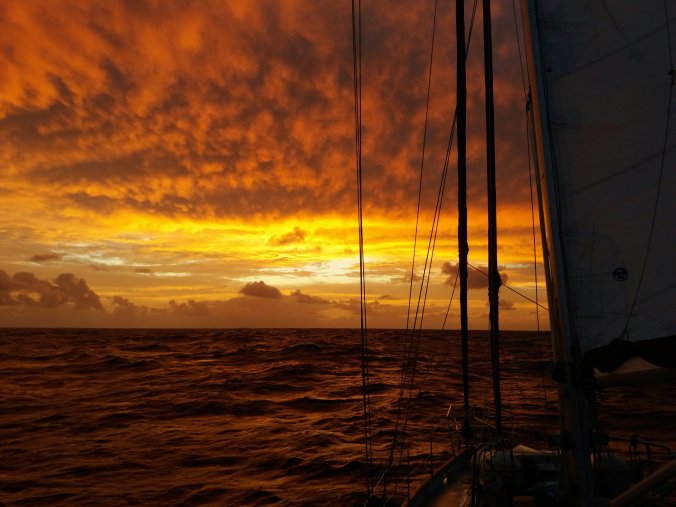
One of many stunning Indian Ocean sunsets.

Sometimes you are forced to watch the sunset with the engine on…

Rodrigues

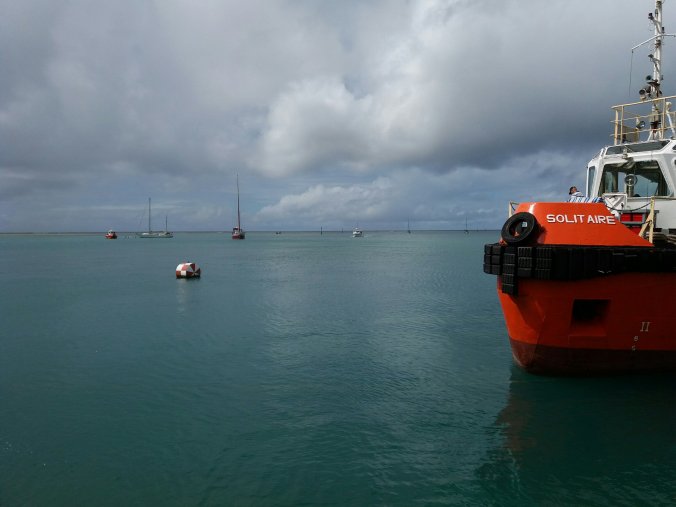
Coming into Port Mathurin

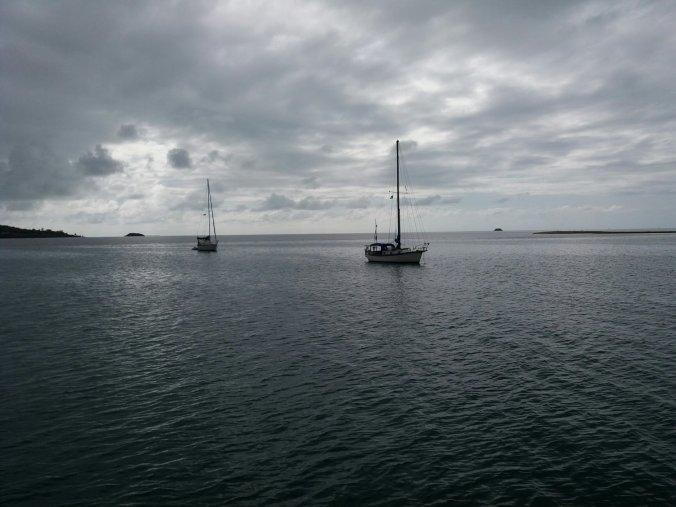
The anchorage

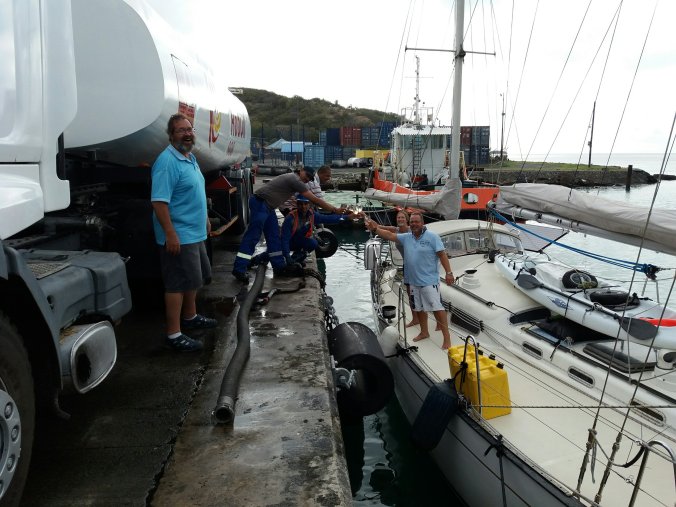
Refuelling with the utmost efficiency

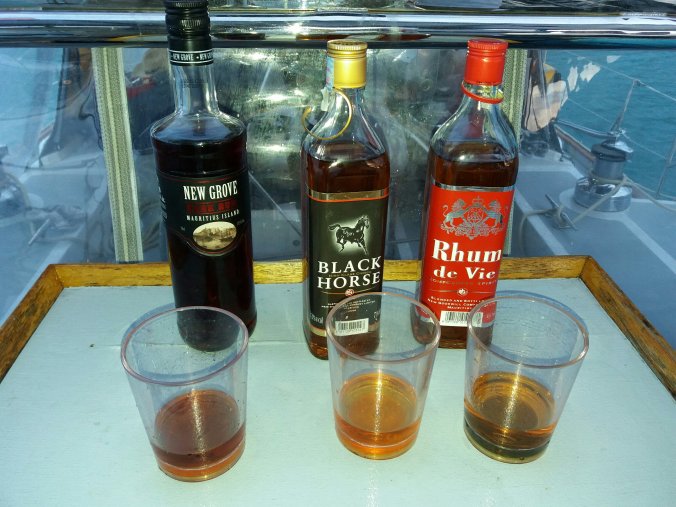
A little degustation before properly stocking up.

Rodrigues is a beautiful part of Mauritius, populated by genuinely hospitable people, which I strongly recommend to anyone wishing to escape to a paradise in middle of nowhere.