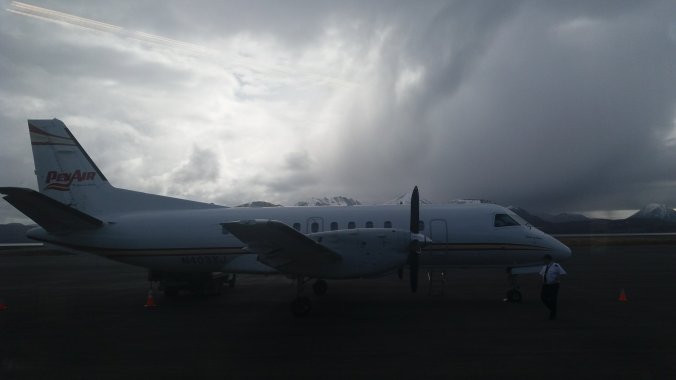
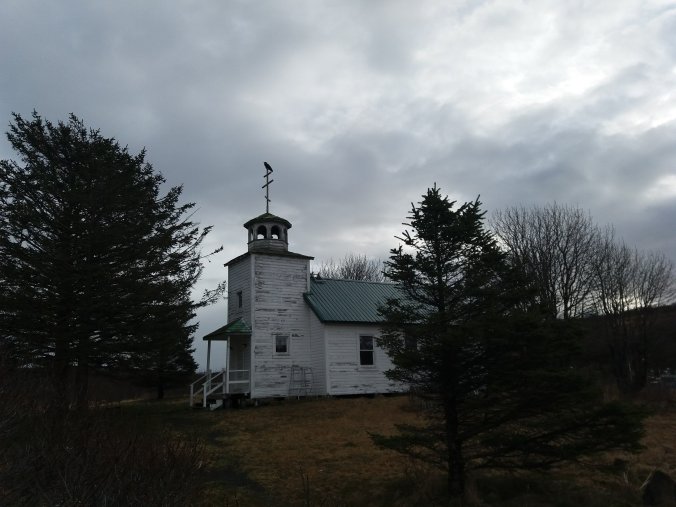
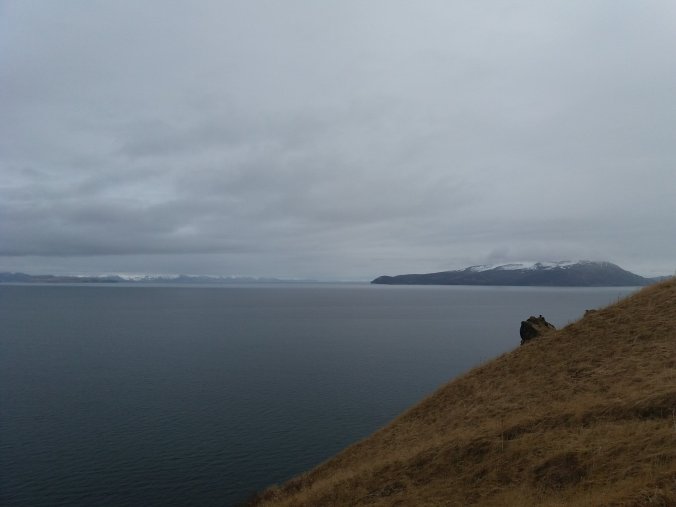
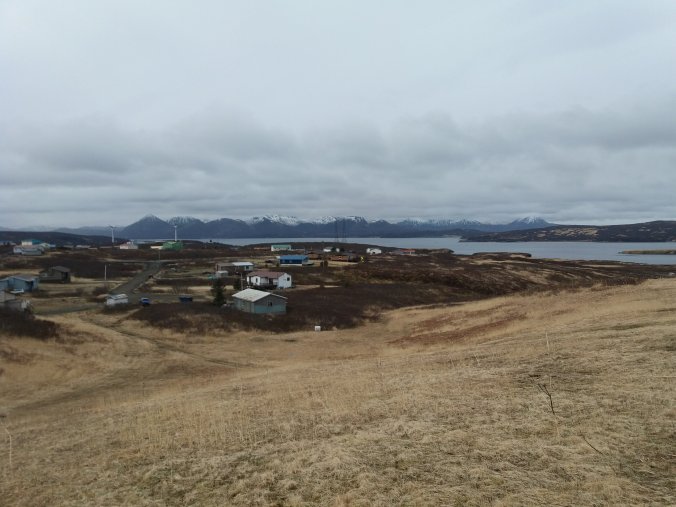
Down the corporate ladder and up the yard ladder

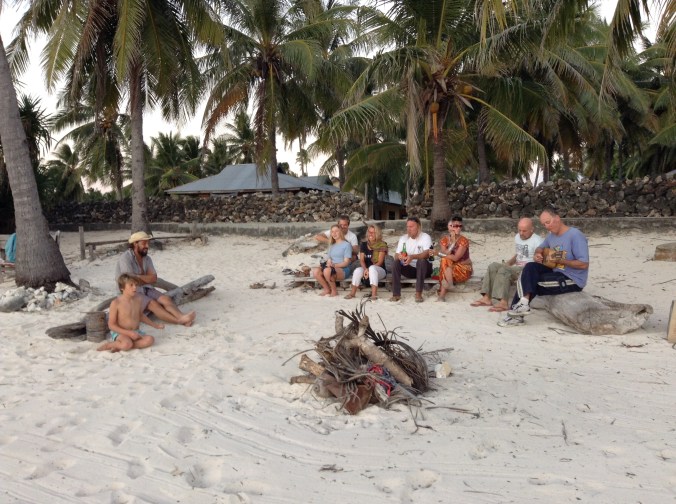
Three years ago I was on the beautiful island of Rote, Indonesia, with my mate Furlong, a.k.a. Sasha Mandinga, discussing with some Aussie surfers the feasibility of flying to Australia to learn how to sail and get jobs as deckhands. We had been enjoying touring across Indonesia on our motorbikes but realized that such an archipelago could only really be conquered by boat (if at all possible, considering its 17,000 or so islands).
IMG_0544.JPG

Not long thereafter, Furlong died and I was left to decide whether I should go back to the office life I had known for almost ten years and found unfulfilling or actually try to learn to sail and pursue the idea of cruising. Clarity (and courage) came during a Vipassana meditation retreat in Bali and, determined, I quickly found an opportunity to enslave myself at a sailing school in Phuket, Thailand. During my first year there I worked in exchange for experience and qualifications, became a yachting instructor and participated in a couple of regattas.
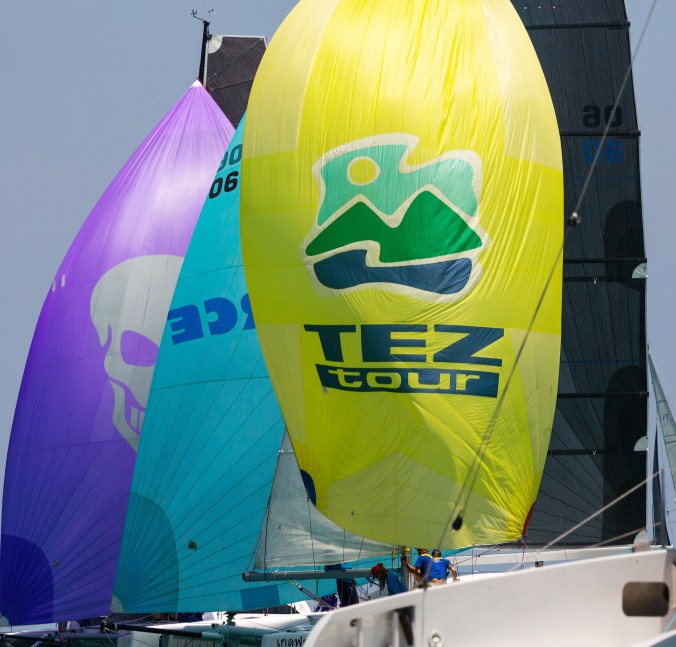
Picture from MBS / Cape Panwa Hotel Phuket Raceweek 2017

Tight rounding of the leward mark. Our team is flying the yellow spinnaker. Photo taken from SEA Yachting Magazine

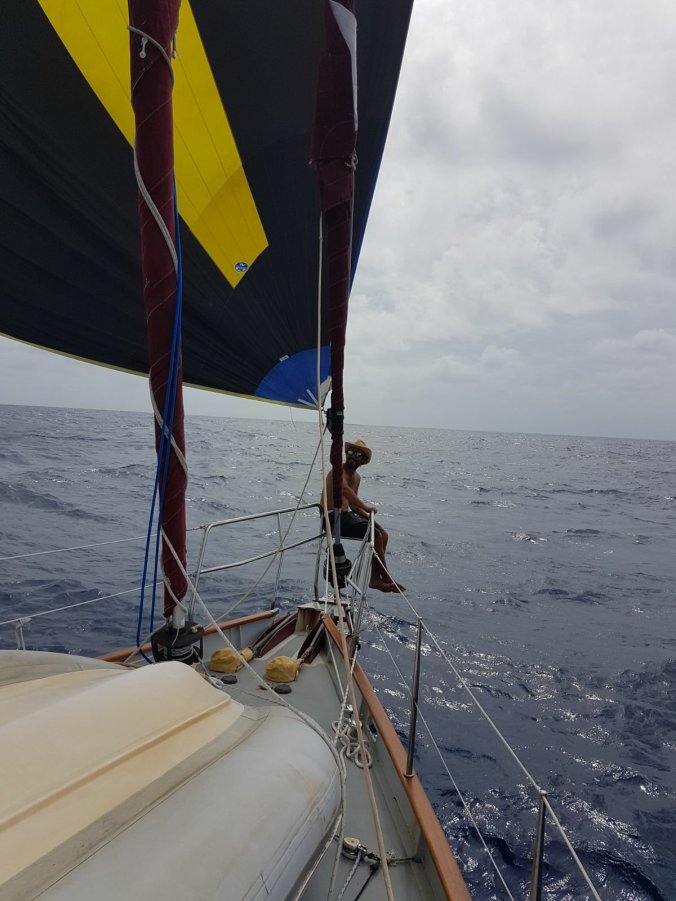
Life in Phuket was awesome and the sailing, great, so I decided to stick around for another year, this time paid just enough to cover my rent, some beers and Thai lessons. Within that second year I was invited to help Captain Norm take his 49ft Bruce Roberts across the Indian Ocean, an experience that only confirmed I had been right in staying away from the suits and ties, for, as Yann Martel’s Piscine Molitor so rightly puts it, «I [had] nothing to say of my working life, except that a tie is a noose, and inverted though it is, it will hang a man nonetheless if he’s not careful.»
As I was reaching the end of my second year in Thailand I felt I was living the life of a retired expat, lacking in mental and physical challenges, spending too much time and money at the Ship Inn, the local pub, and decided to look for another crewing opportunity, hoping for a paid one. This time, Captain Craig distracted my search with a crazy proposal: to sail east from Sand Point, Alaska, along the Aleutian chain, in freezing temperatures and against the prevailing winds, to Russia’s westernmost frontier, Kamchatka, and then south following the Kurils, to Hokkaido, Japan.

I had already seen his plan on a crewing website and didn’t even consider it. There was a Hallberg Rassy making its way to Phuket which would then head to Sri Lanka, the Maldives, Chagos and around the Cape of Good Hope. It was not a paid gig, but the fact that I had all the appropriate clothing (shorts and flipflops) and that a 15-minute ride to the marina would lead me half way around the world had an enormous appeal. For the Bering Sea, on the other hand, I would be subject to constant shit weather, have to spend heaps on gear and flights and go through the hassle of applying for a Russian visa. Had it not been for Craig’s email, I’d be snorkeling in some tropical paradise right now.

But Craig planted a seed. He mentioned he was looking for someone who spoke Russian and was keen on climbing volcanoes, which was enough for me to give his plan a closer look. It took about a month for me to make up my mind. In the meantime, I quit my job, the Hallberg Rassy arrived in Phuket, I had some beers with her very friendly Danish skipper and was very tempted to leave for Sri Lanka. But the seed was sprouting. I believe what decided it was the advice of my friends Ana and Jose, regulars at the above-mentioned pub. They put it very simply: there will always be another opportunity to sail to Sri Lanka and so on, but maybe never another to explore the Aleutian Islands.

So I called the crazy Kiwi, told him I was in and asked him what gear I needed. Aside from the obvious, he suggested I get some snow shoes (which he had to explain are not the same as snow boots), a gas mask, an immersion suit, avalanche kit and a sleeping bag appropriate for freezing temperatures; suggestions which only confirmed how insane the plan was. I then spent over a month shopping, packing, processing my visa, studying the weather and currents and making my way to Sand Point. At the same, as if I could juggle more crazyness, my friend Daniel, one of the owners of the beautiful Casa Blat Ha in Holbox, called me to say he knew of a good, cheap yacht for sale that I should buy. And so I did.

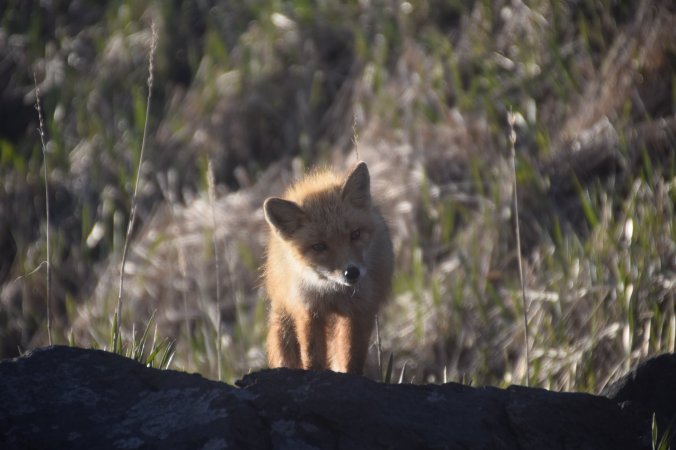
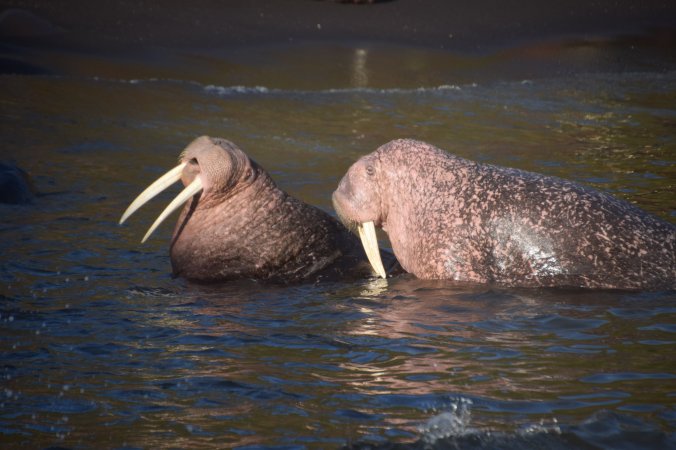
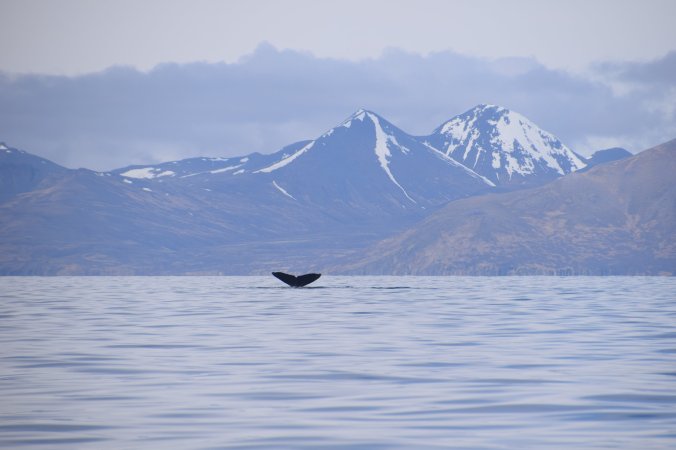
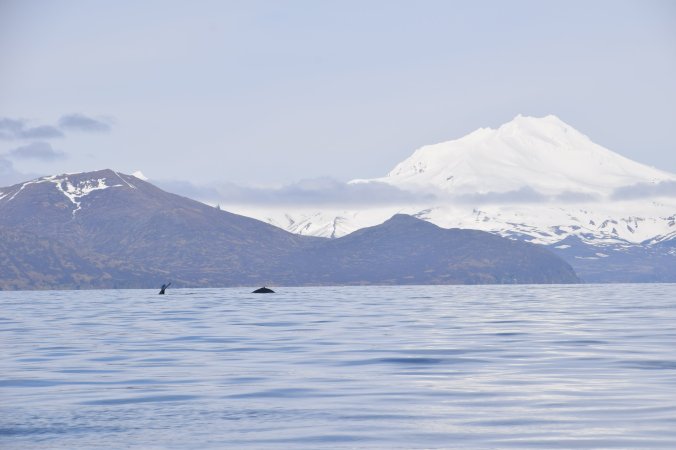
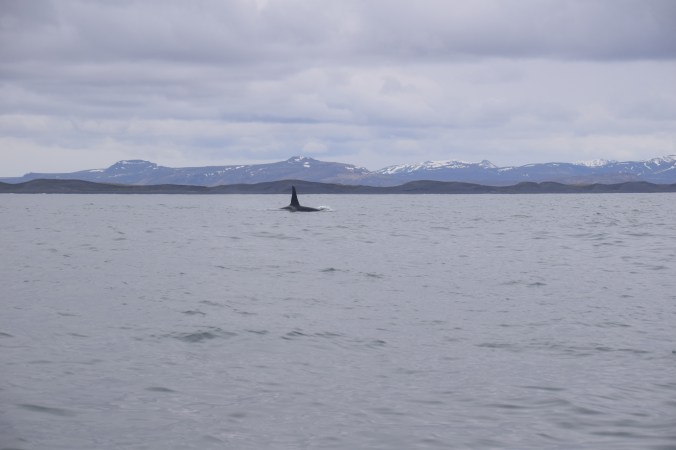
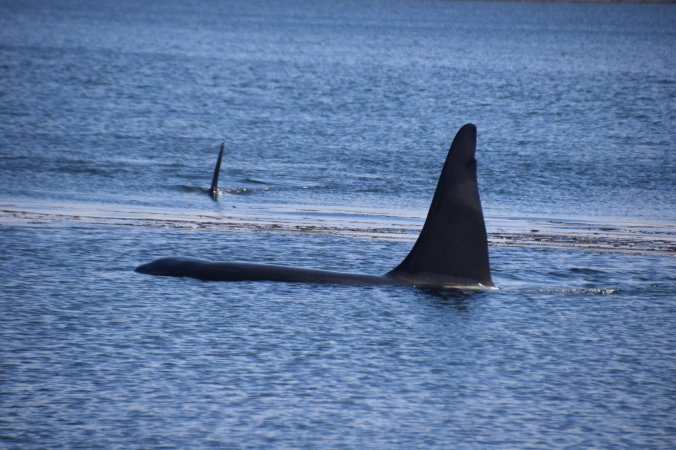
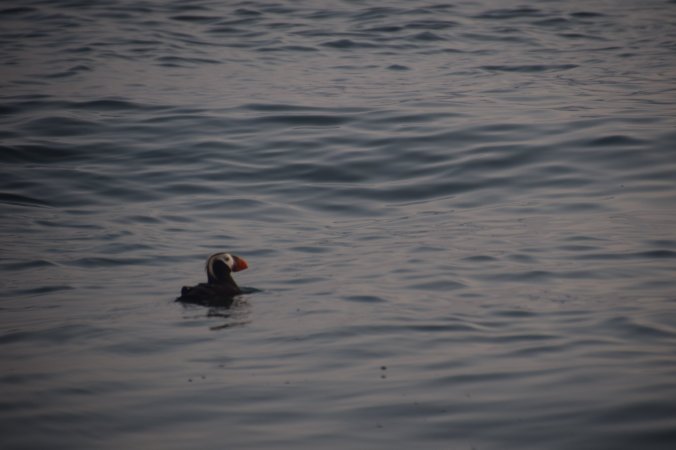
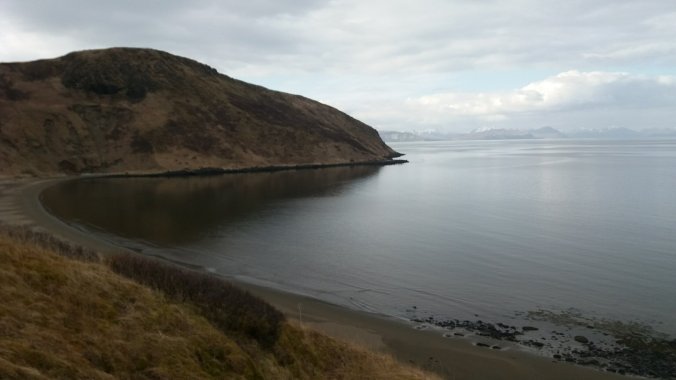
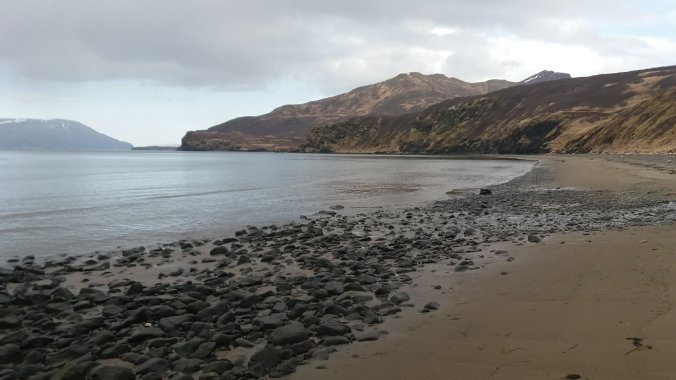
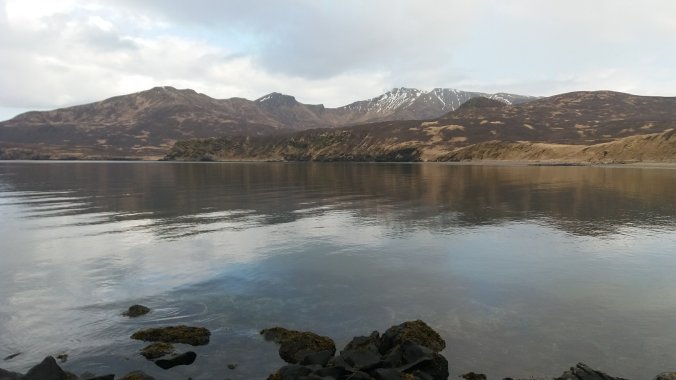
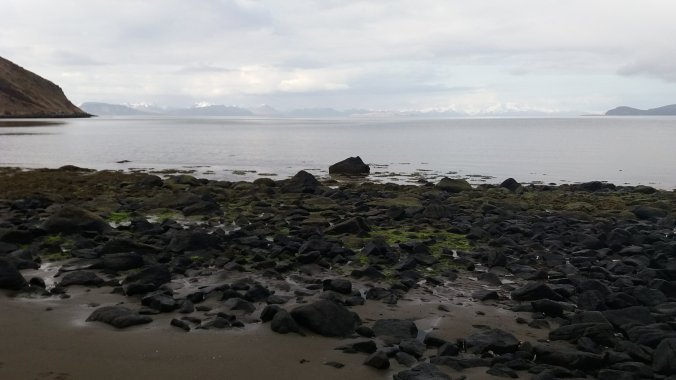
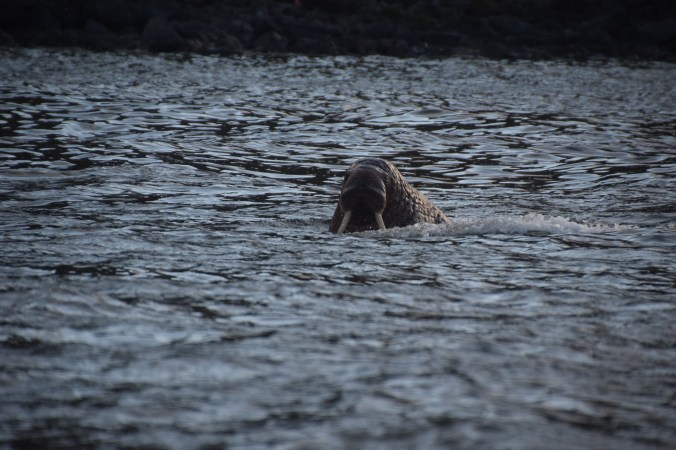
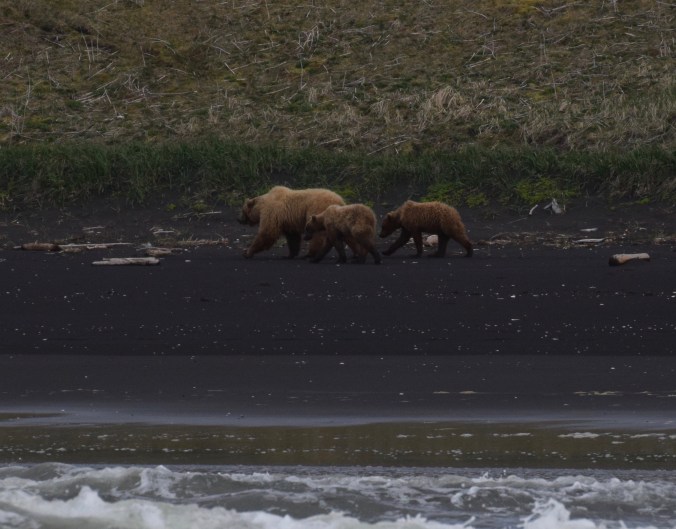
The journey from Alaska to Hokkaido proved indeed to be a once-in-a-lifetime experience, rich with adrenaline, challenges, surprises and lessons. In this blog I’ve shared some of these adrenaline-laden and challenging moments; I’ve written about the beautiful people we met every step of the way and have posted some crappy pictures of the amazing scenery and wildlife we were fortunate to encounter. Below are some taken by the more talented photographer, Craig, whose blog you can visit here.
DSC_0230

DSC_0229

DSC_0190

dsc_03311399432043.jpg

dsc_0279635571124.jpg

dsc_02971037936784.jpg

img_2136334130475.jpg

dsc_0402410870058.jpg

dsc_0407505710893.jpg

DSC_0333dsc_0758859373628.jpgdsc_0623522970454.jpg

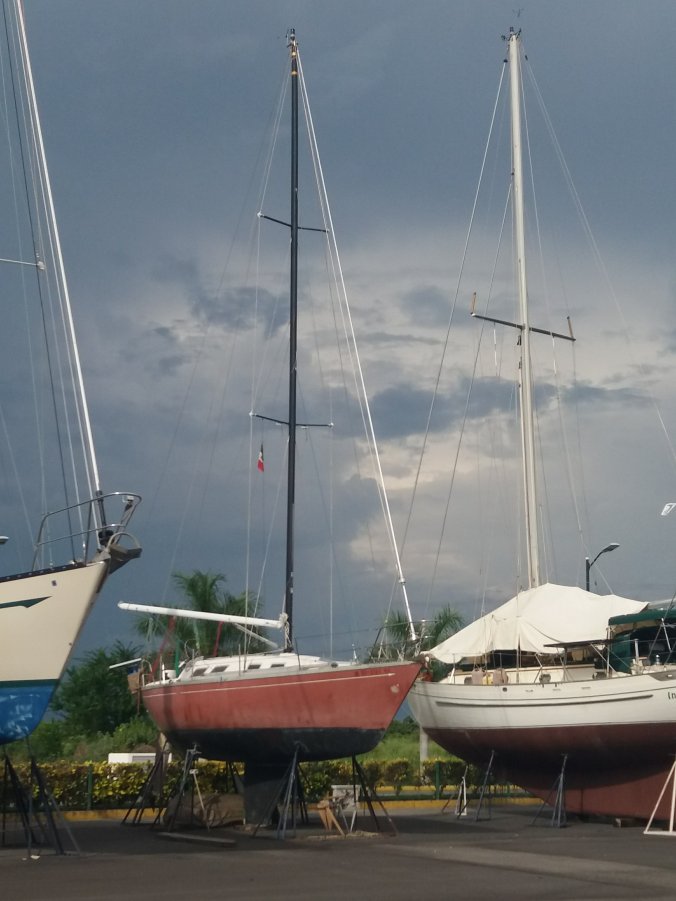
Concerning the lessons learned, Craig was a great Captain in that he delegated many maintenance tasks and repairs to me; lessons which now give me the confidence, if not necessarily the skills, to take on the challenge of restoring the S/V «Rossa», a 33ft Bayliner Buccaneer, to its former glory. Following three great weeks in Japan, I went back to Phuket, packed whatever stuff I had left and flew home to Mexico, where, after months of thinking about this 1979 fiberglass yacht, I finally found her in a boatyard in Puerto Chiapas, close to the border with Guatemala.
20180829_160315543917501.jpg

I’ve been here for almost two weeks, at first just staring at her, not knowing where to begin, then gradually tackling what I could manage, like organizing the tools left on board and buying what I felt was missing, then examining and mending her sails, and now I’ve moved on to what I am clueless about: plumbing and preparing the hull for a new paint job. Rossa’s previous owners were awesome in handling most of the woodwork the inside needs and still advise me when I get stuck. Youtube and Google haven’t been the great aids I had hope for, so I’m mostly learning from my mistakes, specially when fooling around with epoxy. Don’t expect the coming posts to teach how to restore your own boat.

Here’s a bit of what I’ve done so far:

De violaciones al derecho internacional a bordo de un velero

Hace unas tres semanas me encontraba a bordo de un velero en el estrecho de La Perouse, entre las islas de Hokkaido y Sakhalin. Habíamos zarpado diez días antes de Petropavlovsk-Kamchatski con apenas suficiente combustible para la mitad del trayecto hasta Japón, lo que nos forzaba a estar al pendiente del viento las 24 horas del día. Vientos leves y una espesa neblina nos obligaron a usar el motor mucho más de lo prudente y la tensión a bordo iba creciendo con cada litro de diésel que se evaporaba. Soplaban a penas ocho nudos y con las velas que llevábamos avanzábamos a escasos 2 nudos -que es la velocidad a la que alguien con bastante hueva camina. Estábamos a la vez tan lejos y tan cerca de nuestra meta. Sugerí entonces cambiar el foque por una genova dos veces más grande; vela que nunca usamos en el Mar de Bering, donde sufríamos ráfagas de hasta 50 nudos, porque hubiera o explotado en mil pedazos o doblado el mástil como si fuera un popote.

Una combinación de pequeños desgarres en el grátil de la vela y roturas en la pista del estay de proa hicieron que la vela se atorara encontrándose a poco más de medio camino. No había forma de izarla ni bajarla sin mandar a alguien a la verga para de ahí bajar en rapel por el estay y desatorarla. Debíamos actuar rápido porque, como siempre sucede en estas situaciones, el viento incrementó y amenazaba con despedazar la vela. El Capitán se ofreció para escalar el mástil y yo tomé el timón, tanto para evitar una colisión con alguno de los tanqueros o cargueros que también iban transitando por el canal como para tratar de suavizar el vaivén del barco y así evitar que el Capi se convirtiera en Volador de Papantla. Con la vela sacudiéndose enfurecida y el Capitán haciéndola de trapecista nos fuimos acercando a Rusia. Tan absorbido estaba yo en mi labor que no le presté atención a lo que sonaba a un juego de bingo transmitido por el VHF.

Después de casi una hora de lucha, con las manos ya ensangrentadas, el Capitán logró zafar la vela, que bajamos y dejamos hecha bulto sobre la cubierta. Poco después de retomar el canal navegación la Guardia Costera nos abordó. Cual Tamarindo en Día de las Madres, el oficial nos informó que quedábamos detenidos y el barco arrestado por penetrar en aguas territoriales rusas sin su autorización. Siendo el único a bordo que hablaba ruso, fui el único que se cagó encima. Habiendo desafiado y vencido los vientos y olas del Bering, los osos y las morsas de Alaska y la cirrosis en Kamchatka, nuestro viaje terminaría en una celda en Korsakov, si no en un gulag en Siberia.

Disimulé tanto como uno que se ha cagado encima cree poder disimular y empecé a alegar el derecho de paso en tránsito que toda embarcación tiene para navegar por un estrecho utilizado para la navegación internacional. Me concedió mi argumento, pero reviró preguntando, por un lado, por qué nos habíamos desviado del estrecho y acercado a menos de una milla de la costa y, por el otro por qué no había respondido a sus llamados por radio. Empezaba una ronda de final del Jessup (competencia mundial de derecho internacional en la que participé de estudiante), de aquellas donde ya no se trata tanto de qué sabes, sino como lo vendes y que tan bien caes.

En respuesta a lo primero, le hablé de las broncas que tuvimos con la vela, apuntando al enorme bulto que yacía sobre la cubierta, y de como eso constituía una fuerza mayor; a lo segundo, que estando en un estrecho altamente transitado, yo había estado a cargo de monitorear el VHF y que no había escuchado los llamados, quizás por el caos que teníamos sobre la cubierta; probablemente por mi limitada maestría de su idioma. Con cara incrédula, repitió que nos llamaron una decena de veces, indicando nuestras coordenadas. Por fin entendí qué era aquello que me había sonado como un juego de bingo. En lugar de llamarnos por el nombre del barco, que es un dato publico visible en AIS (un sistema muy chingón que a través de GPS te permite ver la ubicación de cualquier barco en el planeta, su nombre, características, signo distintivo, rumbo y velocidad), habían guacareado una docena de números, en chinga, que con mi nivel de ruso no habían hecho mucho sentido. Me disculpe por mi ineptitud. El oficial prosiguió con su madriza preguntando por qué, si teníamos una situación de fuerza mayor, no habíamos informado a la Guardia Costera. Su argumento me hizo sentido desde el punto de vista jurídico pero en la práctica, con un capitán en la verga, una vela a punto de reventar y la esperanza de que pudiéramos resolver el problema en pocos minutos, no; argumento que traté de explicarle a la muy seria autoridad.

No lo convencí y ofreció que alegara esta postura ante los jueces de Korsakov, a donde nos remolcarían si no le echaba más ganas. Para esto, el Capitán ya intuía que nos estaba yendo mal. Le explique que nos estaban arrestando y ¡claro! se cagó. Ante la pena de ver su cara torcerse, prometí que eso no sucedería.

Repetí tres veces la misma historia y argumentos, les juré que había sido sin querer queriendo, que lamentaba si se nos había hecho fácil y que sólo eramos unos inocentes e ignorantes veleristas tratando de llegar a Japón para celebrar mi cumpleaños en tierra, sin intención alguna de volver de ilegales al país que tan bien nos había acogido semanas antes. Todo esto en un ruso tarzanesco pero lleno de sinceridad y confianza. Por fin conseguí que el oficial y sus marineros se rieran.

El oficial se retiró a discutir el caso con sus colegas y volvió al cabo de 10 minutos, nuevamente serio, a pedirnos nuestros pasaportes y los documentos del barco. A pesar del pequeño triunfo, mi experiencia previa con Tamarindos me hizo pensar que una vez entregados los papeles no los volveríamos a ver hasta cumplir nuestra pena en el gulag o pagar una buena mordida. Volví a implorar. Le pedí que me ayudara a ayudarle. Le hablé del respetable desempeño de la selección rusa en el mundial y de lo guapas que me parecen las rusas. Las risas volvieron y el oficial, habiendo percibido mi angustia, prometió que solo les iban a sacar unas copias, levantar un acta y que nos soltarían.

Traduje todo al Capitán, quien accedió a entregar nuestros documentos. Pasó otra media hora y me pasaron el acta a revisión y firma. Cual acta de Ministerio Público mexicano, estaba ininteligible, además de en ruso, pero siguiendo mis costumbres arraigadas de lic., la rubriqué y le sugerí al Capi firmarla.

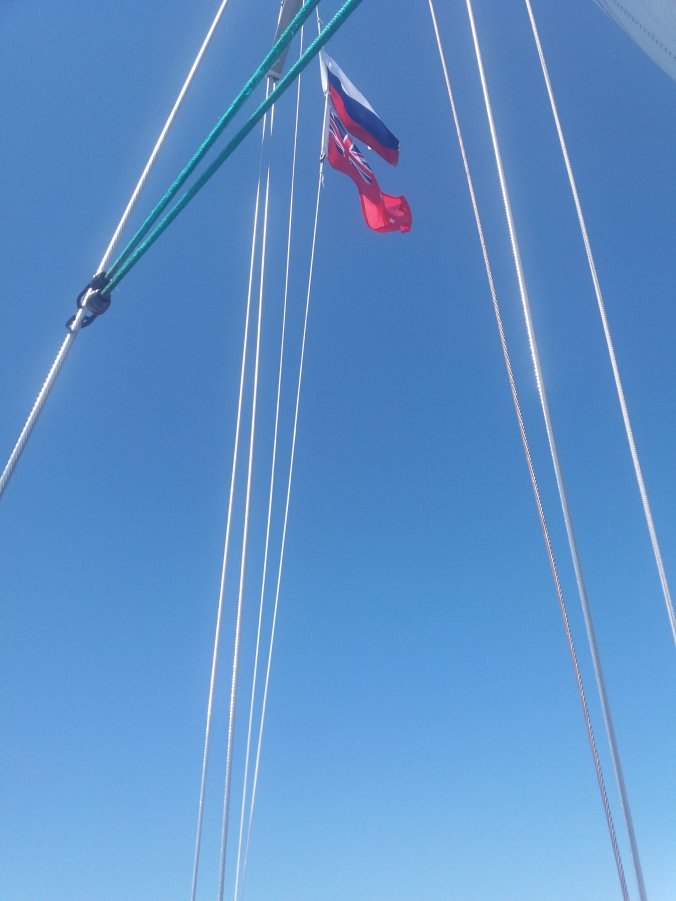
Nos devolvieron nuestros documentos y soltaron sus amarres, no sin antes recordarnos la obligación de enarbolar su pabellón mientras navegaramos en aguas territoriales rusas.


Por supuesto que, como siempre sucede en estas situaciones, el viento murió en cuanto nos soltaron y tuvimos que usar el motor para alejarnos de Rusia. Cargado de adrenalina, baje por nuestra última botella de vodka. En eso, sobre una cama, noté la caña de pescar de uno de nuestros flamantes tripulantes, húmeda y con el anzuelo enredado en algas, y antes de poder echarme el primero de varios caballitos necesarios para calmar mi ritmo cardíaco, le tuve que mentar la madre y explicar que bajo el derecho internacional no constituye paso inocente el andar pescando, que por su culpa ¡hubiéramos podido acabar en un gulag!

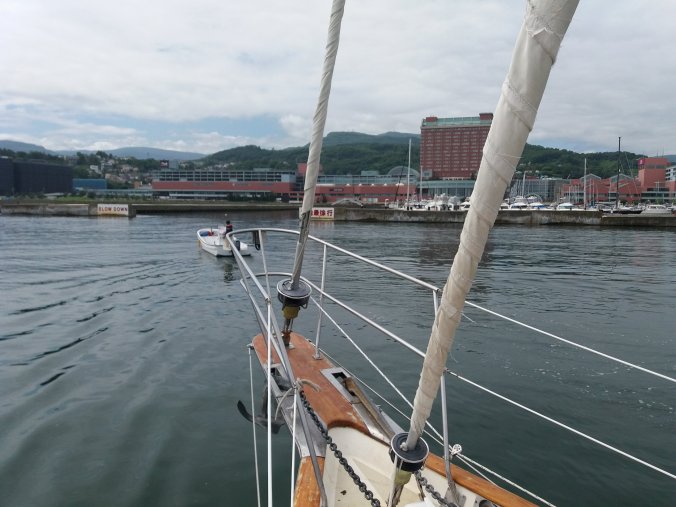
Contra todo pronóstico meteorológico, esa noche se levó el viento y dos días después, con los vapores en reserva, llegamos a Otaru en Hokkaido, donde pasamos mi cumpleaños comiendo sashimi, bebiendo Sapporo y echando el karaoke.

The People of the Ring of Fire

In my last post I mentioned my concern at having reached the climax of the trip while sailing along the Aleutian Islands, and how this concern proved unfounded when we reached Kamchatka.

I then left Russia quite sad, feeling I had barely scrapped the surface of this remote frontier and convinced I would do all in my power to return as soon as possible.

I was not overly excited about arriving to Japan and thought I’d soon thereafter confirm the end of my trip and board a plane to Phuket or Mexico. And again, I was proven wrong.

Otaru, on the island of Hokkaido, is one of the most amazing places I have ever been to. It’s inhabitants are extremely friendly and welcoming, the town very beautiful, the weather perfect (sometimes even too hot for us accustomed to the cold of the Okhotsk and Bering seas), Otaru Beer, simply delicious, and their tradition of Taiko drumming, breathtaking. We were fortunate to arrive right before a three-day festival which commemorates the anniversary of the town and offers a tribute to the sea. Three days of eating street food, dancing, drinking, exchanging smiles with gorgeous girls clad in kimonos, karaoke, Taiko and parades.

I am not a volcano enthusiast to the degree of my Captain, Craig, and while I can readily admit that volcanoes create the most stunning scenery on this planet, following this incredible journey which started in Sand Point, where the people treated us like family, all through Alaska and on to Kamchatka and Hokkaido, it is the love and fire-filled people of this part of the Ring, including my crewmates, who will forever remain engraved in my heart and who make me want to come back as soon as my newly acquired sail boat is fit to cross the Pacific.

But I am also ready to admit, after so many pleasant surprises, that this world is full of smiles and that my plans may derail as I attempt to make it back. And that is my most valuable lesson and the Truth that will for long, if not forever, keep me from returning to a monotonous desk job routine. A wise man born in the same town as I once said that to live is to travel (H.C. Andersen). I guess he was right.

From Sand Point, Alaska, to the FIFA World Cup

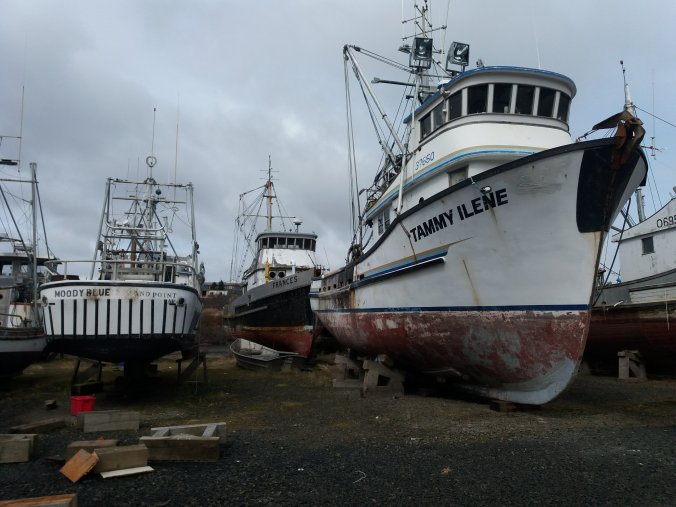
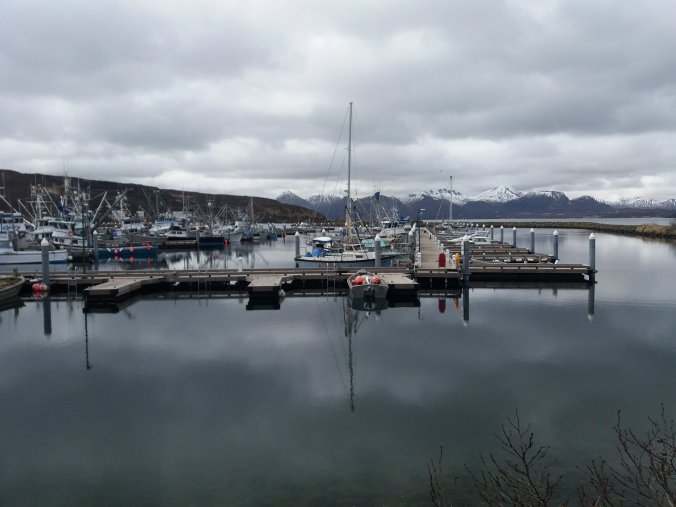
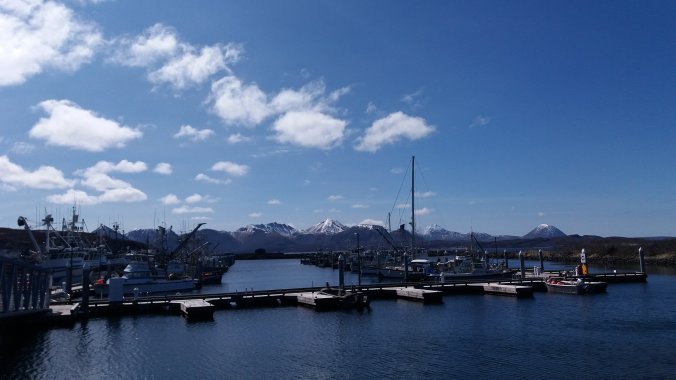
Four years ago, my brother, some friends and I went to the World Cup in Brazil. I then thought it extremely overrated and determined I would never go to a World Cup again. Yet, here I am, in Sand Point, Alaska, helping prepare a sailing yacht to cross over to Kamchatka and partake in the mayhem of the planet’s most important football event.

Internet is already quite unreliable and slow here on Popof Island, even at the local school’s public library, so these may be the only pictures I’ll share before the Mexico-Sweden game at Luzhniki Stadium in Moscow.

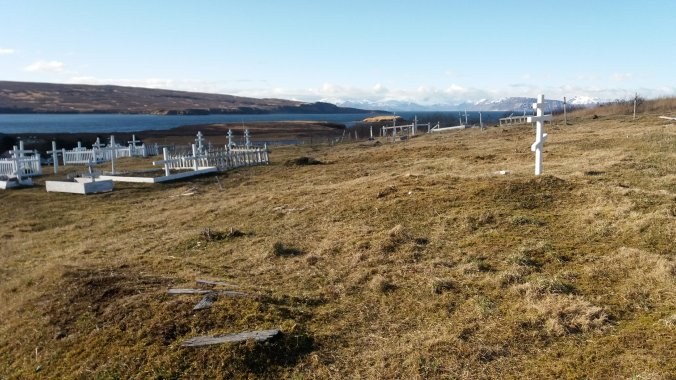
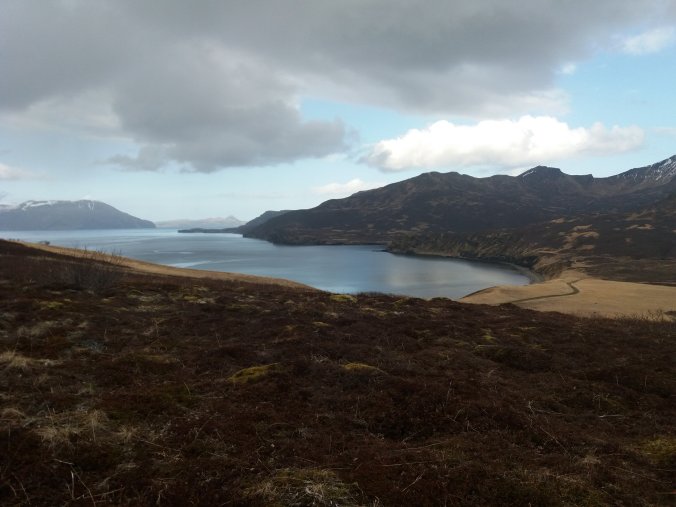
Nice as these pictures may be, they barely reflect the beauty of the Alaskan tundra.

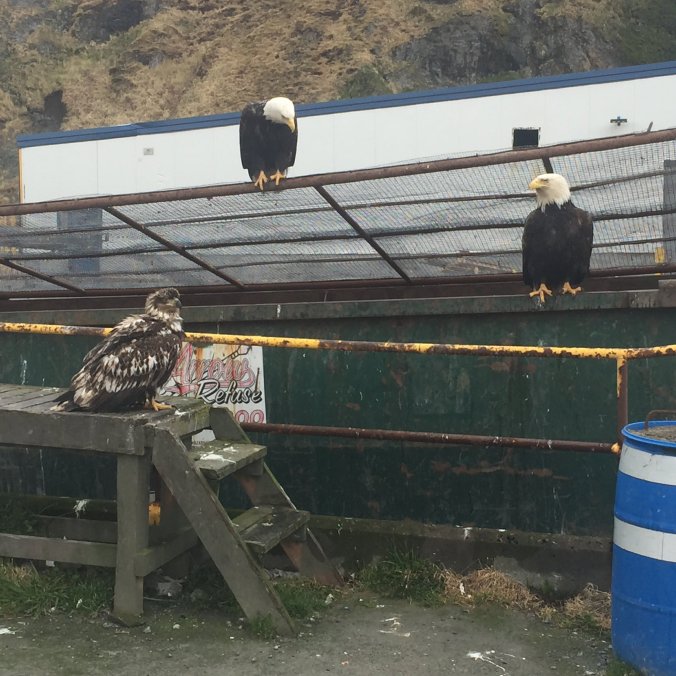
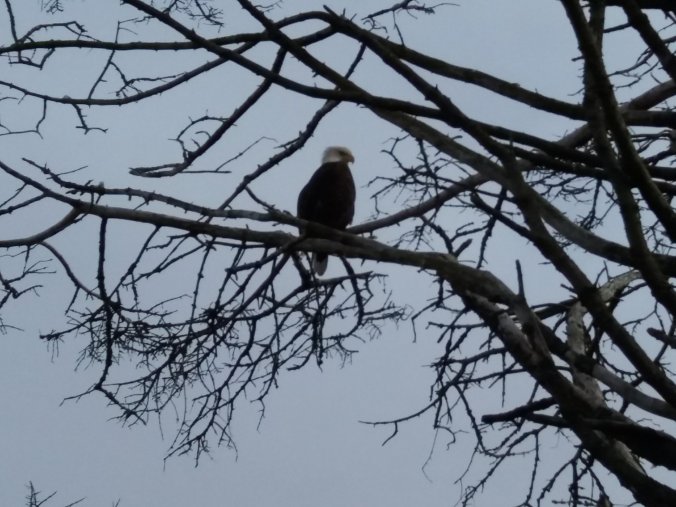
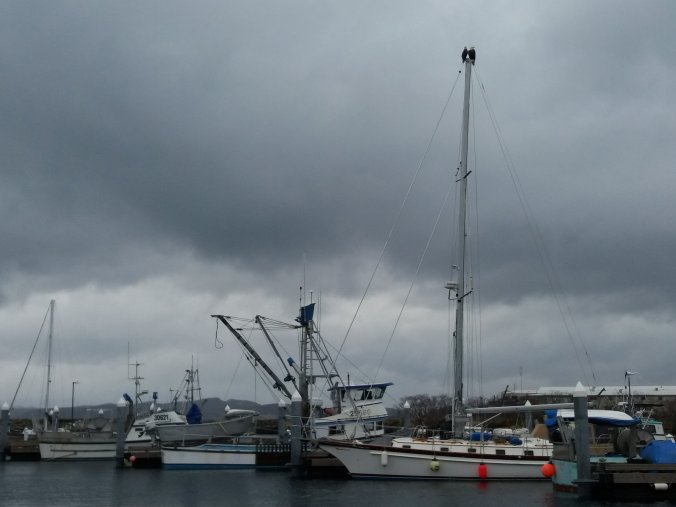
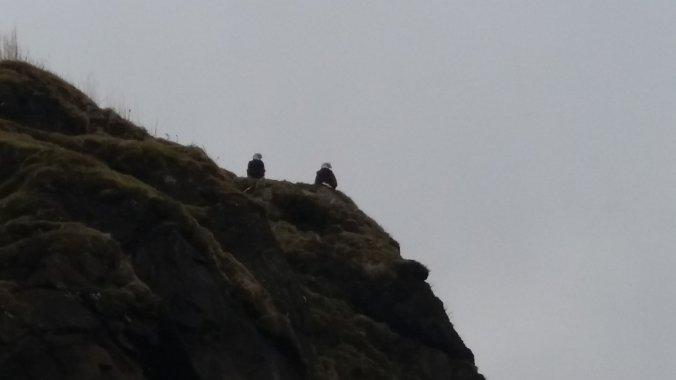
The S/Y ‘Whakaari’, guarded by two bald eagles.

Saturday night at ‘The Jam’. Extremely talented local band playing, among others, awesome covers of Alice in Chains.

Sand Dollar Beach

Cocos (Keeling) to Rodrigues

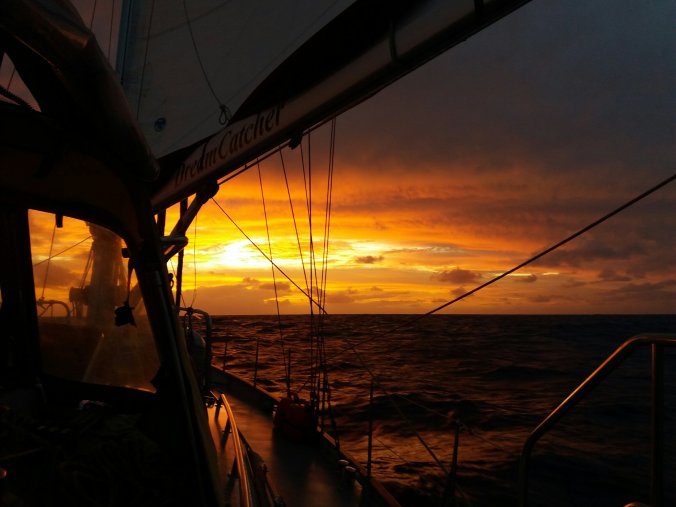
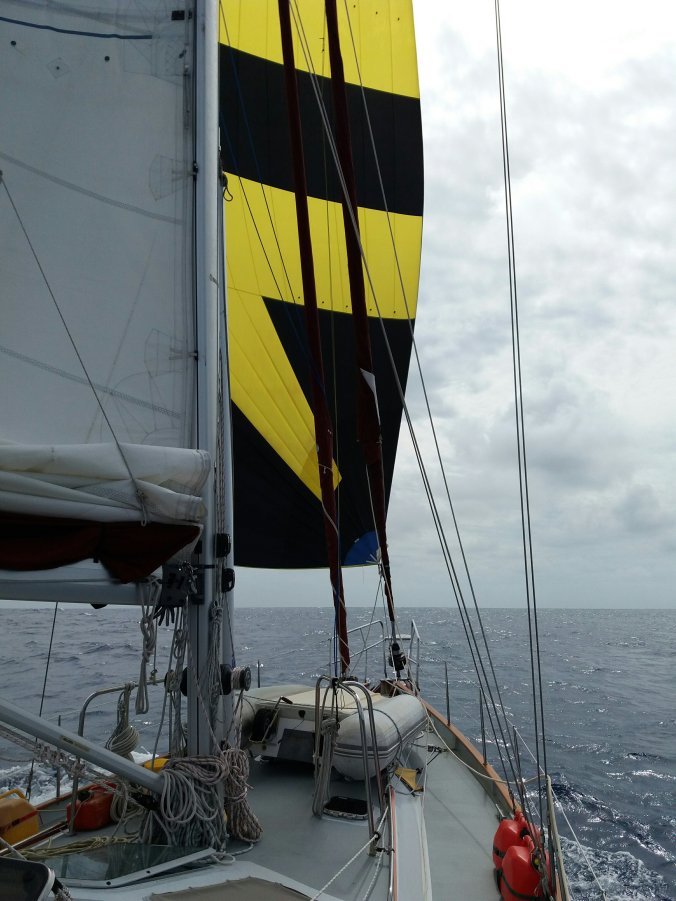
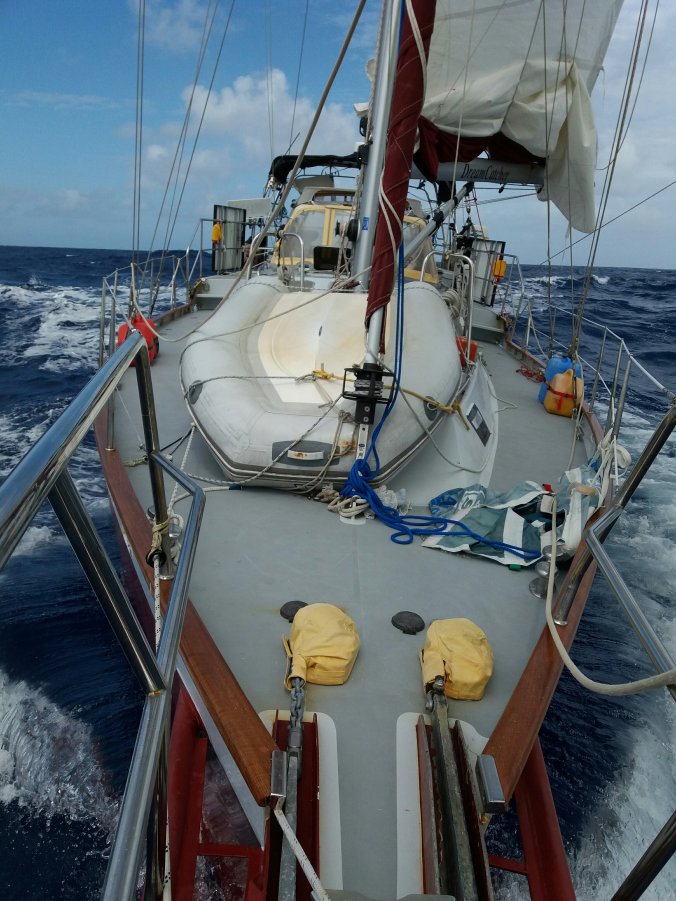
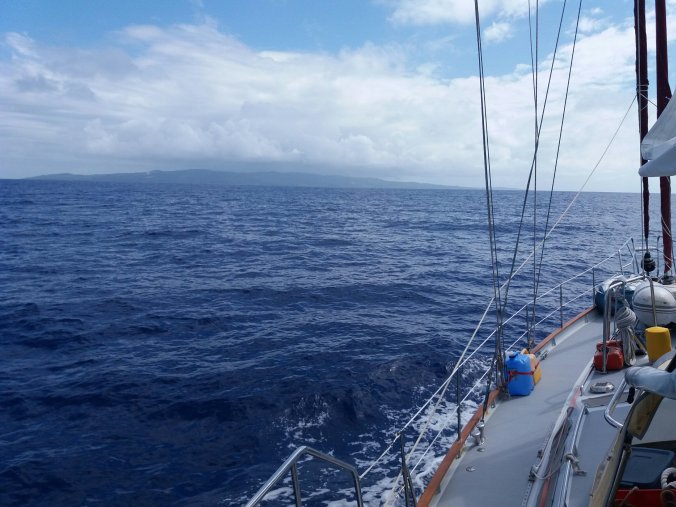
With another sailing adventure on the horizon (from Sand Point, Alaska to Petropavlovsk Kamchatka), I again find myself full of unfinished material I’ve been meaning to publish on this blog, such as video, photos and stories from my Indian Ocean crossing. As a first step in this effort, here is some footage taken from Cocos (Keeling) to Rodrigues, a journey of 12 days and 2,007 nautical miles; roughly 3,700 km.

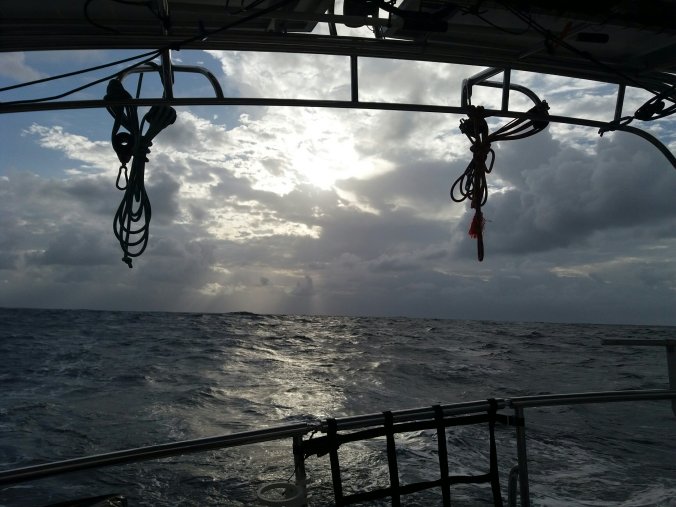
Early morning, fishing lines out:

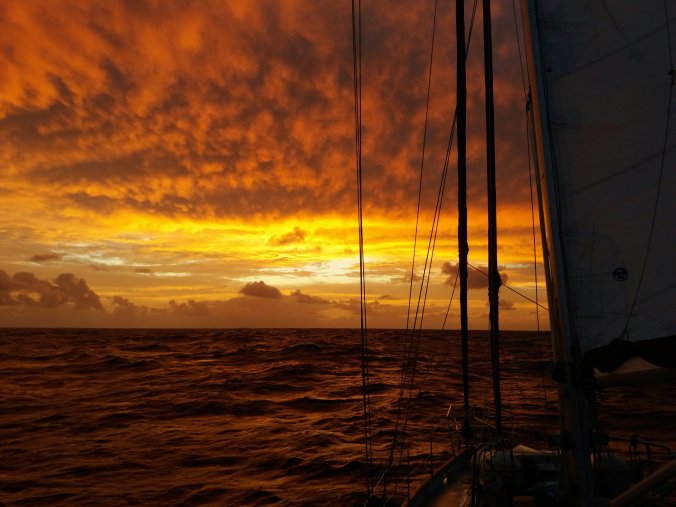
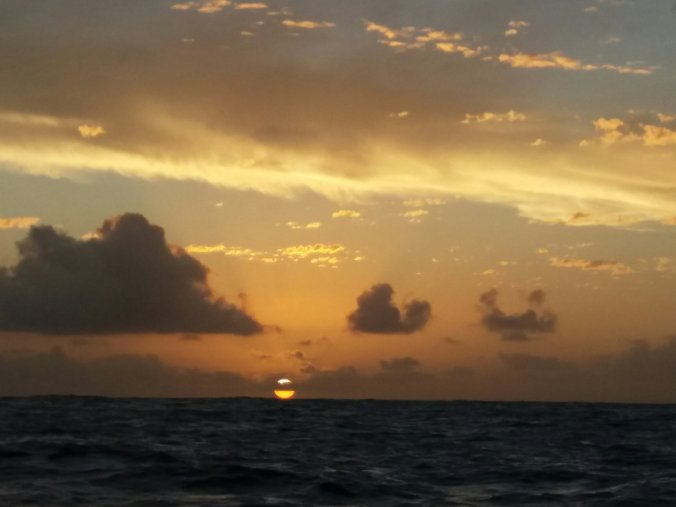
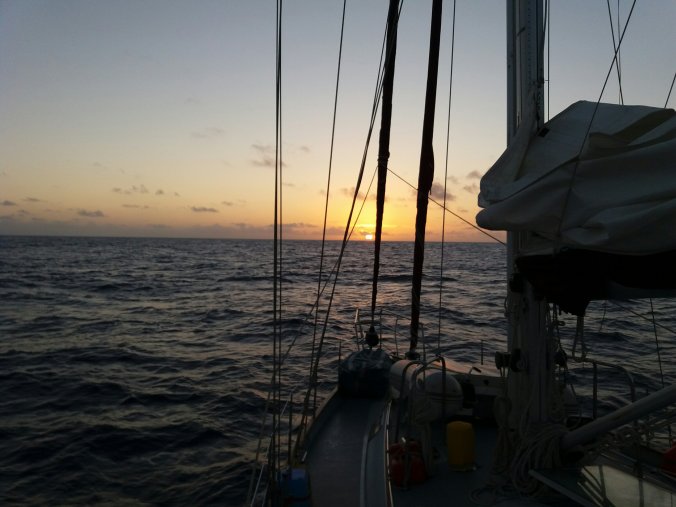
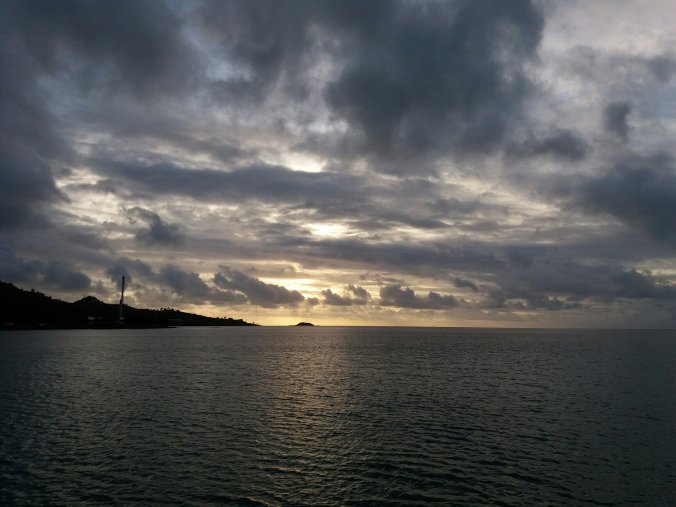
One of many stunning Indian Ocean sunsets.

Sometimes you are forced to watch the sunset with the engine on…

Rodrigues

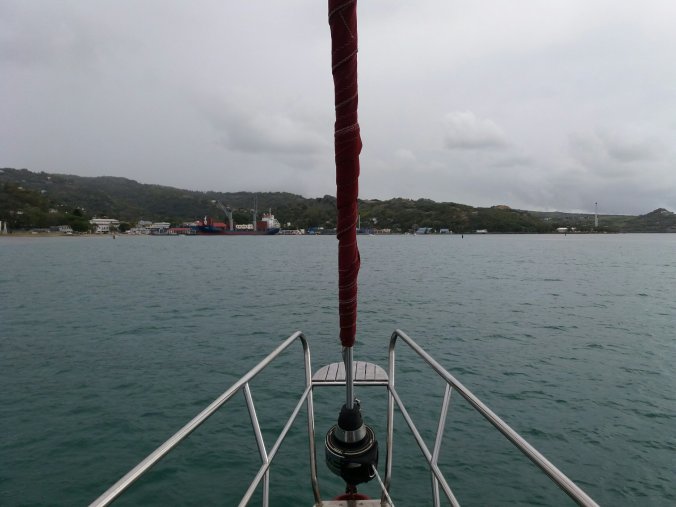
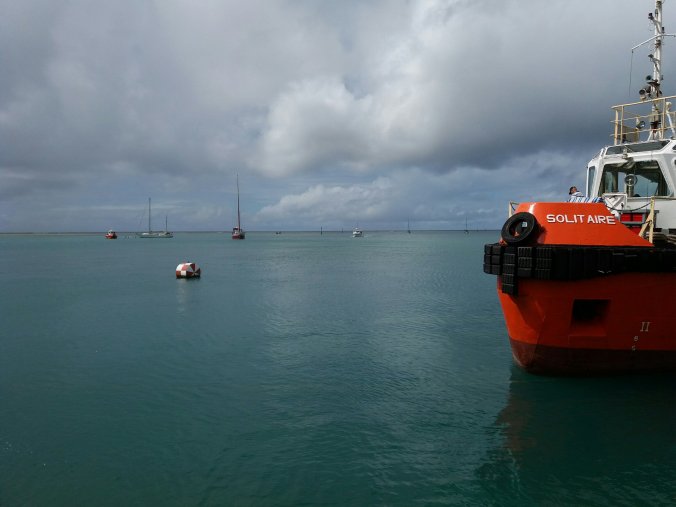
Coming into Port Mathurin

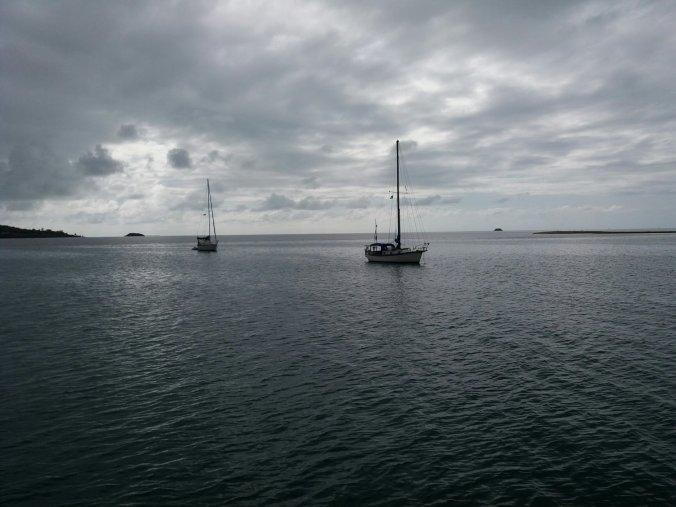
The anchorage

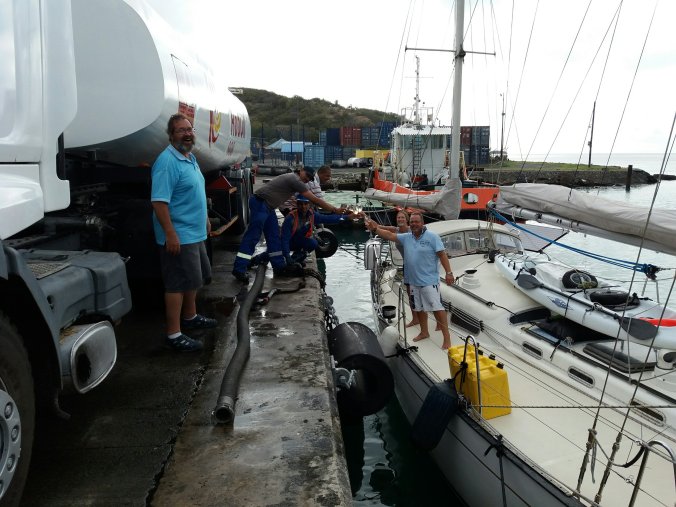
Refuelling with the utmost efficiency

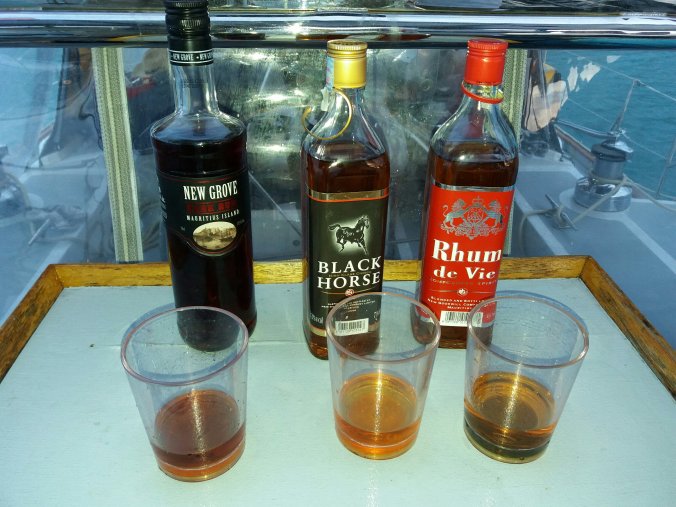
A little degustation before properly stocking up.

Rodrigues is a beautiful part of Mauritius, populated by genuinely hospitable people, which I strongly recommend to anyone wishing to escape to a paradise in middle of nowhere.