Down the corporate ladder and up the yard ladder

Three years ago I was on the beautiful island of Rote, Indonesia, with my mate Furlong, a.k.a. Sasha Mandinga, discussing with some Aussie surfers the feasibility of flying to Australia to learn how to sail and get jobs as deckhands. We had been enjoying touring across Indonesia on our motorbikes but realized that such an archipelago could only really be conquered by boat (if at all possible, considering its 17,000 or so islands).
IMG_0544.JPG

Not long thereafter, Furlong died and I was left to decide whether I should go back to the office life I had known for almost ten years and found unfulfilling or actually try to learn to sail and pursue the idea of cruising. Clarity (and courage) came during a Vipassana meditation retreat in Bali and, determined, I quickly found an opportunity to enslave myself at a sailing school in Phuket, Thailand. During my first year there I worked in exchange for experience and qualifications, became a yachting instructor and participated in a couple of regattas.

Picture from MBS / Cape Panwa Hotel Phuket Raceweek 2017

Tight rounding of the leward mark. Our team is flying the yellow spinnaker. Photo taken from SEA Yachting Magazine

Life in Phuket was awesome and the sailing, great, so I decided to stick around for another year, this time paid just enough to cover my rent, some beers and Thai lessons. Within that second year I was invited to help Captain Norm take his 49ft Bruce Roberts across the Indian Ocean, an experience that only confirmed I had been right in staying away from the suits and ties, for, as Yann Martel’s Piscine Molitor so rightly puts it, «I [had] nothing to say of my working life, except that a tie is a noose, and inverted though it is, it will hang a man nonetheless if he’s not careful.»
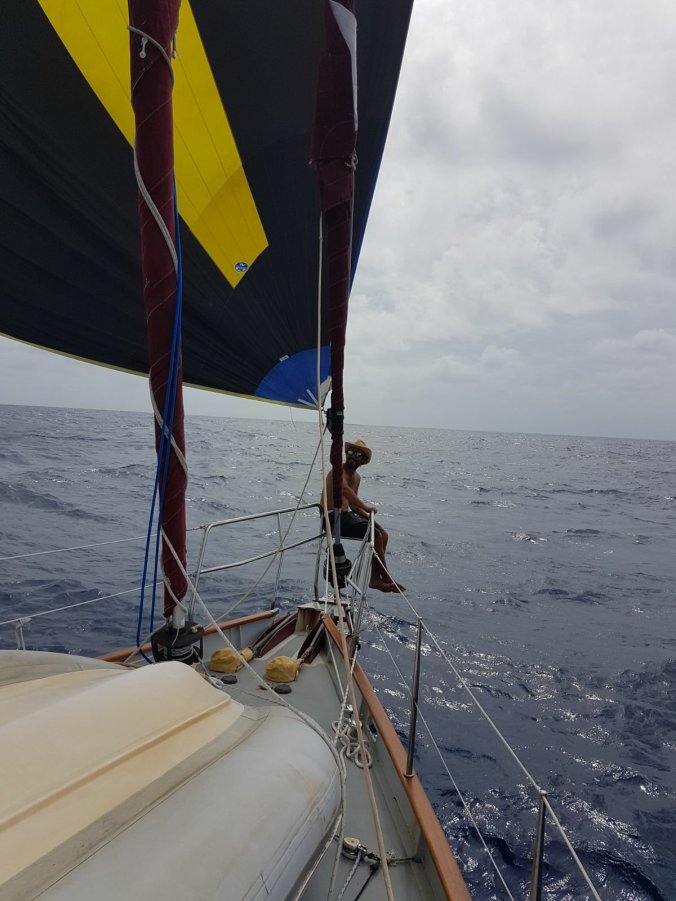
As I was reaching the end of my second year in Thailand I felt I was living the life of a retired expat, lacking in mental and physical challenges, spending too much time and money at the Ship Inn, the local pub, and decided to look for another crewing opportunity, hoping for a paid one. This time, Captain Craig distracted my search with a crazy proposal: to sail east from Sand Point, Alaska, along the Aleutian chain, in freezing temperatures and against the prevailing winds, to Russia’s westernmost frontier, Kamchatka, and then south following the Kurils, to Hokkaido, Japan.

I had already seen his plan on a crewing website and didn’t even consider it. There was a Hallberg Rassy making its way to Phuket which would then head to Sri Lanka, the Maldives, Chagos and around the Cape of Good Hope. It was not a paid gig, but the fact that I had all the appropriate clothing (shorts and flipflops) and that a 15-minute ride to the marina would lead me half way around the world had an enormous appeal. For the Bering Sea, on the other hand, I would be subject to constant shit weather, have to spend heaps on gear and flights and go through the hassle of applying for a Russian visa. Had it not been for Craig’s email, I’d be snorkeling in some tropical paradise right now.

But Craig planted a seed. He mentioned he was looking for someone who spoke Russian and was keen on climbing volcanoes, which was enough for me to give his plan a closer look. It took about a month for me to make up my mind. In the meantime, I quit my job, the Hallberg Rassy arrived in Phuket, I had some beers with her very friendly Danish skipper and was very tempted to leave for Sri Lanka. But the seed was sprouting. I believe what decided it was the advice of my friends Ana and Jose, regulars at the above-mentioned pub. They put it very simply: there will always be another opportunity to sail to Sri Lanka and so on, but maybe never another to explore the Aleutian Islands.

So I called the crazy Kiwi, told him I was in and asked him what gear I needed. Aside from the obvious, he suggested I get some snow shoes (which he had to explain are not the same as snow boots), a gas mask, an immersion suit, avalanche kit and a sleeping bag appropriate for freezing temperatures; suggestions which only confirmed how insane the plan was. I then spent over a month shopping, packing, processing my visa, studying the weather and currents and making my way to Sand Point. At the same, as if I could juggle more crazyness, my friend Daniel, one of the owners of the beautiful Casa Blat Ha in Holbox, called me to say he knew of a good, cheap yacht for sale that I should buy. And so I did.

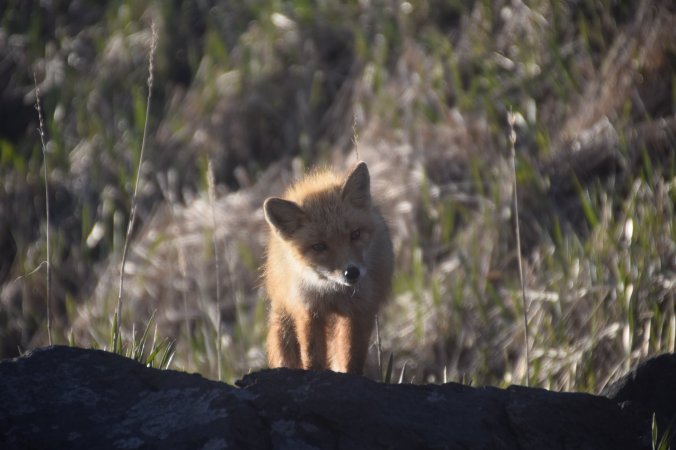
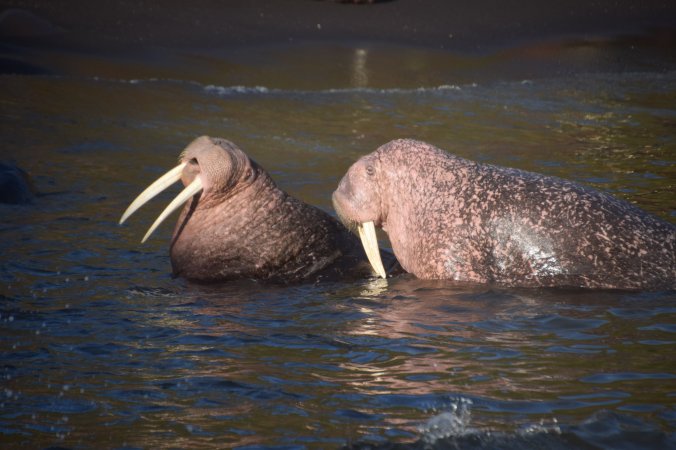
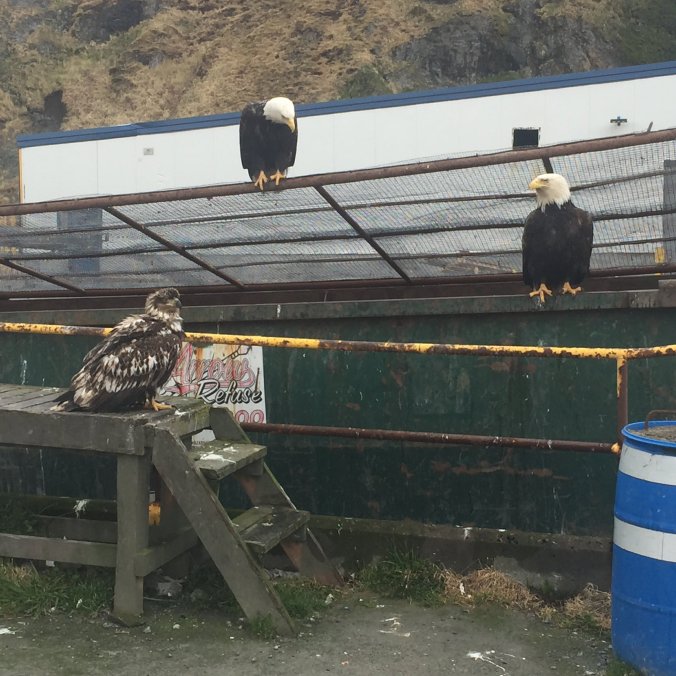
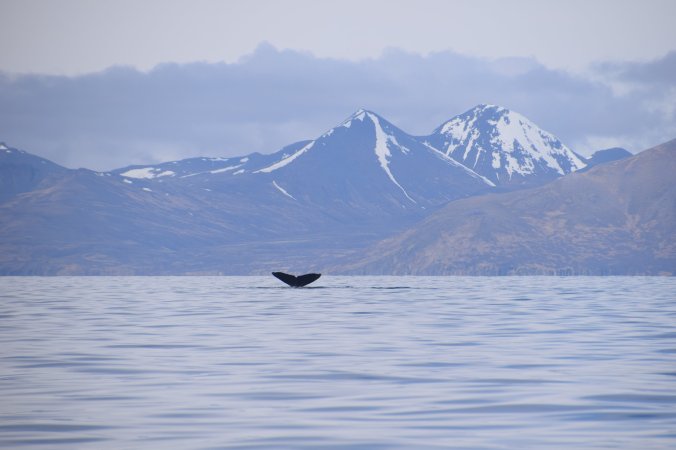
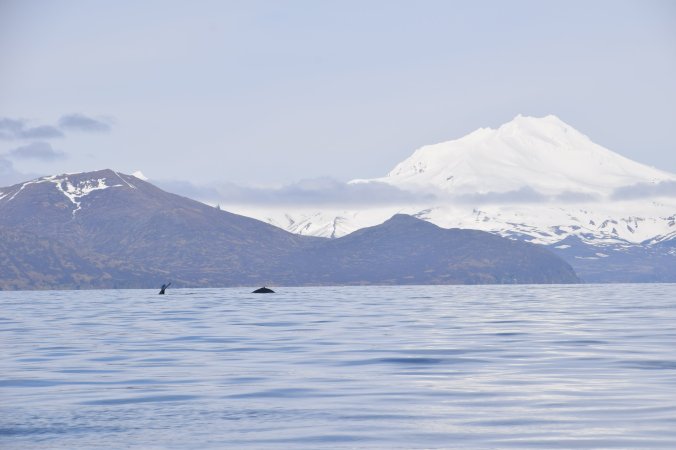
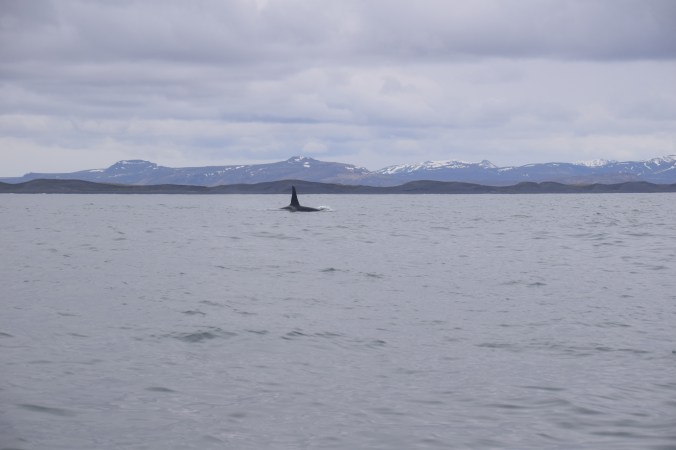
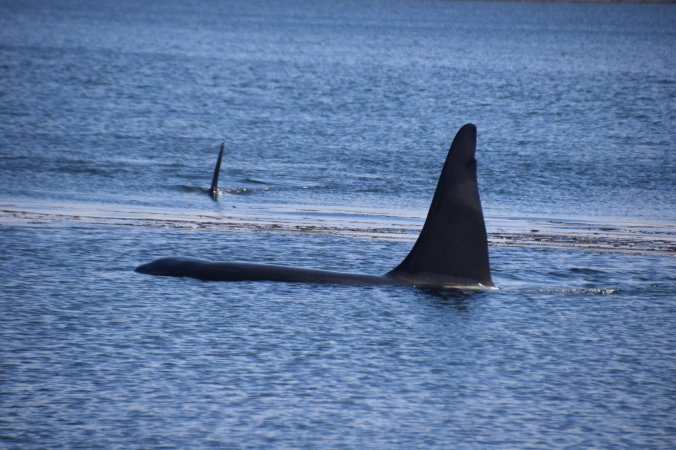
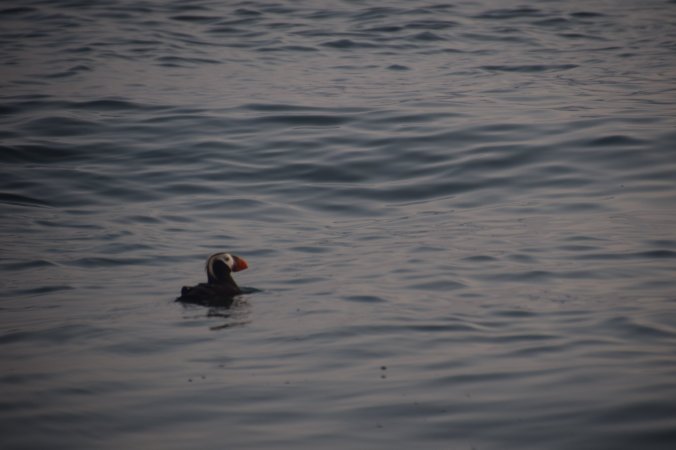
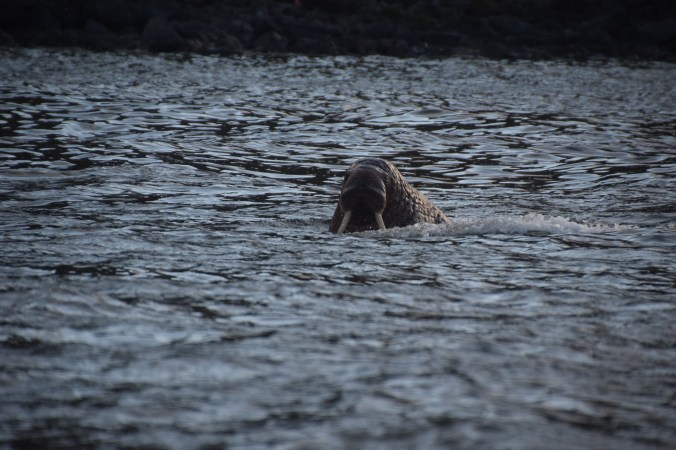
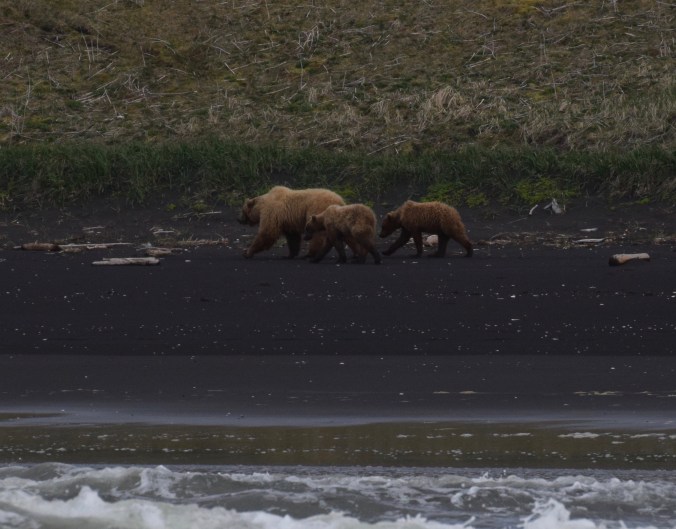
The journey from Alaska to Hokkaido proved indeed to be a once-in-a-lifetime experience, rich with adrenaline, challenges, surprises and lessons. In this blog I’ve shared some of these adrenaline-laden and challenging moments; I’ve written about the beautiful people we met every step of the way and have posted some crappy pictures of the amazing scenery and wildlife we were fortunate to encounter. Below are some taken by the more talented photographer, Craig, whose blog you can visit here.
DSC_0230

DSC_0229

DSC_0190

dsc_03311399432043.jpg

dsc_0279635571124.jpg

dsc_02971037936784.jpg

img_2136334130475.jpg

dsc_0402410870058.jpg

dsc_0407505710893.jpg

DSC_0333dsc_0758859373628.jpgdsc_0623522970454.jpg

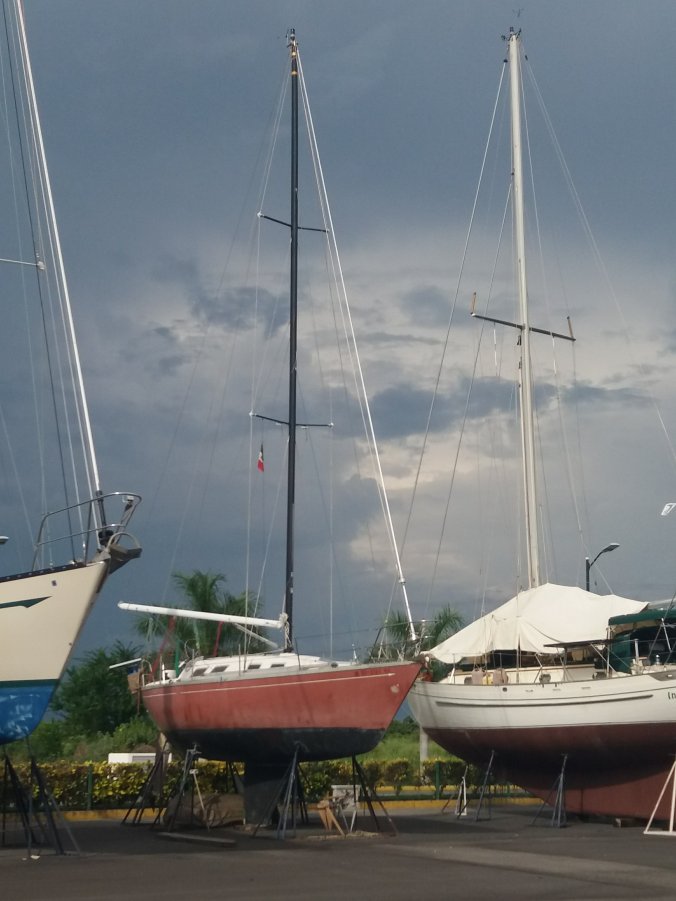
Concerning the lessons learned, Craig was a great Captain in that he delegated many maintenance tasks and repairs to me; lessons which now give me the confidence, if not necessarily the skills, to take on the challenge of restoring the S/V «Rossa», a 33ft Bayliner Buccaneer, to its former glory. Following three great weeks in Japan, I went back to Phuket, packed whatever stuff I had left and flew home to Mexico, where, after months of thinking about this 1979 fiberglass yacht, I finally found her in a boatyard in Puerto Chiapas, close to the border with Guatemala.
20180829_160315543917501.jpg

I’ve been here for almost two weeks, at first just staring at her, not knowing where to begin, then gradually tackling what I could manage, like organizing the tools left on board and buying what I felt was missing, then examining and mending her sails, and now I’ve moved on to what I am clueless about: plumbing and preparing the hull for a new paint job. Rossa’s previous owners were awesome in handling most of the woodwork the inside needs and still advise me when I get stuck. Youtube and Google haven’t been the great aids I had hope for, so I’m mostly learning from my mistakes, specially when fooling around with epoxy. Don’t expect the coming posts to teach how to restore your own boat.

Here’s a bit of what I’ve done so far:

Pantai Nemberala, Rote. La Carrera por las visas. Parte final

Hemos llegado a la meta de esta carrera, al pueblo de Nemberala en la isla de Rote; una desa de pescadores y surfers, con una sola calle y unas cuantas terracerías, quizás dos restaurantes y menos de una decena de hoteles. Llegar hasta acá implicó un esfuerzo enorme, tanto nuestro como de parte de Chinta Besar, Juanita Chantik, Rayo Athul y Peter, que ahora se recompensa con una semana en la playa para echar la hueva, leer, escribir, surfear, comer rico y ver el Sol, la Luna, Júpiter y Venus pasar sin preocupación alguna.

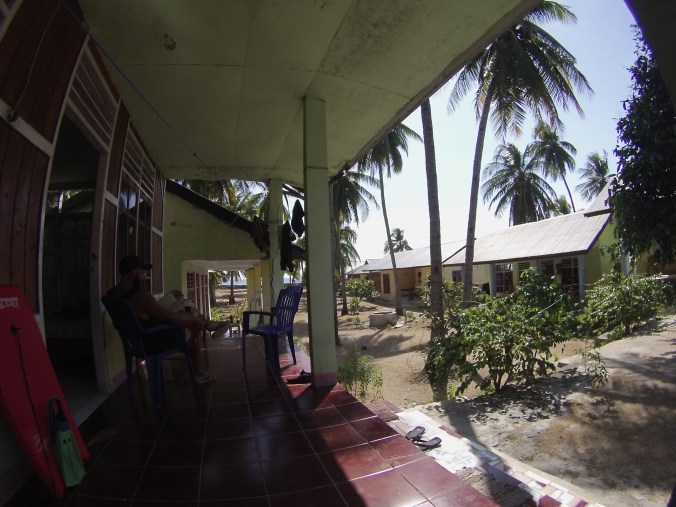
Nos estamos quedando en el Tirosa, un humilde hostal compuesto de una casa principal que otrora hubiera podido albergar la administración y cafetería de una típica escuela indonesia; un conjunto de pequeños edificios y cabañas de colores pastel, amarillo o verde, que hubieran podido ser los salones y un patio central para jugar fútbol o cotorrear a gusto, si no fuera por el riesgo de morir descalabrado por los cocos que caen constantemente. Las construcciones recuerdan aquellas de la costa norte de Yucatán, abandonadas al mar y salitre o destruidas por pasados huracanes. Nuestro cuarto se eleva un metro sobre el suelo y cuenta con una terraza lo suficientemente amplia para que quepa una mesita, un par de sillas y nos invite a pasar la mayor parte del día aquí, disfrutándolo. La habitación se mantiene siempre fresca, con ventanas sin vidrio ni mosquetero, invitando, a pesar de los colchones de espuma y almohadas robadas de algún antiguo sofá, los sueños más profundos y, de vez en vez, psicodélicos. Tenemos la suerte, a diferencia de nuestros vecinos, de contar con un escusado «occidental»; los baños son a jicarazos, y la electricidad sólo fluye de noche. El viento sopla constante todo el día, apaciguando los treinta y tantos grados habituales y manteniendo alejados a los moscos y moscas. A unos cincuenta metros de nuestra mesita el mar, de colores azul, verde y turquesa comparte el horizonte con una playa de harina blanca y lo único que se escucha es el baile de las palmeras, el cacareo de los gallos y alguna discusión entre las cabras que pasean libremente en busca de algún antojito.

Tirosa

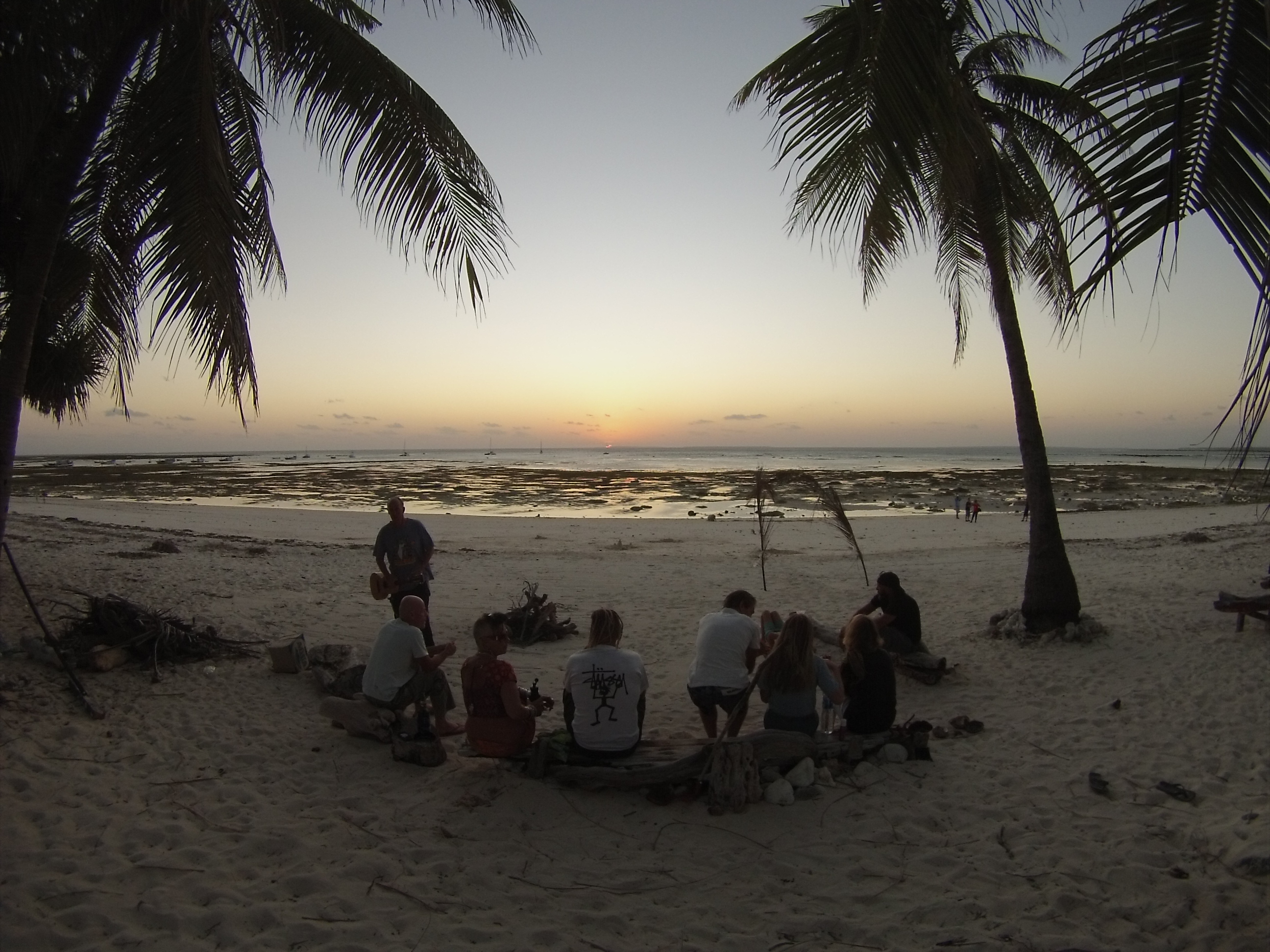
En esta isla hay dos rutinas posibles: la primera es la de Sacha, quien despierta todos los días entre las 5.30 y 6am para a ir a surfear, luego de uno o dos cafecitos y un par de cigarros; regresa a las 11.30, justo para echarse encima unos cubetazos de agua fresca sacados del poso ubicado al centro del patio y sentarse a la mesa gigante ubicada en el comedor comunal que invita a todos los huéspedes a comer lo que Martina y sus hijas, administradoras del lugar, hubiesen preparado, usualmente un guiso, sea de pescado o de pollo, acompañado de una ensalada siempre fresca, otro guiso de verduras y el siempre presente nasi putih (arroz blanco). Su almuerzo concluye con uno o dos cafecitos más alrededor de nuestra mesita, leyendo alguna novela, hablando de lo que tiene pensando escribir para el blog, seguido de una siesta de supuestamente 30 minutos, que normalmente se extiende por un par de horas. Cuando la siesta es breve, lee un poco más o se aventura a recoger madera para la fogata de la noche. Más o menos a las 3pm, después de otro cafecito y cigarrito, se va surfear hasta que el sol se pone, hora a la que vuelve, agotado pero feliz, para convivir alrededor de la recién encendida hoguera.

La segunda rutina posible es la de Andrei, mucho menos compleja: se despierta entre las 6 y 10am, dependiendo de que tan temprano se haya dormido, de que tan fuerte hubiesen bienvenido la aurora los gallos o de si algún vecino impertinente está conversando en o cerca de su terraza. Desayuna el pancake o panesito que toque, un café, a veces dos, y se pone a leer o a escribir. A eso de las 11am se echa una nadadita, sus cubetazos de agua fresca y, con cierta angustia, debido a su falta de hambre, se reinstala en la mesita a esperar el llamado de «¡makan!»  que invita a todos los huéspedes a dirigirse voluntariamente a la mesa principal, so riesgo de ser llevados de la oreja por Martina. Al terminar, con un copi en mano, vuelve a la terraza y se dispone a seguir leyendo o a escribir un poco más, si es que aún no se ha acabado la pila de su laptop, ya que solo hay electricidad por la noche. Intercala estas actividades conversando con los vecinos, yendo a nadar, a recoger leña o simplemente echándose unos refrescantes cubetazos (él únicamente surfeó el día de su cumpleaños, y eso porque una güerota australiana le insistió, procuró una longboard perfecta y llevó de la mano a marea alta, para que no le diera tanto miedo el filo del arrecife).

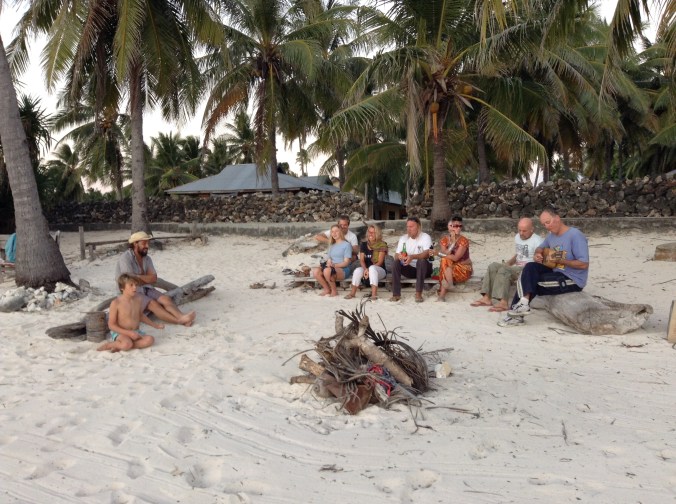
A las 6.30 pm se vuelve a escuchar el grito «¡makan!» y todos, sin importar lo colorido del atardecer o lo agradable que esté la fogata, nos volvemos a juntar en la mesa principal del Tirosa para la última comida del día. Las cenas son igual de buenas que las comidas y siempre les sigue un rato de sobre mesa y uno que otro café, tras lo cual regresamos a la fogata; los aussies con sus Bintang besar (chelotas de marca Bintang) y nosotros simplemente a jugar con el fuego y platicar. La mayoría de los huéspedes se duerme entre las 8 y las 9pm pero nosotros, con alguno que otro que no sea surfista intenso, aguantamos hasta las 11pm, hora en la que nos metemos a dormir, protegidos de los bichos de la noche, dengue y malaria por unas redes que engloban las camas en nuestro cuarto.

Es el contexto perfecto para recuperarnos de las cien horas que pasamos sobre las motos para recorrer los casi cuatro mil kilómetros que implicó la carrera de Bali a Dili con el fin de extender nuestras visas indonesias -que aún nos faltan muchas islas por recorrer- y, de paso, tratar de ponernos al día en la narración de nuestro viaje antes de que retomemos el camino y volvamos a carecer de tiempo y energía.